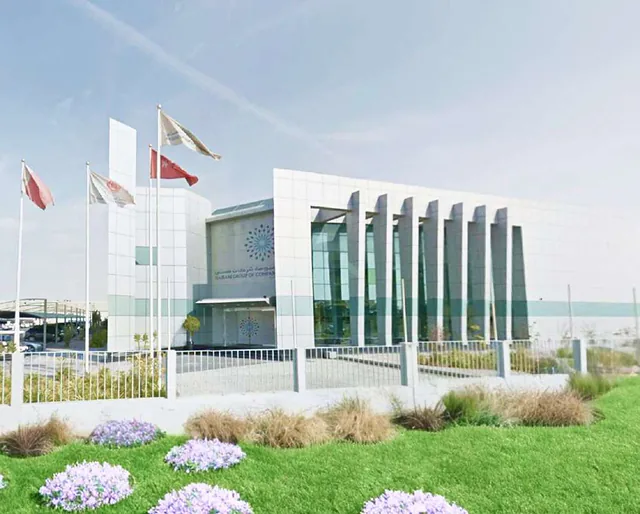
BMS & controls in Dubai: local context
Dubai's building stock runs from the 1970s–90s low- and mid-rise blocks of Deira and Bur Dubai to the master-planned tower districts of Business Bay, Dubai Marina and JLT, with villa communities, logistics parks and free zones filling the corridor towards Jebel Ali and Dubai South. Almost every typology is built here at once: residential towers, hotels, clinics, schools, factories, cold stores and staff accommodation. What sets MEP apart in Dubai is the number of approval channels that sit side by side (Dubai Municipality, Trakhees, free-zone authorities and master developers) and the density of district cooling in the newer districts. Manolia has been headquartered here since 2001, so Dubai is where most of its track record sits.
MEP approvals typically start with the master developer or free-zone NOC where one applies, followed by building permit drawings through Dubai Municipality or the relevant zone authority (Trakhees, DDA, DMCC, DSOA, Dubai South). Fire and life safety drawings go to Dubai Civil Defence for approval and later inspection, while DEWA handles load approval, connection and metering; district cooling connections, where available, are agreed separately with the provider. The exact sequence varies by plot and authority, so it is confirmed per project.
- Fire and life safety work follows the UAE Fire & Life Safety Code under Dubai Civil Defence, with approved-material listings, staged drawing approvals and witnessed testing of sprinklers, fire alarm, smoke management and stair pressurisation before completion certificates.
- Being Dubai-based, Manolia can move labour, materials and testing teams to any site in the emirate within the working day, which matters during tower commissioning and occupied-building works where shutdown windows are short.
Building types we serve in Dubai
For office buildings, the work concentrates on VAV or FCU zoning for flexible floor plates, tenant fit-out interfaces, energy metering and BMS integration.
For palaces and private estates, the work concentrates on discreet high-capacity plant, multi-zone comfort, staff and service blocks, pools and long-term maintenance by an accountable team.
District cooling in Dubai is supplied by providers such as Empower and Emicool, so many projects connect through an energy transfer station rather than building a chiller plant.
Approvals and authorities in Dubai
BMS installation in Dubai sits within Dubai's regulatory framework. The authorities you will meet are:
- Dubai Municipality (DM)
- Dubai Civil Defence (DCD)
- Dubai Electricity & Water Authority (DEWA)
- Al Sa'fat — Dubai Green Building Evaluation System (Al Sa'fat)
- ASHRAE standards (62.1, 90.1) (ASHRAE)
Scope of work
- Points schedule development listing every sensor, actuator, alarm and meter to be monitored or controlled.
- Control cabling and network infrastructure, segregated from power cables and labelled for maintenance.
- Control sequences for chiller staging, pump speed, AHU temperature and fresh-air control written and tested.
- Commissioning and operator training with a sequence-of-operations document for future reference.
- Integration with district cooling ETS valves and meters, so return temperature and consumption can be trended against the provider's bills.
Systems we install
- Energy meters for electricity, chilled water and water
- Motorised valve and damper actuators
- Network switches and secure remote access gateways
UAE site and climate challenges
- Fresh-air humidity varies greatly across a UAE day, so humidity sensors and control sequences adjust fresh-air treatment and coil temperatures to prevent condensation, mould risk and comfort complaints in occupied spaces.
- In hot months, chiller plant often runs at full load all day; BMS trends of condenser approach and chiller current help operators spot fouled coils or failing fans early, before trips occur on the hottest afternoons.
Decisions to make early
- Depth of integration, from basic plant monitoring to full control of fan coils, lighting and metering, with each level adding points, cost and commissioning time.
- Cloud or remote access, which offers convenience for off-site support and alarm notifications but requires network security measures, password management and agreed access rules with IT.
Relevant Manolia projects
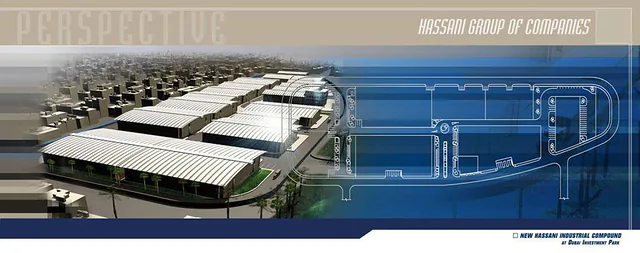
Hassani Group factories & HQ, DIP
Dubai Investments Park (DIP) · MEP · Completed
Factory complex, HQ and staff accommodation, all served from one central cooling station.
2B+G+15 residential tower, IMPZ
Dubai Production City (formerly IMPZ) · MEP · Completed
Full MEP package for a two-basement residential tower with gym.
2B+G+11 building, Al Nahda Dubai
Al Nahda (Dubai) · MEP · Completed
Complete MEP works for a residential building with basements and gym.
Multi-storey parking & retail centre, DSO
Dubai Silicon Oasis (DSO) · MEP · In progress
G+3 parking and retail centre — MEP works in progress.
Frequently asked questions
Which authorities approve BMS installation in Dubai?
Approvals in Dubai typically involve Dubai Municipality, Dubai Civil Defence, Dubai Electricity & Water Authority and Al Sa'fat — Dubai Green Building Evaluation System. Exact routes depend on the plot, the master developer and whether the site sits in a free zone, so we confirm the authority matrix during mobilisation and prepare submissions accordingly.
What buildings need BMS installation in Dubai?
In Dubai, demand mostly comes from office buildings and palaces and private estates. Each type changes system selection, approvals and programme, which is why we review the building use before pricing.
Is district cooling available in Dubai?
District cooling is common in Dubai, with Empower and Emicool among the providers. Connection terms, energy-transfer-station design and capacity are agreed per plot with the provider, so the HVAC design should confirm availability before choosing between a connection and a dedicated chiller plant.
What similar work has Manolia completed near Dubai?
Relevant reference work includes Hassani Group factories & HQ, DIP (MEP, completed), 2B+G+15 residential tower, IMPZ (MEP, completed) and 2B+G+11 building, Al Nahda Dubai (MEP, completed). Each reference is listed with its scope and status as recorded in our company profile.
What does a BMS control in a typical UAE building?
A BMS typically controls chillers or the district cooling transfer station, chilled-water pumps, AHUs, fan coil zones, car park and toilet extract fans, and sometimes lighting and energy meters. It monitors faults such as pump trips, high plant-room temperature or tank low level. Life safety functions stay under the fire alarm system, with the BMS showing status but not overriding fire control.
How does a BMS reduce energy use in UAE buildings?
Savings come from scheduling plant to occupancy, resetting chilled-water and supply air setpoints, controlling fresh air by CO2 and identifying faults such as valves stuck open or simultaneous heating and cooling. The real benefit depends on operators using trends and alarms, so training and clear graphics are part of Manolia's handover.