BMS & controls in Ras Al Khaimah: local context
Ras Al Khaimah stretches from coastal resorts and island developments such as Al Marjan and Al Hamra to the older city on the creek and industrial zones near the Hajar foothills. Its building stock is mostly low- and mid-rise, villas, hotels and industrial facilities, with tourism projects growing quickly along the coast. MEP work here balances resort-grade comfort and hot-water systems against coastal corrosion and the logistics of working an hour from Dubai. Manolia has completed air-conditioning work on villas in the emirate.
MEP designs typically go through the Ras Al Khaimah Municipality as part of the building permit, often after a master developer NOC for resort and island plots. Civil Defence (Ministry of Interior) approves fire and life safety drawings and inspects completed systems, and Etihad WE approves electrical load and connections. Free zones and master communities may add their own steps, so the route is confirmed per plot.
- Beach and island hotels face constant salt spray and humidity, so material choices for chillers, cooling towers, pipe supports and outdoor units need marine-grade protection, and fresh air must be dehumidified to avoid mould in guest rooms.
- At around one hour from Dubai on the Emirates Road, larger projects benefit from a resident site team and a local store rather than daily runs from head office.
Building types we serve in Ras Al Khaimah
For hotels and serviced apartments, the work concentrates on quiet guestroom fan coils, kitchen and laundry extract, hot-water generation at scale, BMS supervision and phased handover to the operator.
For malls and retail centres, the work concentrates on large-volume air handling, tenant-ready chilled water or refrigerant capacity, smoke extraction for atriums and car parks and food-court exhaust.
Approvals and authorities in Ras Al Khaimah
BMS installation in Ras Al Khaimah sits within Ras Al Khaimah's regulatory framework. The authorities you will meet are:
- Ras Al Khaimah Municipality (RAK Municipality)
- UAE Civil Defence (Ministry of Interior) (Civil Defence)
- Etihad Water & Electricity (formerly FEWA) (Etihad WE)
- ASHRAE standards (62.1, 90.1) (ASHRAE)
Scope of work
- Installation of DDC controllers, field sensors, valve actuators and damper actuators across plant rooms and floors.
- Control cabling and network infrastructure, segregated from power cables and labelled for maintenance.
- Integration of third-party systems such as chillers, VRF, meters and fire alarm status through open protocols.
- Graphics and alarm setup so operators can see plant status, trends and faults clearly.
- Integration with district cooling ETS valves and meters, so return temperature and consumption can be trended against the provider's bills.
Systems we install
- DDC controllers for plant and floor equipment
- BACnet and Modbus integration with chillers and meters
- Energy meters for electricity, chilled water and water
UAE site and climate challenges
- Very high summer cooling loads make energy monitoring valuable, so meters on chillers, pumps and major AHUs allow efficiency to be tracked month by month.
- In hot months, chiller plant often runs at full load all day; BMS trends of condenser approach and chiller current help operators spot fouled coils or failing fans early, before trips occur on the hottest afternoons.
Decisions to make early
- Level of metering, which supports green building requirements, tenant billing and energy reporting but adds meters, wiring, data storage and the effort of reviewing the numbers.
- Wireless versus wired room sensors in renovations, where wireless avoids opening finished ceilings and walls but needs battery replacement and signal checks.
Relevant Manolia projects
AUS main & language buildings HVAC/BMS
University City (Sharjah) · HVAC & BMS · Completed
Design & build of HVAC and BMS renovation.
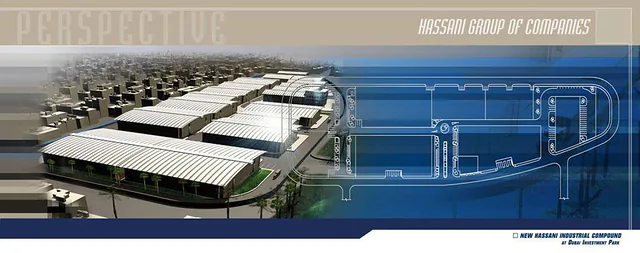
Hassani Group factories & HQ, DIP
Dubai Investments Park (DIP) · MEP · Completed
Factory complex, HQ and staff accommodation, all served from one central cooling station.
Frequently asked questions
Which authorities approve BMS installation in Ras Al Khaimah?
Approvals in Ras Al Khaimah typically involve Ras Al Khaimah Municipality, UAE Civil Defence (Ministry of Interior), Etihad Water & Electricity (formerly FEWA) and ASHRAE standards (62.1, 90.1). Exact routes depend on the plot, the master developer and whether the site sits in a free zone, so we confirm the authority matrix during mobilisation and prepare submissions accordingly.
What buildings need BMS installation in Ras Al Khaimah?
In Ras Al Khaimah, demand mostly comes from hotels and serviced apartments and malls and retail centres. Each type changes system selection, approvals and programme, which is why we review the building use before pricing.
Does Manolia work in Ras Al Khaimah?
Yes. Ras Al Khaimah is in Ras Al Khaimah, around 1 hour by the Emirates Road / E311 from Dubai. Site teams are mobilised from our Dubai headquarters with supervision, QA/QC and HSE staff assigned to each project.
What does a BMS control in a typical UAE building?
A BMS typically controls chillers or the district cooling transfer station, chilled-water pumps, AHUs, fan coil zones, car park and toilet extract fans, and sometimes lighting and energy meters. It monitors faults such as pump trips, high plant-room temperature or tank low level. Life safety functions stay under the fire alarm system, with the BMS showing status but not overriding fire control.
How does a BMS reduce energy use in UAE buildings?
Savings come from scheduling plant to occupancy, resetting chilled-water and supply air setpoints, controlling fresh air by CO2 and identifying faults such as valves stuck open or simultaneous heating and cooling. The real benefit depends on operators using trends and alarms, so training and clear graphics are part of Manolia's handover.