VRF / VRV systems in Ras Al Khaimah: local context
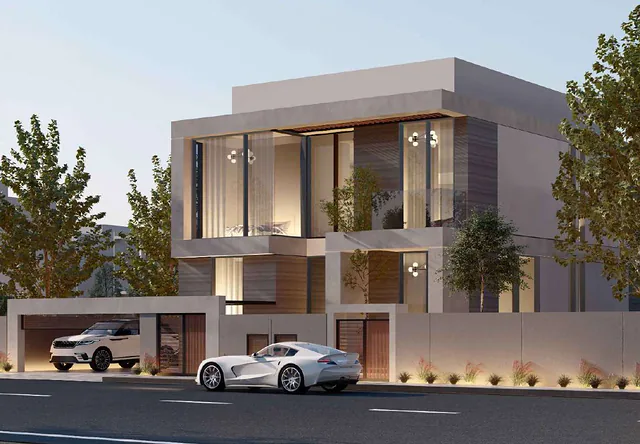
Ras Al Khaimah stretches from coastal resorts and island developments such as Al Marjan and Al Hamra to the older city on the creek and industrial zones near the Hajar foothills. Its building stock is mostly low- and mid-rise, villas, hotels and industrial facilities, with tourism projects growing quickly along the coast. MEP work here balances resort-grade comfort and hot-water systems against coastal corrosion and the logistics of working an hour from Dubai. Manolia has completed air-conditioning work on villas in the emirate.
MEP designs typically go through the Ras Al Khaimah Municipality as part of the building permit, often after a master developer NOC for resort and island plots. Civil Defence (Ministry of Interior) approves fire and life safety drawings and inspects completed systems, and Etihad WE approves electrical load and connections. Free zones and master communities may add their own steps, so the route is confirmed per plot.
- Fire and life safety approvals and inspections are handled by Civil Defence under the Ministry of Interior, applying the UAE Fire & Life Safety Code to hotels, villas and industrial buildings alike.
- Beach and island hotels face constant salt spray and humidity, so material choices for chillers, cooling towers, pipe supports and outdoor units need marine-grade protection, and fresh air must be dehumidified to avoid mould in guest rooms.
Building types we serve in Ras Al Khaimah
For mid-rise residential and mixed-use buildings, the work concentrates on compact plant on the roof, car-park ventilation in podiums, metered apartment DBs and tight ceiling voids that make coordination drawings decisive.
For malls and retail centres, the work concentrates on large-volume air handling, tenant-ready chilled water or refrigerant capacity, smoke extraction for atriums and car parks and food-court exhaust.
Approvals and authorities in Ras Al Khaimah
VRF systems in Ras Al Khaimah sits within Ras Al Khaimah's regulatory framework. The authorities you will meet are:
- Ras Al Khaimah Municipality (RAK Municipality)
- UAE Civil Defence (Ministry of Interior) (Civil Defence)
- Etihad Water & Electricity (formerly FEWA) (Etihad WE)
- ASHRAE standards (62.1, 90.1) (ASHRAE)
Scope of work
- Load and diversity review to size outdoor units realistically, avoiding both undersizing in summer and oversized systems that short-cycle.
- Refrigerant pipe routing with branch joints and headers, respecting manufacturer limits on total length, height difference and indoor-outdoor separation.
- Brazing under nitrogen purge to prevent internal oxidation, followed by pressure testing and deep vacuum before charging.
- Installation of ducted, cassette and wall-mounted indoor units with condensate pumps or gravity drainage and insulated branches.
- Refrigerant charge calculation and recording, followed by manufacturer commissioning and test run of every indoor unit.
Systems we install
- Heat pump and heat recovery VRF outdoor units
- Dedicated outdoor air units for fresh-air treatment
- Refrigerant leak detectors in small occupied rooms where charge limits require
UAE site and climate challenges
- Units on coastal villas in Palm Jumeirah or Sharjah seafront face salt corrosion, so anti-corrosion coil coatings and stainless fixings are specified for outdoor units.
- Fine dust settles on outdoor coils within weeks during construction or sandstorms, so access for coil washing is planned and units are protected until handover.
Decisions to make early
- Ducted versus exposed indoor units, balancing a clean appearance and quieter operation against required ceiling depth, condensate routing and access for filter cleaning and maintenance.
- Manufacturer and local service support, since VRF control boards and refrigerant components are proprietary and the availability of trained technicians and spares in the UAE affects downtime more than equipment specification.
Relevant Manolia projects
Two deluxe villas, Ras Al Khaimah
Ras Al Khaimah · A/C · Completed
Air-conditioning works for two private villas.
AUS main & language buildings HVAC/BMS
University City (Sharjah) · HVAC & BMS · Completed
Design & build of HVAC and BMS renovation.
Frequently asked questions
Which authorities approve VRF systems in Ras Al Khaimah?
Approvals in Ras Al Khaimah typically involve Ras Al Khaimah Municipality, UAE Civil Defence (Ministry of Interior), Etihad Water & Electricity (formerly FEWA) and ASHRAE standards (62.1, 90.1). Exact routes depend on the plot, the master developer and whether the site sits in a free zone, so we confirm the authority matrix during mobilisation and prepare submissions accordingly.
What buildings need VRF systems in Ras Al Khaimah?
In Ras Al Khaimah, demand mostly comes from mid-rise residential and mixed-use buildings and malls and retail centres. Each type changes system selection, approvals and programme, which is why we review the building use before pricing.
Does Manolia work in Ras Al Khaimah?
Yes. Ras Al Khaimah is in Ras Al Khaimah, around 1 hour by the Emirates Road / E311 from Dubai. Site teams are mobilised from our Dubai headquarters with supervision, QA/QC and HSE staff assigned to each project.
What similar work has Manolia completed near Ras Al Khaimah?
Relevant reference work includes Two deluxe villas, Ras Al Khaimah (A/C, completed) and AUS main & language buildings HVAC/BMS (HVAC & BMS, completed). Each reference is listed with its scope and status as recorded in our company profile.
Why does VRF pipework quality matter so much?
VRF systems carry refrigerant over long distances under pressure. Poor brazing, missing nitrogen purge or inadequate vacuum leads to leaks, contamination and compressor failure. Manolia brazes under nitrogen, pressure tests, evacuates to deep vacuum and records the final charge before commissioning. Every step is recorded for the manufacturer warranty.
Can VRF serve a multi-storey building?
Yes, within manufacturer limits on height difference and pipe length. Mid-rise offices, hotels and residential buildings commonly use VRF with outdoor units on the roof or on each floor. For tall towers, limits on refrigerant runs and charge usually make chilled water more appropriate.