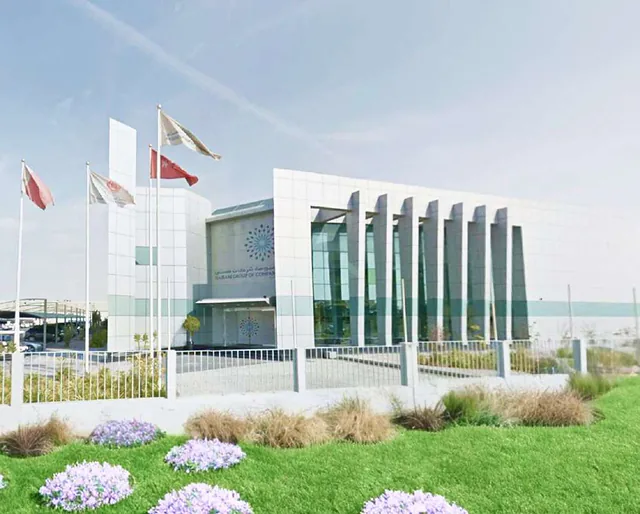
Scope of work
- Points schedule development listing every sensor, actuator, alarm and meter to be monitored or controlled.
- Installation of DDC controllers, field sensors, valve actuators and damper actuators across plant rooms and floors.
- Control cabling and network infrastructure, segregated from power cables and labelled for maintenance.
- Integration of third-party systems such as chillers, VRF, meters and fire alarm status through open protocols.
- Control sequences for chiller staging, pump speed, AHU temperature and fresh-air control written and tested.
- Graphics and alarm setup so operators can see plant status, trends and faults clearly.
- Commissioning and operator training with a sequence-of-operations document for future reference.
- Integration with district cooling ETS valves and meters, so return temperature and consumption can be trended against the provider's bills.
Systems we install
- DDC controllers for plant and floor equipment
- Temperature, humidity, CO2 and pressure sensors
- BACnet and Modbus integration with chillers and meters
- Operator workstations and web-based graphics
- Energy meters for electricity, chilled water and water
- Motorised valve and damper actuators
- Network switches and secure remote access gateways
Codes, standards and approvals
- Open communication protocols such as BACnet and Modbus, commonly specified by UAE consultants.
- Al Sa'fat in Dubai and Estidama Pearl in Abu Dhabi requirements for metering and energy monitoring.
- ASHRAE 90.1 control requirements commonly referenced for HVAC energy performance.
- UAE Fire & Life Safety Code, which keeps life safety control with the fire alarm while allowing BMS monitoring.
- Utility smart metering expectations, such as DEWA and ADDC/AADC metering arrangements, where BMS meters are read alongside utility meters.
- Consultant specifications that typically require point-to-point testing witnessed by the engineer before the BMS is accepted, along with documented trend logs during commissioning.
- ASHRAE standards (62.1, 90.1) (ASHRAE) — ventilation-rate and energy-efficiency basis referenced by UAE regulations
UAE site and climate challenges
- Fresh-air humidity varies greatly across a UAE day, so humidity sensors and control sequences adjust fresh-air treatment and coil temperatures to prevent condensation, mould risk and comfort complaints in occupied spaces.
- Plant on roofs operates under severe heat, so BMS alarms monitor high condenser pressure, chiller trips and pump failures to alert operators before an outage affects the building.
- Sensors in dusty plant rooms and fresh-air ducts drift faster than in cleaner climates, so calibration checks and replacement intervals are included in the maintenance schedule.
- Very high summer cooling loads make energy monitoring valuable, so meters on chillers, pumps and major AHUs allow efficiency to be tracked month by month.
- In hot months, chiller plant often runs at full load all day; BMS trends of condenser approach and chiller current help operators spot fouled coils or failing fans early, before trips occur on the hottest afternoons.
Decisions to make early
- Open protocol versus proprietary systems: open protocols such as BACnet give flexibility in choosing future maintenance providers, while proprietary systems can be simpler to buy but lock the owner in.
- Depth of integration, from basic plant monitoring to full control of fan coils, lighting and metering, with each level adding points, cost and commissioning time.
- Level of metering, which supports green building requirements, tenant billing and energy reporting but adds meters, wiring, data storage and the effort of reviewing the numbers.
- Cloud or remote access, which offers convenience for off-site support and alarm notifications but requires network security measures, password management and agreed access rules with IT.
- Wireless versus wired room sensors in renovations, where wireless avoids opening finished ceilings and walls but needs battery replacement and signal checks.
What you receive at handover
- Approved points schedule and control drawings
- Point-to-point test records
- Sequence of operations document
- BMS graphics and alarm list
- Operator training and user manual
- Network architecture and IP address register
How we deliver: 8 stages
- 01Appointment & review
- 02Mobilisation & approvals
- 03Planning
- 04Engineering & shop drawings
- 05Procurement & execution
- 06Monitoring & reporting
- 07Quality inspection
- 08Testing, commissioning & handover
Why clients appoint Manolia
Manolia Group has delivered MEP and building contracts in the UAE since 2001: more than 100 projects and over AED 1.1 billion of completed work, including towers above 50 floors. Delivery follows an 8-stage process under a QMS structured to ISO 9001 requirements, with HSE controls and in-house engineering for shop drawings, coordination and commissioning.
Relevant Manolia projects
AUS main & language buildings HVAC/BMS
University City (Sharjah) · HVAC & BMS · Completed
Design & build of HVAC and BMS renovation.
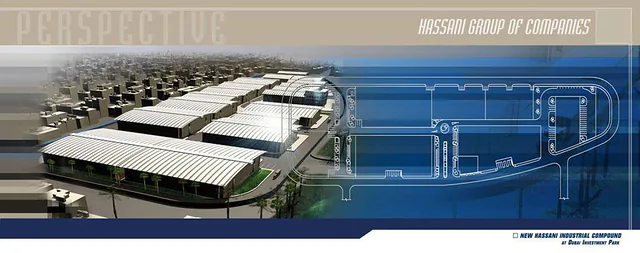
Hassani Group factories & HQ, DIP
Dubai Investments Park (DIP) · MEP · Completed
Factory complex, HQ and staff accommodation, all served from one central cooling station.
Frequently asked questions
What does a BMS control in a typical UAE building?
A BMS typically controls chillers or the district cooling transfer station, chilled-water pumps, AHUs, fan coil zones, car park and toilet extract fans, and sometimes lighting and energy meters. It monitors faults such as pump trips, high plant-room temperature or tank low level. Life safety functions stay under the fire alarm system, with the BMS showing status but not overriding fire control.
Has Manolia delivered BMS projects?
Yes. Manolia carried out HVAC and BMS design and build for the main and language buildings at the American University of Sharjah as part of a renovation of occupied academic buildings. Manolia also integrates controls on central chiller plant packages, where chiller staging, pump speed and alarms are brought onto the BMS.
Can an older BMS be upgraded without replacing everything?
Often yes. Field devices such as sensors, valves and actuators may still be serviceable, while outdated controllers, software and workstations are replaced or bridged with gateways. Manolia surveys the existing points, checks which devices can be reused, and proposes a phased upgrade so plant remains controllable during the changeover.
Why is a sequence of operations document important?
The sequence of operations explains how each system should behave, for example when a second chiller starts, how fresh air reduces at low occupancy, or what happens after a power failure. Without it, operators and future contractors cannot diagnose odd behaviour. Manolia delivers it with the as-built points list and graphics at handover.
How does a BMS reduce energy use in UAE buildings?
Savings come from scheduling plant to occupancy, resetting chilled-water and supply air setpoints, controlling fresh air by CO2 and identifying faults such as valves stuck open or simultaneous heating and cooling. The real benefit depends on operators using trends and alarms, so training and clear graphics are part of Manolia's handover.