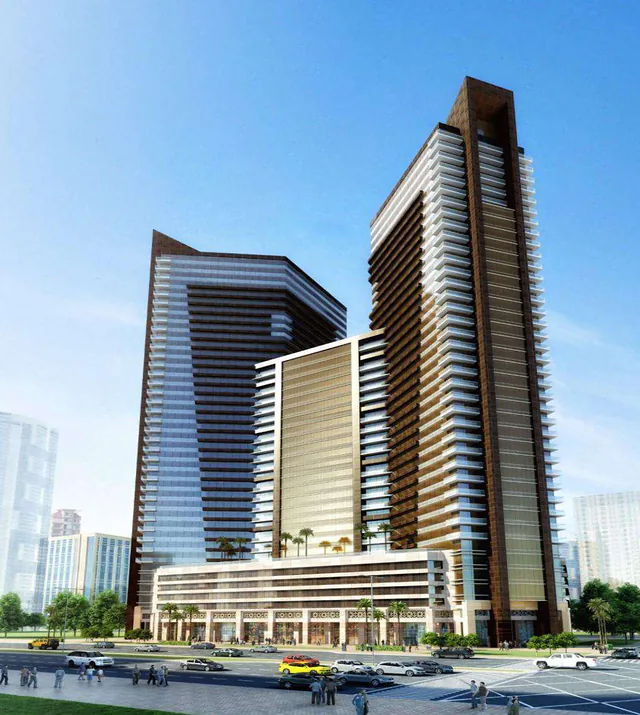
Ventilation & smoke extraction in Dubai: local context
Dubai's building stock runs from the 1970s–90s low- and mid-rise blocks of Deira and Bur Dubai to the master-planned tower districts of Business Bay, Dubai Marina and JLT, with villa communities, logistics parks and free zones filling the corridor towards Jebel Ali and Dubai South. Almost every typology is built here at once: residential towers, hotels, clinics, schools, factories, cold stores and staff accommodation. What sets MEP apart in Dubai is the number of approval channels that sit side by side (Dubai Municipality, Trakhees, free-zone authorities and master developers) and the density of district cooling in the newer districts. Manolia has been headquartered here since 2001, so Dubai is where most of its track record sits.
MEP approvals typically start with the master developer or free-zone NOC where one applies, followed by building permit drawings through Dubai Municipality or the relevant zone authority (Trakhees, DDA, DMCC, DSOA, Dubai South). Fire and life safety drawings go to Dubai Civil Defence for approval and later inspection, while DEWA handles load approval, connection and metering; district cooling connections, where available, are agreed separately with the provider. The exact sequence varies by plot and authority, so it is confirmed per project.
- Fire and life safety work follows the UAE Fire & Life Safety Code under Dubai Civil Defence, with approved-material listings, staged drawing approvals and witnessed testing of sprinklers, fire alarm, smoke management and stair pressurisation before completion certificates.
- Coastal districts combine high ambient heat with humidity, so equipment selections must be derated for summer design conditions around 46–50°C, fresh air needs real dehumidification, and roof-level condensers and exposed steelwork need corrosion protection.
Building types we serve in Dubai
For mid-rise residential and mixed-use buildings, the work concentrates on compact plant on the roof, car-park ventilation in podiums, metered apartment DBs and tight ceiling voids that make coordination drawings decisive.
For hotels and serviced apartments, the work concentrates on quiet guestroom fan coils, kitchen and laundry extract, hot-water generation at scale, BMS supervision and phased handover to the operator.
Approvals and authorities in Dubai
Smoke extraction systems in Dubai sits within Dubai's regulatory framework. The authorities you will meet are:
- Dubai Civil Defence (DCD)
- UAE Fire & Life Safety Code of Practice (UAE FLSC)
- Dubai Municipality (DM)
- Dubai Electricity & Water Authority (DEWA)
- Al Sa'fat — Dubai Green Building Evaluation System (Al Sa'fat)
- ASHRAE standards (62.1, 90.1) (ASHRAE)
Scope of work
- Review of the approved fire strategy so smoke zones, fan duties and pressurisation targets are understood before equipment selection.
- Installation of car park ventilation with jet fans, main extract fans and CO or NO2 sensors controlling normal ventilation.
- Smoke exhaust fans, smoke dampers and make-up air paths for atria, malls and corridors as required by the strategy.
- Interface wiring with the fire alarm system for zone-by-zone activation and fan status feedback.
- Cause-and-effect testing, door opening force checks and Civil Defence witnessed tests.
Systems we install
- Motorised smoke dampers and relief dampers
- Fire alarm interfaces and firefighters control panel
- Automatic smoke vents and actuators at roof or high level
UAE site and climate challenges
- Basement car parks in summer accumulate heat and vehicle exhaust, so normal ventilation rates are controlled by CO and NO2 sensors to save energy while keeping air quality safe for drivers and attendants.
- Pressurisation fans draw outdoor air that may be very hot and dusty, so intakes are positioned away from smoke exhaust discharges and fitted with sand louvres to keep fans and dampers working reliably.
Decisions to make early
- Integration with BMS for monitoring, which helps maintenance teams identify failed fans, dampers or sensors without taking life safety control away from the fire alarm system.
- Whether to use dedicated smoke fans or dual-purpose fans that ventilate daily and switch to smoke mode, which saves equipment but needs high-temperature ratings and careful control priority.
Relevant Manolia projects
2B+G+15 residential tower, IMPZ
Dubai Production City (formerly IMPZ) · MEP · Completed
Full MEP package for a two-basement residential tower with gym.
Multi-storey parking & retail centre, DSO
Dubai Silicon Oasis (DSO) · MEP · In progress
G+3 parking and retail centre — MEP works in progress.
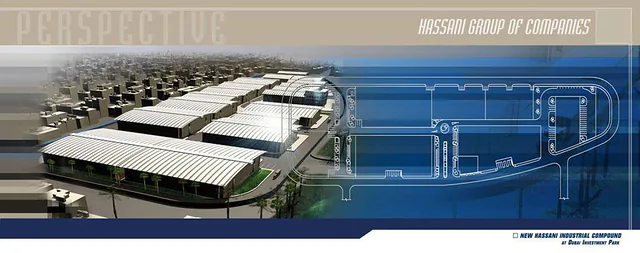
Hassani Group factories & HQ, DIP
Dubai Investments Park (DIP) · MEP · Completed
Factory complex, HQ and staff accommodation, all served from one central cooling station.
2B+G+11 building, Al Nahda Dubai
Al Nahda (Dubai) · MEP · Completed
Complete MEP works for a residential building with basements and gym.
Frequently asked questions
Which authorities approve smoke extraction systems in Dubai?
Approvals in Dubai typically involve Dubai Civil Defence, UAE Fire & Life Safety Code of Practice, Dubai Municipality and Dubai Electricity & Water Authority. Exact routes depend on the plot, the master developer and whether the site sits in a free zone, so we confirm the authority matrix during mobilisation and prepare submissions accordingly.
What buildings need smoke extraction systems in Dubai?
In Dubai, demand mostly comes from mid-rise residential and mixed-use buildings and hotels and serviced apartments. Each type changes system selection, approvals and programme, which is why we review the building use before pricing.
What similar work has Manolia completed near Dubai?
Relevant reference work includes 2B+G+15 residential tower, IMPZ (MEP, completed), Multi-storey parking & retail centre, DSO (MEP, in progress) and Hassani Group factories & HQ, DIP (MEP, completed). Each reference is listed with its scope and status as recorded in our company profile.
How are car park jet fan systems approved?
Jet fan layouts typically require an approved design, often supported by analysis, submitted to Civil Defence with the fire strategy. After installation, Manolia carries out functional tests and cause-and-effect checks with the fire alarm, then attends witnessed tests before approval is granted.
Can you upgrade smoke control in an existing building?
Yes. Upgrades often follow Civil Defence inspections or a change of use. Work may involve replacing fans, adding dampers, rewiring interfaces and re-testing. Manolia surveys the existing installation, proposes changes to the consultant and carries out work in phases to keep the building operational.