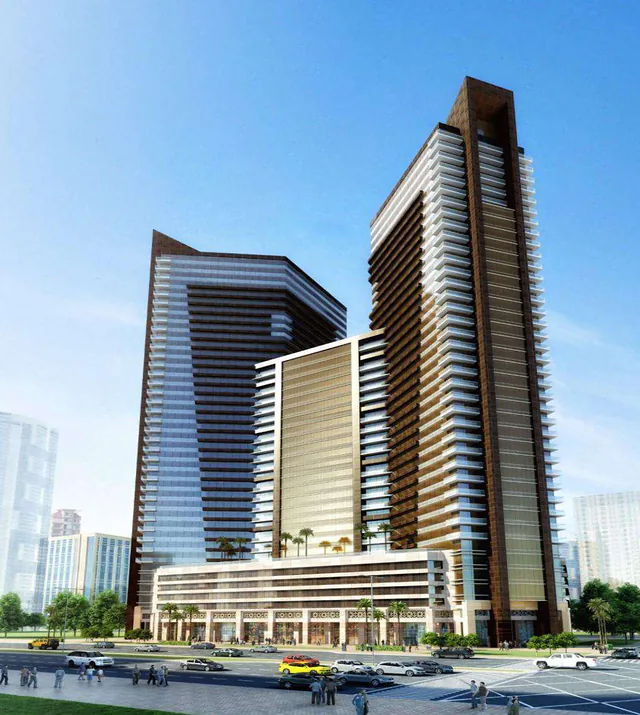
Ventilation & smoke extraction in Jumeirah Lakes Towers (JLT): local context
Jumeirah Lakes Towers is a DMCC free-zone district of around 80 towers arranged in clusters around artificial lakes, opposite Dubai Marina along Sheikh Zayed Road. Built mostly in the late 2000s, it mixes office, residential and hotel towers with ground-level retail and clinics. Manolia completed the MEP works for the Armada hotel tower (G+50) and MEP for the Armada surgical centre here.
- Empower supplies district cooling to much of JLT, so tower scopes typically include energy transfer stations, secondary chilled-water pumping, and careful control of return temperature to keep tariffs and plant performance in check.
- Construction and modification approvals run through DMCC's building authority channel rather than Dubai Municipality, with Civil Defence review of fire and life safety drawings; the exact steps depend on the cluster and works.
- Healthcare fit-outs, such as surgical centres, need dedicated fresh-air AHUs, pressure cascades between clean and dirty areas, medical gas coordination and essential power arrangements.
Building types we serve in Jumeirah Lakes Towers (JLT)
For malls and retail centres, the work concentrates on large-volume air handling, tenant-ready chilled water or refrigerant capacity, smoke extraction for atriums and car parks and food-court exhaust.
Approvals and authorities in Jumeirah Lakes Towers (JLT)
Smoke extraction systems in Jumeirah Lakes Towers (JLT) sits within Dubai's regulatory framework. The authorities you will meet are:
- Dubai Civil Defence (DCD)
- UAE Fire & Life Safety Code of Practice (UAE FLSC)
- DMCC Authority (DMCC)
- Dubai Electricity & Water Authority (DEWA)
- Al Sa'fat — Dubai Green Building Evaluation System (Al Sa'fat)
- ASHRAE standards (62.1, 90.1) (ASHRAE)
Scope of work
- Stair and lift lobby pressurisation fans with relief dampers or variable speed control to maintain pressure without making doors hard to open.
- Fire-rated cabling and secondary power arrangements for smoke control fans so they operate during a fire.
- Interface wiring with the fire alarm system for zone-by-zone activation and fan status feedback.
- Natural ventilation openings, automatic smoke vents and their actuators where the fire strategy relies on them, tested to open on alarm.
Systems we install
- Car park jet fans and main extract fans
- Smoke exhaust fans rated for high temperature
UAE site and climate challenges
- Pressurisation fans draw outdoor air that may be very hot and dusty, so intakes are positioned away from smoke exhaust discharges and fitted with sand louvres to keep fans and dampers working reliably.
- Rooftop smoke fans and motors are exposed to extreme heat and direct sun, so motors, enclosures and fire-rated cabling are selected for high ambient conditions as well as smoke temperature.
- Whether to use dedicated smoke fans or dual-purpose fans that ventilate daily and switch to smoke mode, which saves equipment but needs high-temperature ratings and careful control priority.
Relevant Manolia projects
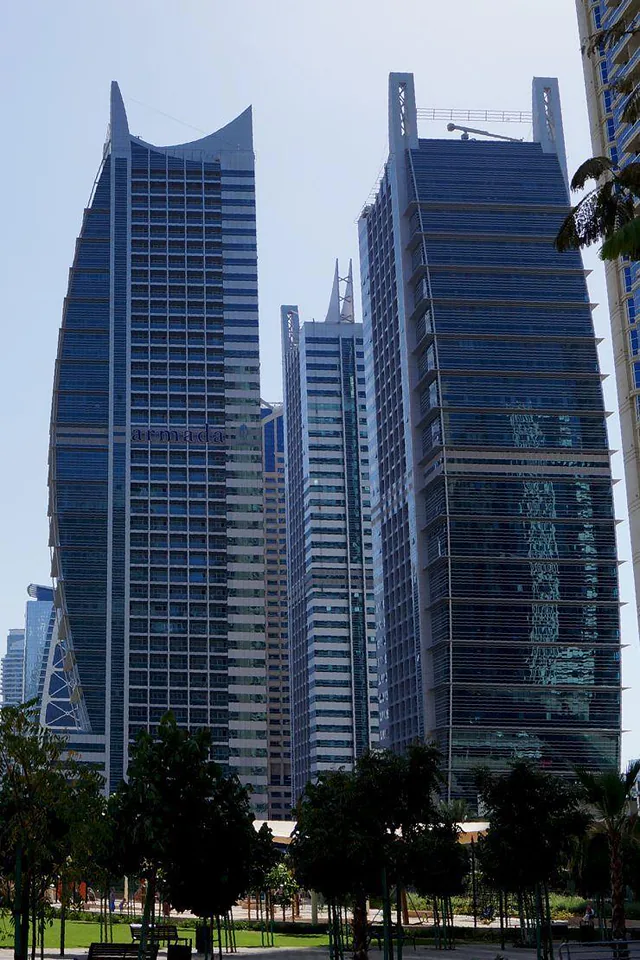
Armada Tower hotel, JLT
Jumeirah Lakes Towers (JLT) · MEP · Completed
MEP for the hotel tower of the three-building Armada Towers cluster.
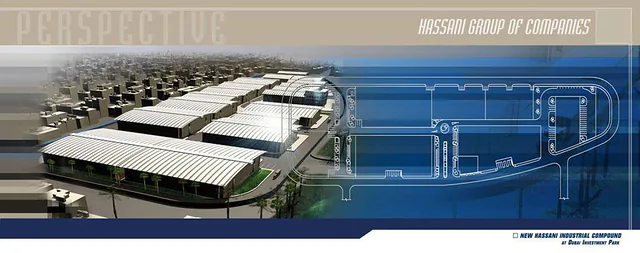
Hassani Group factories & HQ, DIP
Dubai Investments Park (DIP) · MEP · Completed
Factory complex, HQ and staff accommodation, all served from one central cooling station.
Frequently asked questions
Which authorities approve smoke extraction systems in Jumeirah Lakes Towers (JLT)?
Approvals in Jumeirah Lakes Towers (JLT) typically involve Dubai Civil Defence, UAE Fire & Life Safety Code of Practice, DMCC Authority and Dubai Electricity & Water Authority. Exact routes depend on the plot, the master developer and whether the site sits in a free zone, so we confirm the authority matrix during mobilisation and prepare submissions accordingly.
Who tests smoke control systems?
The contractor carries out pre-commissioning and full commissioning tests, including cause-and-effect checks with the fire alarm. Civil Defence then witnesses tests before issuing approval. Periodic testing during the building's life is the owner's responsibility, often handled through a maintenance contract.