Ventilation & smoke extraction in Abu Dhabi: local context
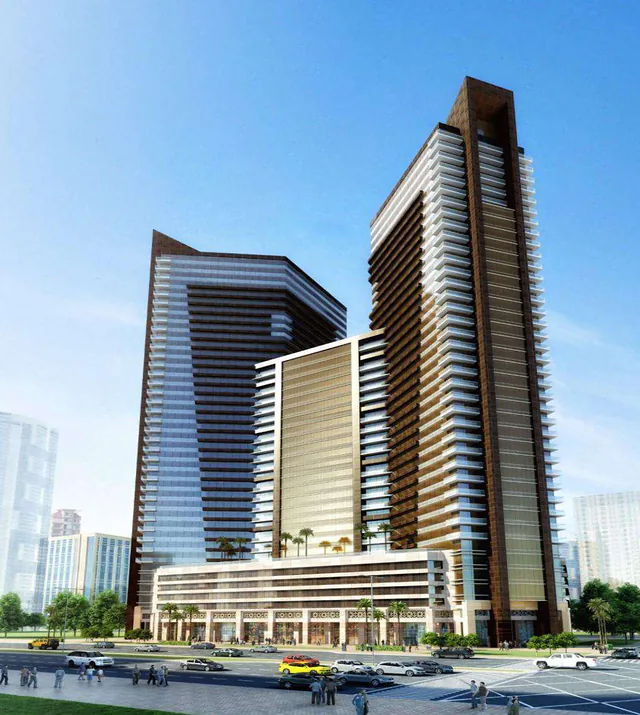
Abu Dhabi's building stock ranges from the 1980s–2000s towers of the downtown grid to the island developments of Al Reem, Saadiyat and Yas, large villa and palace plots in Khalifa City and the suburbs, and heavy industry in Mussafah and KEZAD. Government, education and healthcare buildings make up a larger share of work than in Dubai, alongside private palaces with demanding finish and comfort standards. MEP design here is shaped by Estidama Pearl ratings, ADCDA fire requirements and district cooling on several islands. Manolia has completed palace, school, office tower and industrial work in the emirate and historically ran an Abu Dhabi branch.
Projects typically need a master developer NOC where applicable, then building permit and MEP drawing review through the Department of Municipalities and Transport (DMT) or the relevant municipality, including Estidama Pearl documentation. ADCDA approves fire and life safety drawings and witnesses system tests, while ADDC or AADC approve electrical load and connections. Free zones such as KEZAD run their own permit channel, so the route is confirmed per plot.
- Estidama Pearl ratings apply to new buildings (minimum 1 Pearl, and 2 Pearl for government buildings), which drives chiller efficiency, fresh-air energy recovery, lighting power density, water-efficient fixtures and sub-metering from the concept stage onward.
- Fire and life safety systems are approved and inspected by Abu Dhabi Civil Defence Authority (ADCDA) against the UAE Fire & Life Safety Code, including smoke control, sprinkler and alarm interfacing with lifts, AHUs and pressurisation fans.
Building types we serve in Abu Dhabi
For malls and retail centres, the work concentrates on large-volume air handling, tenant-ready chilled water or refrigerant capacity, smoke extraction for atriums and car parks and food-court exhaust.
For warehouses and logistics buildings, the work concentrates on high-bay sprinklers or in-rack protection, smoke venting, dock and office HVAC, and LV for racking, lighting and material handling.
Approvals and authorities in Abu Dhabi
Smoke extraction systems in Abu Dhabi sits within Abu Dhabi's regulatory framework. The authorities you will meet are:
- Abu Dhabi Civil Defence Authority (ADCDA)
- UAE Fire & Life Safety Code of Practice (UAE FLSC)
- Abu Dhabi Department of Municipalities and Transport (DMT)
- Abu Dhabi Distribution Company (ADDC)
- Al Ain Distribution Company (AADC)
- Estidama Pearl Rating System (Estidama)
- ASHRAE standards (62.1, 90.1) (ASHRAE)
Scope of work
- Review of the approved fire strategy so smoke zones, fan duties and pressurisation targets are understood before equipment selection.
- Smoke exhaust fans, smoke dampers and make-up air paths for atria, malls and corridors as required by the strategy.
- Interface wiring with the fire alarm system for zone-by-zone activation and fan status feedback.
- Cause-and-effect testing, door opening force checks and Civil Defence witnessed tests.
- Natural ventilation openings, automatic smoke vents and their actuators where the fire strategy relies on them, tested to open on alarm.
Systems we install
- Car park jet fans and main extract fans
- Fire alarm interfaces and firefighters control panel
- Automatic smoke vents and actuators at roof or high level
UAE site and climate challenges
- Strong winds and sand can jam relief dampers and louvres, so these are checked during commissioning and included in periodic maintenance to ensure they open and close freely on demand.
- Basement car parks in coastal towers can see condensation on cold surfaces when hot humid air is pulled in at high rates, so supply air paths and ramp openings are reviewed to limit wet floors and corrosion of jet fans.
Decisions to make early
- Fan redundancy and secondary power arrangements, which add cost but determine how robust the smoke control system remains if one fan or one supply fails during a fire.
- Whether to use dedicated smoke fans or dual-purpose fans that ventilate daily and switch to smoke mode, which saves equipment but needs high-temperature ratings and careful control priority.
Relevant Manolia projects
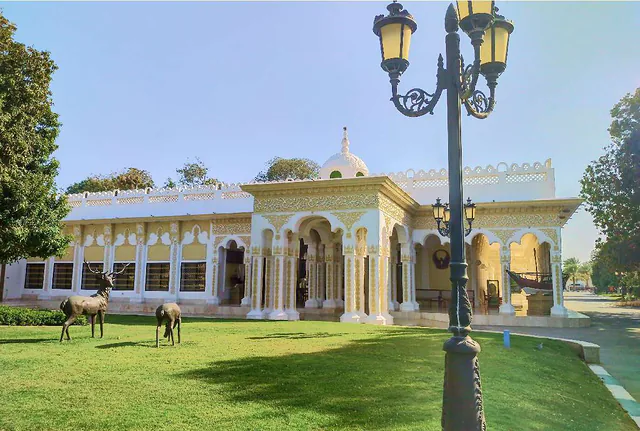
Al Bahar Palace, Abu Dhabi
Abu Dhabi · HVAC · Completed
HVAC design & installation, fresh/extract air, plus swimming-pool works.
International Clear Packaging factory, Abu Dhabi
KEZAD (Khalifa Economic Zones Abu Dhabi) · HVAC · Completed
HVAC for a factory in a specialised economic zone.
28-storey tower, Abu Dhabi
Abu Dhabi · MEP · Completed
MEP works for a 28-storey tower.
5-star furnished-apartment hotel tower, Abu Dhabi
Abu Dhabi · MEP · On hold
District cooling via a 1 km underground pipe trench (project on hold).
Frequently asked questions
Which authorities approve smoke extraction systems in Abu Dhabi?
Approvals in Abu Dhabi typically involve Abu Dhabi Civil Defence Authority, UAE Fire & Life Safety Code of Practice, Abu Dhabi Department of Municipalities and Transport and Abu Dhabi Distribution Company. Exact routes depend on the plot, the master developer and whether the site sits in a free zone, so we confirm the authority matrix during mobilisation and prepare submissions accordingly.
What buildings need smoke extraction systems in Abu Dhabi?
In Abu Dhabi, demand mostly comes from malls and retail centres and warehouses and logistics buildings. Each type changes system selection, approvals and programme, which is why we review the building use before pricing.
Does Manolia work in Abu Dhabi?
Yes. Abu Dhabi is in Abu Dhabi, about 1.5 hours by road from Dubai; Manolia has historically run an Abu Dhabi branch. Site teams are mobilised from our Dubai headquarters with supervision, QA/QC and HSE staff assigned to each project.
What similar work has Manolia completed near Abu Dhabi?
Relevant reference work includes Al Bahar Palace, Abu Dhabi (HVAC, completed), International Clear Packaging factory, Abu Dhabi (HVAC, completed) and 28-storey tower, Abu Dhabi (MEP, completed). Each reference is listed with its scope and status as recorded in our company profile.
How are car park jet fan systems approved?
Jet fan layouts typically require an approved design, often supported by analysis, submitted to Civil Defence with the fire strategy. After installation, Manolia carries out functional tests and cause-and-effect checks with the fire alarm, then attends witnessed tests before approval is granted.
Who tests smoke control systems?
The contractor carries out pre-commissioning and full commissioning tests, including cause-and-effect checks with the fire alarm. Civil Defence then witnesses tests before issuing approval. Periodic testing during the building's life is the owner's responsibility, often handled through a maintenance contract.