Ventilation & smoke extraction in Al Ain: local context
Al Ain is the inland garden city in the east of Abu Dhabi emirate near the Omani border, with low-rise residential areas, villas, palaces, schools, hospitals and retail, and few towers. It has a distinct desert climate with very hot summers and greater day-night temperature swings than the coast. Utility services here are provided by AADC. Its oasis heritage and planning rules keep buildings low, with large villa plots and institutional campuses.
- AADC handles electricity and water connections, so load approvals, substations and metering follow AADC requirements rather than ADDC.
- Lower humidity than the coast reduces corrosion risk but dust is significant, so filtration and coil cleaning access are important.
- Being roughly two hours or more from Dubai, projects need local stores and planned commissioning visits.
Building types we serve in Al Ain
For malls and retail centres, the work concentrates on large-volume air handling, tenant-ready chilled water or refrigerant capacity, smoke extraction for atriums and car parks and food-court exhaust.
Approvals and authorities in Al Ain
Smoke extraction systems in Al Ain sits within Abu Dhabi's regulatory framework. The authorities you will meet are:
- Abu Dhabi Civil Defence Authority (ADCDA)
- UAE Fire & Life Safety Code of Practice (UAE FLSC)
- Abu Dhabi Department of Municipalities and Transport (DMT)
- Al Ain Distribution Company (AADC)
- Estidama Pearl Rating System (Estidama)
- ASHRAE standards (62.1, 90.1) (ASHRAE)
Scope of work
- Installation of car park ventilation with jet fans, main extract fans and CO or NO2 sensors controlling normal ventilation.
- Stair and lift lobby pressurisation fans with relief dampers or variable speed control to maintain pressure without making doors hard to open.
- Fire-rated cabling and secondary power arrangements for smoke control fans so they operate during a fire.
- Interface wiring with the fire alarm system for zone-by-zone activation and fan status feedback.
Systems we install
- Stair and lobby pressurisation fans
- Smoke exhaust fans rated for high temperature
UAE site and climate challenges
- Rooftop smoke fans and motors are exposed to extreme heat and direct sun, so motors, enclosures and fire-rated cabling are selected for high ambient conditions as well as smoke temperature.
- Basement car parks in coastal towers can see condensation on cold surfaces when hot humid air is pulled in at high rates, so supply air paths and ramp openings are reviewed to limit wet floors and corrosion of jet fans.
- Integration with BMS for monitoring, which helps maintenance teams identify failed fans, dampers or sensors without taking life safety control away from the fire alarm system.
Relevant Manolia projects
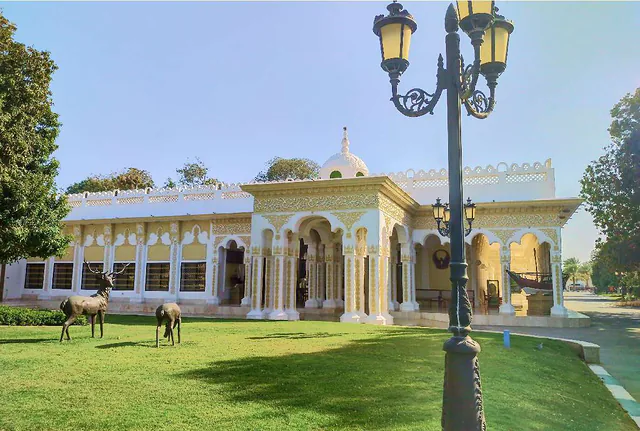
Al Bahar Palace, Abu Dhabi
Abu Dhabi · HVAC · Completed
HVAC design & installation, fresh/extract air, plus swimming-pool works.
2B+G+15 residential tower, IMPZ
Dubai Production City (formerly IMPZ) · MEP · Completed
Full MEP package for a two-basement residential tower with gym.
Frequently asked questions
Which authorities approve smoke extraction systems in Al Ain?
Approvals in Al Ain typically involve Abu Dhabi Civil Defence Authority, UAE Fire & Life Safety Code of Practice, Abu Dhabi Department of Municipalities and Transport and Al Ain Distribution Company. Exact routes depend on the plot, the master developer and whether the site sits in a free zone, so we confirm the authority matrix during mobilisation and prepare submissions accordingly.
Does Manolia work in Al Ain?
Yes. Al Ain is in Abu Dhabi, about 1.5 hours by road from Dubai; Manolia has historically run an Abu Dhabi branch. Site teams are mobilised from our Dubai headquarters with supervision, QA/QC and HSE staff assigned to each project.
What is stair pressurisation and why is it needed?
Stair pressurisation supplies air into protected stairs so that pressure inside is higher than in the corridor, keeping smoke out during a fire. It is a key life safety system in high-rise buildings. The challenge is maintaining pressure while ensuring doors remain openable, which is checked during commissioning.