Ventilation & smoke extraction in Abu Dhabi City: local context
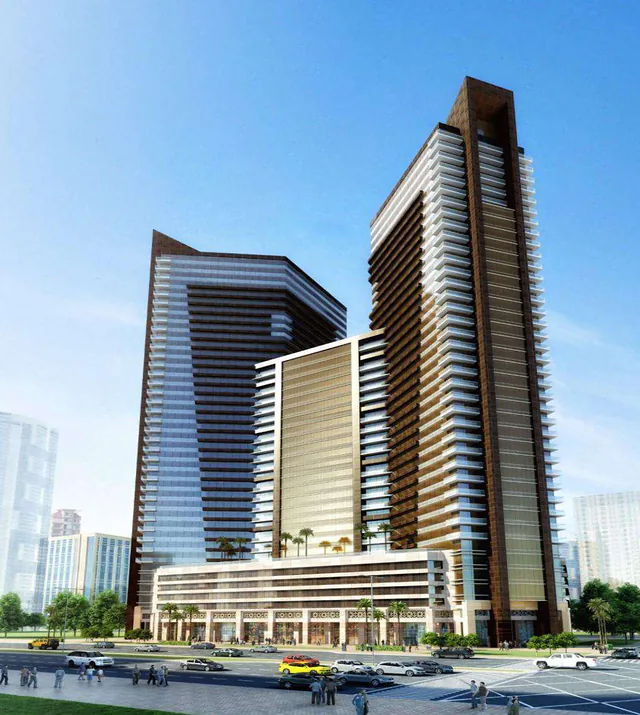
Abu Dhabi City covers the main island's grid of streets, from the Corniche towers and government buildings to dense mid-rise blocks built from the 1980s onward, along with hotels, hospitals and private palaces. Many buildings are now 20–40 years old, so replacement and upgrade work runs alongside new towers. Manolia's work in the capital includes building works for a G+3P+24 office tower, MEP works for a 28-storey tower and HVAC works for Al Bahar Palace.
- Older towers on the island often need chiller and cooling tower replacements, re-piping of corroded risers and new BMS controls, delivered while tenants stay in place.
- Fire and life safety upgrades are approved and witnessed by ADCDA, and refurbishments commonly bring smoke control, alarm and sprinkler systems into line with the current UAE Fire & Life Safety Code.
- Palaces demand concealed, quiet HVAC with precise zoning, robust standby capacity and finishes that tolerate no visible ductwork or grilles out of place.
Building types we serve in Abu Dhabi City
For high-rise towers, the work concentrates on pressure-zoned water and drainage stacks, riser and plant-room coordination, stair pressurisation and a cooling source sized for diversity across dozens of typical floors.
Approvals and authorities in Abu Dhabi City
Smoke extraction systems in Abu Dhabi City sits within Abu Dhabi's regulatory framework. The authorities you will meet are:
- Abu Dhabi Civil Defence Authority (ADCDA)
- UAE Fire & Life Safety Code of Practice (UAE FLSC)
- Abu Dhabi Department of Municipalities and Transport (DMT)
- Abu Dhabi Distribution Company (ADDC)
- Estidama Pearl Rating System (Estidama)
- ASHRAE standards (62.1, 90.1) (ASHRAE)
Scope of work
- Review of the approved fire strategy so smoke zones, fan duties and pressurisation targets are understood before equipment selection.
- Fire-rated cabling and secondary power arrangements for smoke control fans so they operate during a fire.
- Interface wiring with the fire alarm system for zone-by-zone activation and fan status feedback.
- Cause-and-effect testing, door opening force checks and Civil Defence witnessed tests.
Systems we install
- CO and NO2 gas detection for demand ventilation
- Fire alarm interfaces and firefighters control panel
UAE site and climate challenges
- Pressurisation fans draw outdoor air that may be very hot and dusty, so intakes are positioned away from smoke exhaust discharges and fitted with sand louvres to keep fans and dampers working reliably.
- Strong winds and sand can jam relief dampers and louvres, so these are checked during commissioning and included in periodic maintenance to ensure they open and close freely on demand.
- Whether to use dedicated smoke fans or dual-purpose fans that ventilate daily and switch to smoke mode, which saves equipment but needs high-temperature ratings and careful control priority.
Relevant Manolia projects
International Clear Packaging factory, Abu Dhabi
KEZAD (Khalifa Economic Zones Abu Dhabi) · HVAC · Completed
HVAC for a factory in a specialised economic zone.
5-star furnished-apartment hotel tower, Abu Dhabi
Abu Dhabi · MEP · On hold
District cooling via a 1 km underground pipe trench (project on hold).
Frequently asked questions
Which authorities approve smoke extraction systems in Abu Dhabi City?
Approvals in Abu Dhabi City typically involve Abu Dhabi Civil Defence Authority, UAE Fire & Life Safety Code of Practice, Abu Dhabi Department of Municipalities and Transport and Abu Dhabi Distribution Company. Exact routes depend on the plot, the master developer and whether the site sits in a free zone, so we confirm the authority matrix during mobilisation and prepare submissions accordingly.
Does Manolia work in Abu Dhabi City?
Yes. Abu Dhabi City is in Abu Dhabi, about 1.5 hours by road from Dubai; Manolia has historically run an Abu Dhabi branch. Site teams are mobilised from our Dubai headquarters with supervision, QA/QC and HSE staff assigned to each project.
How are car park jet fan systems approved?
Jet fan layouts typically require an approved design, often supported by analysis, submitted to Civil Defence with the fire strategy. After installation, Manolia carries out functional tests and cause-and-effect checks with the fire alarm, then attends witnessed tests before approval is granted.