Ventilation & smoke extraction in Ajman: local context
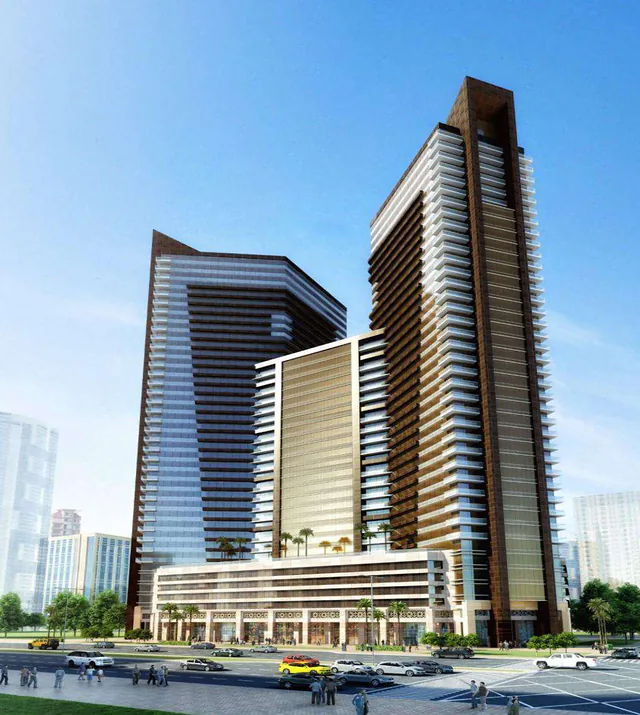
Ajman is the smallest emirate by area, with a compact city of mid- and high-rise residential towers along the corniche and Al Nuaimiya-type districts, plus the Al Jurf industrial zone towards the Emirates Road. Much of its residential stock is value-oriented housing for people commuting to Sharjah and Dubai, with hotels along the beachfront and workshops and warehouses inland. MEP budgets are often tighter than in Dubai, which puts the emphasis on robust, maintainable systems such as packaged and split units, VRF and straightforward chilled-water plants. Manolia has delivered HVAC and design work here.
MEP drawings are typically submitted to Ajman Municipality and Planning as part of the building permit, with Civil Defence (Ministry of Interior) approving fire and life safety drawings and inspecting before occupancy. Etihad WE handles electrical load approval and connections. Requirements vary between plots and zones, so the sequence is confirmed for each project.
- Fire and life safety approvals go through Civil Defence under the Ministry of Interior, applying the UAE Fire & Life Safety Code; early submission avoids delays on residential towers where fire pumps and tank volumes drive basement layouts.
- Beachfront towers face salt-laden air and high humidity, so outdoor units on balconies and roofs need coated coils and accessible maintenance positions, and drainage of condensate must be planned rather than left to discharge on facades.
Building types we serve in Ajman
For high-rise towers, the work concentrates on pressure-zoned water and drainage stacks, riser and plant-room coordination, stair pressurisation and a cooling source sized for diversity across dozens of typical floors.
For factories and industrial plants, the work concentrates on process cooling and ventilation, heavy LV distribution, hazard-appropriate fire protection and plant that tolerates dust and high ambient temperatures.
Approvals and authorities in Ajman
Smoke extraction systems in Ajman sits within Ajman's regulatory framework. The authorities you will meet are:
- UAE Civil Defence (Ministry of Interior) (Civil Defence)
- UAE Fire & Life Safety Code of Practice (UAE FLSC)
- Ajman Municipality & Planning Department (Ajman Municipality)
- Etihad Water & Electricity (formerly FEWA) (Etihad WE)
- ASHRAE standards (62.1, 90.1) (ASHRAE)
Scope of work
- Review of the approved fire strategy so smoke zones, fan duties and pressurisation targets are understood before equipment selection.
- Stair and lift lobby pressurisation fans with relief dampers or variable speed control to maintain pressure without making doors hard to open.
- Smoke exhaust fans, smoke dampers and make-up air paths for atria, malls and corridors as required by the strategy.
- Interface wiring with the fire alarm system for zone-by-zone activation and fan status feedback.
- Natural ventilation openings, automatic smoke vents and their actuators where the fire strategy relies on them, tested to open on alarm.
Systems we install
- CO and NO2 gas detection for demand ventilation
- Stair and lobby pressurisation fans
- Motorised smoke dampers and relief dampers
UAE site and climate challenges
- Basement car parks in summer accumulate heat and vehicle exhaust, so normal ventilation rates are controlled by CO and NO2 sensors to save energy while keeping air quality safe for drivers and attendants.
- Pressurisation fans draw outdoor air that may be very hot and dusty, so intakes are positioned away from smoke exhaust discharges and fitted with sand louvres to keep fans and dampers working reliably.
Decisions to make early
- Pressurisation control method: barometric relief dampers are simpler, while variable speed control maintains more stable pressure as doors open and close during an evacuation.
- Integration with BMS for monitoring, which helps maintenance teams identify failed fans, dampers or sensors without taking life safety control away from the fire alarm system.
Relevant Manolia projects
G+6 building, Ajman
Ajman · HVAC · Completed
HVAC installation for a mid-rise residential building.
42-building complex, mall & hotel, Ajman (design)
Ajman · MEP Design · Design
MEP design for a mixed-use masterplan including a 5-star hotel.
Frequently asked questions
Which authorities approve smoke extraction systems in Ajman?
Approvals in Ajman typically involve UAE Civil Defence (Ministry of Interior), UAE Fire & Life Safety Code of Practice, Ajman Municipality & Planning Department and Etihad Water & Electricity (formerly FEWA). Exact routes depend on the plot, the master developer and whether the site sits in a free zone, so we confirm the authority matrix during mobilisation and prepare submissions accordingly.
What buildings need smoke extraction systems in Ajman?
In Ajman, demand mostly comes from high-rise towers and factories and industrial plants. Each type changes system selection, approvals and programme, which is why we review the building use before pricing.
Does Manolia work in Ajman?
Yes. Ajman is in Ajman, roughly 30–60 minutes from Dubai via Sharjah. Site teams are mobilised from our Dubai headquarters with supervision, QA/QC and HSE staff assigned to each project.
What similar work has Manolia completed near Ajman?
Relevant reference work includes G+6 building, Ajman (HVAC, completed) and 42-building complex, mall & hotel, Ajman (design) (MEP Design, design). Each reference is listed with its scope and status as recorded in our company profile.
What is stair pressurisation and why is it needed?
Stair pressurisation supplies air into protected stairs so that pressure inside is higher than in the corridor, keeping smoke out during a fire. It is a key life safety system in high-rise buildings. The challenge is maintaining pressure while ensuring doors remain openable, which is checked during commissioning.
How are car park jet fan systems approved?
Jet fan layouts typically require an approved design, often supported by analysis, submitted to Civil Defence with the fire strategy. After installation, Manolia carries out functional tests and cause-and-effect checks with the fire alarm, then attends witnessed tests before approval is granted.