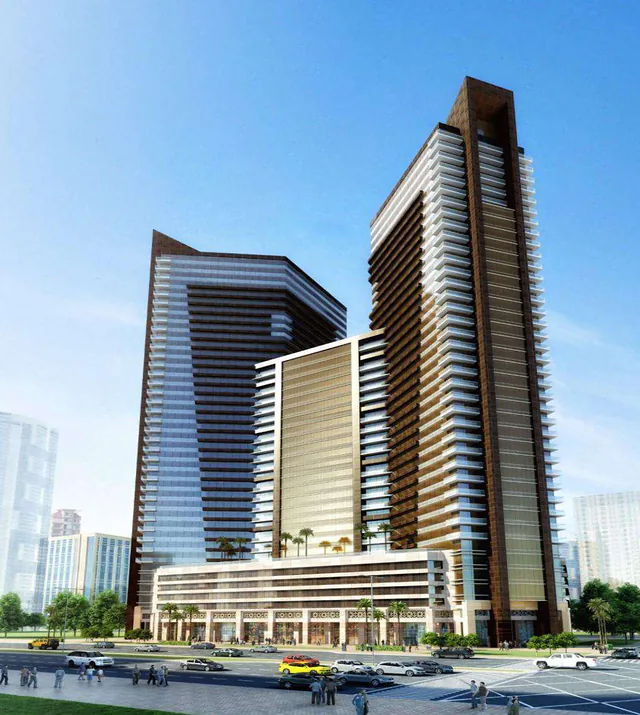
Ventilation & smoke extraction in Downtown Dubai: local context
Downtown Dubai is the master-planned district around Burj Khalifa and The Dubai Mall, developed from the mid-2000s with residential towers, luxury hotels, serviced apartments and large retail. Its building stock is high-specification, heavily occupied and closely managed by the master developer. Work here is increasingly about upgrades, refurbishments and fit-outs inside live buildings rather than greenfield construction.
- Master-community and building management rules restrict working hours, noise and loading-bay use, so MEP works in occupied towers are planned around permits, resident notices and tight delivery windows.
- High-rise domestic water systems rely on pressure zoning with PRVs and transfer tanks; refurbishment work must protect pressure stability and maintain Legionella control in tanks and hot-water loops.
- Retail and F&B fit-outs require kitchen extract with grease ducting, fire-rated enclosures and suppression interfacing with the base-build fire alarm.
Building types we serve in Downtown Dubai
For high-rise towers, the work concentrates on pressure-zoned water and drainage stacks, riser and plant-room coordination, stair pressurisation and a cooling source sized for diversity across dozens of typical floors.
Approvals and authorities in Downtown Dubai
Smoke extraction systems in Downtown Dubai sits within Dubai's regulatory framework. The authorities you will meet are:
- Dubai Civil Defence (DCD)
- UAE Fire & Life Safety Code of Practice (UAE FLSC)
- Dubai Municipality (DM)
- Dubai Electricity & Water Authority (DEWA)
- Al Sa'fat — Dubai Green Building Evaluation System (Al Sa'fat)
- ASHRAE standards (62.1, 90.1) (ASHRAE)
Scope of work
- Review of the approved fire strategy so smoke zones, fan duties and pressurisation targets are understood before equipment selection.
- Smoke exhaust fans, smoke dampers and make-up air paths for atria, malls and corridors as required by the strategy.
- Cause-and-effect testing, door opening force checks and Civil Defence witnessed tests.
- Natural ventilation openings, automatic smoke vents and their actuators where the fire strategy relies on them, tested to open on alarm.
Systems we install
- CO and NO2 gas detection for demand ventilation
- Motorised smoke dampers and relief dampers
UAE site and climate challenges
- Basement car parks in summer accumulate heat and vehicle exhaust, so normal ventilation rates are controlled by CO and NO2 sensors to save energy while keeping air quality safe for drivers and attendants.
- Basement car parks in coastal towers can see condensation on cold surfaces when hot humid air is pulled in at high rates, so supply air paths and ramp openings are reviewed to limit wet floors and corrosion of jet fans.
- Pressurisation control method: barometric relief dampers are simpler, while variable speed control maintains more stable pressure as doors open and close during an evacuation.
Relevant Manolia projects
B+G+4 building, Jumeirah
Jumeirah · MEP · Completed
Full MEP package for a low-rise building with basement.
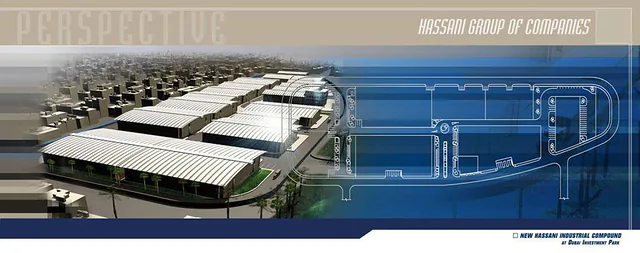
Hassani Group factories & HQ, DIP
Dubai Investments Park (DIP) · MEP · Completed
Factory complex, HQ and staff accommodation, all served from one central cooling station.
Frequently asked questions
Which authorities approve smoke extraction systems in Downtown Dubai?
Approvals in Downtown Dubai typically involve Dubai Civil Defence, UAE Fire & Life Safety Code of Practice, Dubai Municipality and Dubai Electricity & Water Authority. Exact routes depend on the plot, the master developer and whether the site sits in a free zone, so we confirm the authority matrix during mobilisation and prepare submissions accordingly.
How are car park jet fan systems approved?
Jet fan layouts typically require an approved design, often supported by analysis, submitted to Civil Defence with the fire strategy. After installation, Manolia carries out functional tests and cause-and-effect checks with the fire alarm, then attends witnessed tests before approval is granted.