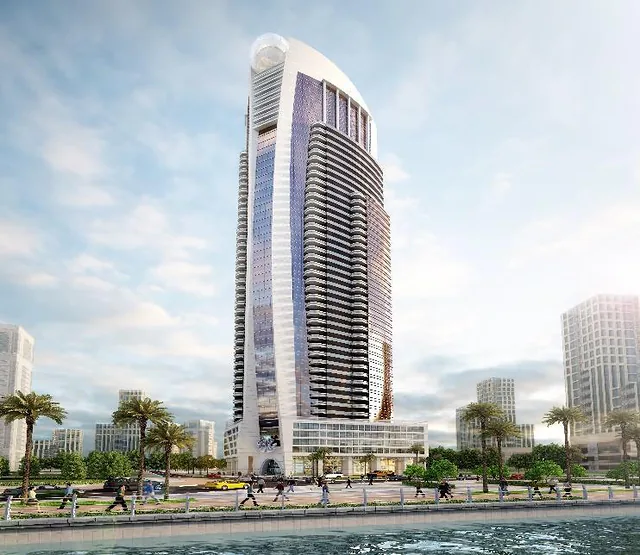
HVAC installation in Downtown Dubai: local context
Downtown Dubai is the master-planned district around Burj Khalifa and The Dubai Mall, developed from the mid-2000s with residential towers, luxury hotels, serviced apartments and large retail. Its building stock is high-specification, heavily occupied and closely managed by the master developer. Work here is increasingly about upgrades, refurbishments and fit-outs inside live buildings rather than greenfield construction.
- Hotel and serviced-apartment refurbishments involve replacing fan coil units, re-balancing chilled-water risers and upgrading BMS without taking whole floors offline for long.
- High-rise domestic water systems rely on pressure zoning with PRVs and transfer tanks; refurbishment work must protect pressure stability and maintain Legionella control in tanks and hot-water loops.
- Retail and F&B fit-outs require kitchen extract with grease ducting, fire-rated enclosures and suppression interfacing with the base-build fire alarm.
Building types we serve in Downtown Dubai
For office buildings, the work concentrates on VAV or FCU zoning for flexible floor plates, tenant fit-out interfaces, energy metering and BMS integration.
Approvals and authorities in Downtown Dubai
HVAC installation in Downtown Dubai sits within Dubai's regulatory framework. The authorities you will meet are:
- Dubai Municipality (DM)
- Dubai Civil Defence (DCD)
- Dubai Electricity & Water Authority (DEWA)
- Al Sa'fat — Dubai Green Building Evaluation System (Al Sa'fat)
- ASHRAE standards (62.1, 90.1) (ASHRAE)
- UAE Fire & Life Safety Code of Practice (UAE FLSC)
Scope of work
- Heat load verification against the consultant's calculation, checking glazing ratios, occupancy and fresh-air volumes before equipment orders are released.
- Installation of AHUs, fan coil units, VAV boxes and fresh air handling units with vibration isolation, condensate drainage and service access.
- Fabrication and erection of insulated supply, return and fresh-air ductwork including fire dampers at compartment walls and volume control dampers.
- Toilet extract, car park ventilation and general exhaust systems sized to keep negative pressure where odours and fumes are generated.
Systems we install
- Ceiling-concealed and floor-standing fan coil units
- Dedicated outdoor air units for dehumidification
UAE site and climate challenges
- Sand-laden air quickly clogs filters on AHUs and fresh-air intakes, so intakes are placed away from roof edges where possible, fitted with sand louvres and given accessible pre-filters.
- Equipment on roofs faces direct sun and high ambient air, so condensing units are selected for high-ambient operation and spaced to avoid recirculating hot discharge air.
- Level of zoning: more zones improve comfort for perimeter rooms and allow tenant-level scheduling and billing, but each zone adds thermostats, valves or VAV boxes, wiring and commissioning effort.
Relevant Manolia projects
B+G+4 building, Jumeirah
Jumeirah · MEP · Completed
Full MEP package for a low-rise building with basement.
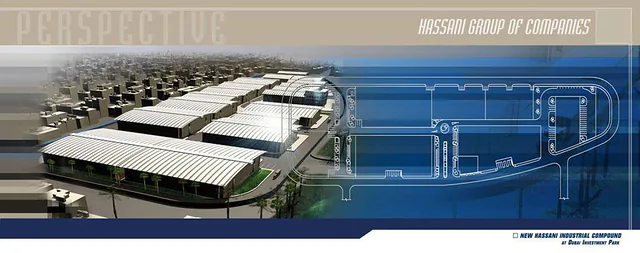
Hassani Group factories & HQ, DIP
Dubai Investments Park (DIP) · MEP · Completed
Factory complex, HQ and staff accommodation, all served from one central cooling station.
Frequently asked questions
Which authorities approve HVAC installation in Downtown Dubai?
Approvals in Downtown Dubai typically involve Dubai Municipality, Dubai Civil Defence, Dubai Electricity & Water Authority and Al Sa'fat — Dubai Green Building Evaluation System. Exact routes depend on the plot, the master developer and whether the site sits in a free zone, so we confirm the authority matrix during mobilisation and prepare submissions accordingly.
What HVAC systems suit villas versus towers?
Villas commonly use ducted split or VRF systems because there is no central plant room and loads are modest. Towers typically use chilled water from a central plant or district cooling, distributed to fan coils and AHUs. Mixed-use and hotel buildings may combine both, with VRF serving retail units that need separate metering.