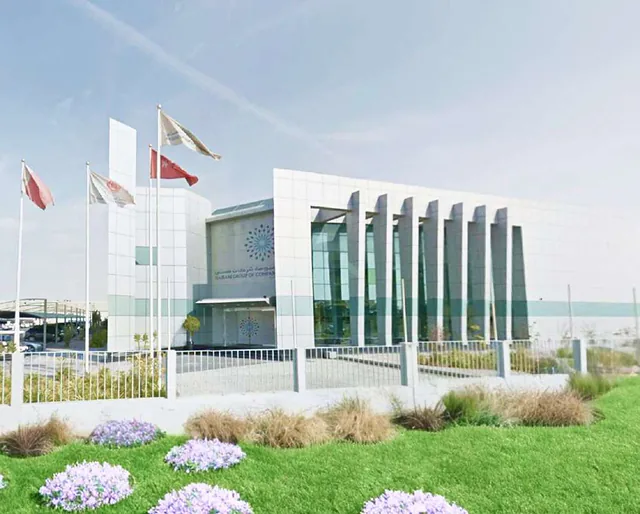
BMS & controls in Al Qusais: local context
Al Qusais combines a long-established industrial area of warehouses, workshops and trading stores with residential mid-rise blocks, staff accommodation and schools, just north of Dubai International Airport and close to the Sharjah border. Much of the building stock dates from the 1980s–2000s and is being steadily refurbished or replaced plot by plot. It is a working district where trucks, buses and residents share the same streets.
- Older warehouses and workshops typically need new main distribution boards, cable upgrades and sometimes additional DEWA capacity before new tenants with heavier machinery or cold rooms can move in.
- Staff accommodation blocks need generously sized domestic water storage, hot-water generation, drainage stacks and kitchen extract designed for high, simultaneous occupancy at shift changes.
- Change-of-use projects often trigger fire alarm, sprinkler and hydrant upgrades to meet the current UAE Fire & Life Safety Code before Civil Defence will sign off.
Building types we serve in Al Qusais
For schools and university buildings, the work concentrates on high fresh-air rates for dense classrooms, quiet systems, holiday-window works in occupied campuses and robust controls.
Approvals and authorities in Al Qusais
BMS installation in Al Qusais sits within Dubai's regulatory framework. The authorities you will meet are:
- Dubai Municipality (DM)
- Dubai Civil Defence (DCD)
- Dubai Electricity & Water Authority (DEWA)
- Al Sa'fat — Dubai Green Building Evaluation System (Al Sa'fat)
- ASHRAE standards (62.1, 90.1) (ASHRAE)
Scope of work
- Installation of DDC controllers, field sensors, valve actuators and damper actuators across plant rooms and floors.
- Integration of third-party systems such as chillers, VRF, meters and fire alarm status through open protocols.
- Control sequences for chiller staging, pump speed, AHU temperature and fresh-air control written and tested.
- Graphics and alarm setup so operators can see plant status, trends and faults clearly.
Systems we install
- Motorised valve and damper actuators
- Network switches and secure remote access gateways
UAE site and climate challenges
- Plant on roofs operates under severe heat, so BMS alarms monitor high condenser pressure, chiller trips and pump failures to alert operators before an outage affects the building.
- In hot months, chiller plant often runs at full load all day; BMS trends of condenser approach and chiller current help operators spot fouled coils or failing fans early, before trips occur on the hottest afternoons.
- Wireless versus wired room sensors in renovations, where wireless avoids opening finished ceilings and walls but needs battery replacement and signal checks.
Relevant Manolia projects
2B+G+11 building, Al Nahda Dubai
Al Nahda (Dubai) · MEP · Completed
Complete MEP works for a residential building with basements and gym.
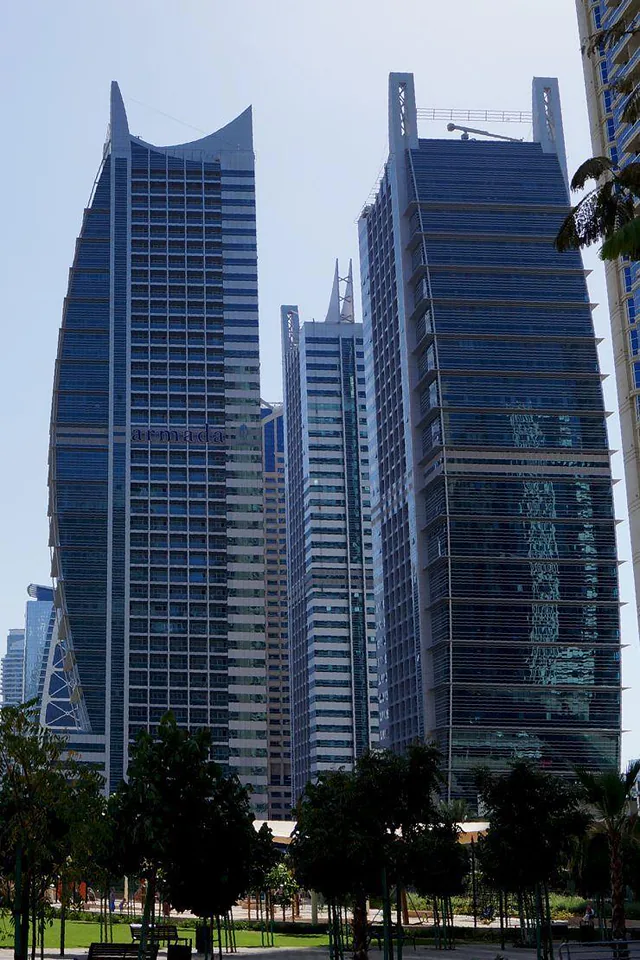
Armada Tower hotel, JLT
Jumeirah Lakes Towers (JLT) · MEP · Completed
MEP for the hotel tower of the three-building Armada Towers cluster.
Frequently asked questions
Which authorities approve BMS installation in Al Qusais?
Approvals in Al Qusais typically involve Dubai Municipality, Dubai Civil Defence, Dubai Electricity & Water Authority and Al Sa'fat — Dubai Green Building Evaluation System. Exact routes depend on the plot, the master developer and whether the site sits in a free zone, so we confirm the authority matrix during mobilisation and prepare submissions accordingly.
What does a BMS control in a typical UAE building?
A BMS typically controls chillers or the district cooling transfer station, chilled-water pumps, AHUs, fan coil zones, car park and toilet extract fans, and sometimes lighting and energy meters. It monitors faults such as pump trips, high plant-room temperature or tank low level. Life safety functions stay under the fire alarm system, with the BMS showing status but not overriding fire control.