BMS & controls in Palm Jumeirah: local context
Palm Jumeirah is the reclaimed palm-shaped island off Dubai's coast, carrying luxury villas on the fronds, apartment buildings along the trunk and resort hotels on the crescent. Developed from the early 2000s, much of its villa stock is now being extensively renovated or rebuilt to higher specifications. It remains one of the city's most prestigious and tightly controlled addresses.
- Every plot is effectively waterfront, so salt spray and high humidity demand marine-grade coatings on condensers, stainless fixings and careful selection of exposed pipework and cable containment.
- Access along the trunk and fronds is controlled, so deliveries of large plant such as chillers or generators are scheduled with community management and may be restricted to off-peak hours.
- Villa renovations often upgrade from split systems to concealed VRF or chilled water, adding pool dehumidification and home automation integration.
Building types we serve in Palm Jumeirah
For palaces and private estates, the work concentrates on discreet high-capacity plant, multi-zone comfort, staff and service blocks, pools and long-term maintenance by an accountable team.
Approvals and authorities in Palm Jumeirah
BMS installation in Palm Jumeirah sits within Dubai's regulatory framework. The authorities you will meet are:
- Trakhees (PCFC) (Trakhees)
- Dubai Municipality (DM)
- Dubai Civil Defence (DCD)
- Dubai Electricity & Water Authority (DEWA)
- Al Sa'fat — Dubai Green Building Evaluation System (Al Sa'fat)
- ASHRAE standards (62.1, 90.1) (ASHRAE)
Scope of work
- Installation of DDC controllers, field sensors, valve actuators and damper actuators across plant rooms and floors.
- Control sequences for chiller staging, pump speed, AHU temperature and fresh-air control written and tested.
- Graphics and alarm setup so operators can see plant status, trends and faults clearly.
- Integration with district cooling ETS valves and meters, so return temperature and consumption can be trended against the provider's bills.
Systems we install
- Motorised valve and damper actuators
- Network switches and secure remote access gateways
UAE site and climate challenges
- Sensors in dusty plant rooms and fresh-air ducts drift faster than in cleaner climates, so calibration checks and replacement intervals are included in the maintenance schedule.
- In hot months, chiller plant often runs at full load all day; BMS trends of condenser approach and chiller current help operators spot fouled coils or failing fans early, before trips occur on the hottest afternoons.
- Cloud or remote access, which offers convenience for off-site support and alarm notifications but requires network security measures, password management and agreed access rules with IT.
Relevant Manolia projects
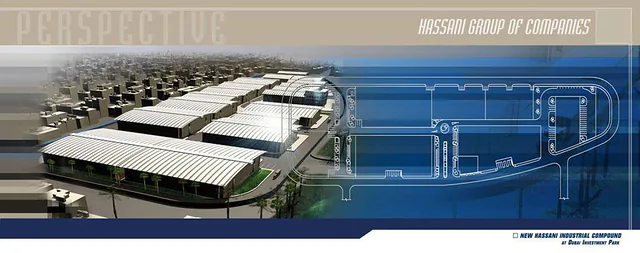
Hassani Group factories & HQ, DIP
Dubai Investments Park (DIP) · MEP · Completed
Factory complex, HQ and staff accommodation, all served from one central cooling station.
Multi-storey parking & retail centre, DSO
Dubai Silicon Oasis (DSO) · MEP · In progress
G+3 parking and retail centre — MEP works in progress.
Frequently asked questions
Which authorities approve BMS installation in Palm Jumeirah?
Approvals in Palm Jumeirah typically involve Trakhees (PCFC), Dubai Municipality, Dubai Civil Defence and Dubai Electricity & Water Authority. Exact routes depend on the plot, the master developer and whether the site sits in a free zone, so we confirm the authority matrix during mobilisation and prepare submissions accordingly.
What does a BMS control in a typical UAE building?
A BMS typically controls chillers or the district cooling transfer station, chilled-water pumps, AHUs, fan coil zones, car park and toilet extract fans, and sometimes lighting and energy meters. It monitors faults such as pump trips, high plant-room temperature or tank low level. Life safety functions stay under the fire alarm system, with the BMS showing status but not overriding fire control.