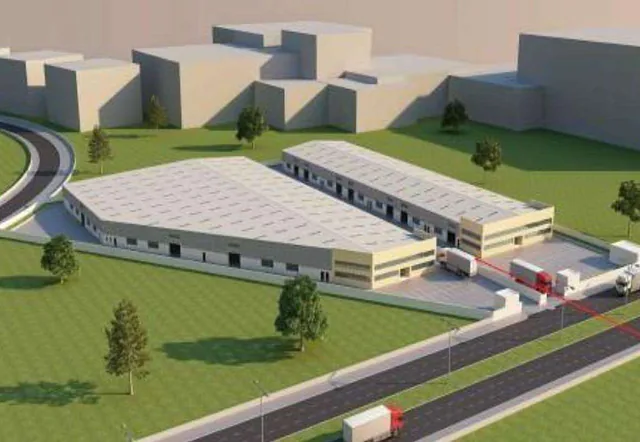
Warehouse and cold store MEP in Sharjah: local context
Sharjah combines a dense band of 20–30 storey residential towers along Al Nahda, Al Taawun, Al Khan and Al Majaz with older mid-rise stock, large industrial areas and newer master-planned communities such as Aljada and Tilal City further inland. Much of its housing serves people who work in Dubai, so residential towers with podium car parks dominate the urban core. MEP work here is shaped by SEWA utility requirements, Sharjah Civil Defence review, and a high share of retrofit and replacement work in buildings that are 15–30 years old. Manolia has a long record in Sharjah, from residential towers to the American University of Sharjah campus.
MEP drawings typically go through Sharjah Municipality as part of the building permit, with Sharjah Civil Defence approving fire and life safety designs and inspecting installed systems before occupancy. SEWA handles electrical load, water and gas connection approvals and final inspections. In free zones or master-planned communities, a developer or zone NOC usually comes first; the route is confirmed per plot.
- SEWA supplies electricity, water and in many areas gas, so load applications, water tank arrangements and metering follow SEWA's own standards and inspections rather than Dubai practice; contractors moving from Dubai should not assume the same details carry over.
- Sharjah Civil Defence reviews fire alarm, firefighting, smoke extract and emergency lighting designs, and many older towers need upgrades to bring fire systems in line with the current UAE Fire & Life Safety Code during refurbishment.
Building types we serve in Sharjah
For warehouses and logistics buildings, the work concentrates on high-bay sprinklers or in-rack protection, smoke venting, dock and office HVAC, and LV for racking, lighting and material handling.
Approvals and authorities in Sharjah
Warehouse MEP in Sharjah sits within Sharjah's regulatory framework. The authorities you will meet are:
- Sharjah Municipality (SM)
- Sharjah Civil Defence (SCD)
- Sharjah Electricity, Water & Gas Authority (SEWA)
- UAE Fire & Life Safety Code of Practice (UAE FLSC)
Scope of work
- Assessment of storage type, racking height, commodity class and temperature requirements to define the fire protection and cooling strategy with the consultant.
- High-bay sprinklers, in-rack sprinklers where required, hydrants and fire pumps sized for warehouse hazard levels and the largest design area.
- LV distribution for lighting, dock levellers, roller shutters, forklift charging areas with their own ventilation, and general building services.
- High-bay LED lighting with aisle-by-aisle zoning and occupancy controls set so forklift routes stay safely lit while empty aisles dim.
- Rainwater drainage from large roofs with gutters and downpipes sized for short intense storms, plus foul drainage connected to municipal or approved systems.
Systems we install
- Fire pump sets with electric duty and diesel standby pumps.
- Roof extract fans and filtered make-up air for ambient storage halls.
- Packaged or chilled-water cooling for temperature-controlled storage zones.
UAE site and climate challenges
- Dock doors open frequently, letting hot humid air into cooled or cold zones. Air curtains, dock seals and strip curtains reduce infiltration and condensation near doors.
- Cold stores in humid climates suffer ice build-up and condensation at panel joints and door frames. Heated door frames, vapour-tight sealing and controlled anterooms reduce moisture problems.
Decisions to make early
- Ambient versus temperature-controlled storage: controlled storage protects pharmaceuticals, food and electronics, but increases energy use, equipment cost and the insulation standard needed for the whole envelope.
- Diesel standby versus electric-only fire pumping: diesel standby keeps sprinklers pressurised if utility power fails, but needs fuel management, ventilation for engine heat and weekly test runs throughout the year.
Relevant Manolia projects
Cold store (flower plant), DIP
Dubai Investments Park (DIP) · HVAC · Completed
HVAC and refrigeration-environment works for a temperature-controlled facility.
Manolya Warehouses, Dubai
Dubai · Building · Completed
G+2 warehouse building.
Frequently asked questions
Which authorities approve warehouse MEP in Sharjah?
Approvals in Sharjah typically involve Sharjah Municipality, Sharjah Civil Defence, Sharjah Electricity, Water & Gas Authority and UAE Fire & Life Safety Code of Practice. Exact routes depend on the plot, the master developer and whether the site sits in a free zone, so we confirm the authority matrix during mobilisation and prepare submissions accordingly.
What buildings need warehouse MEP in Sharjah?
In Sharjah, demand mostly comes from warehouses and logistics buildings. Each type changes system selection, approvals and programme, which is why we review the building use before pricing.
Does Manolia work in Sharjah?
Yes. Sharjah is in Sharjah, roughly 20–60 minutes from central Dubai depending on traffic. Site teams are mobilised from our Dubai headquarters with supervision, QA/QC and HSE staff assigned to each project.
Do warehouses need air conditioning?
Not always. Many ambient warehouses use ventilation and roof extract, with air conditioning only for offices, pick areas or sensitive products. Pharmaceuticals, food, cosmetics and electronics often require controlled temperatures, so the decision follows what will be stored and any client or regulator limits.
How do you prevent condensation in cold stores?
By using vapour-tight insulated panels and sealing, heated door frames, anterooms or dock shelters, air curtains and proper drainage from evaporators. Limiting the infiltration of humid outside air is the main factor, so door discipline and fast-acting doors matter as much as equipment.