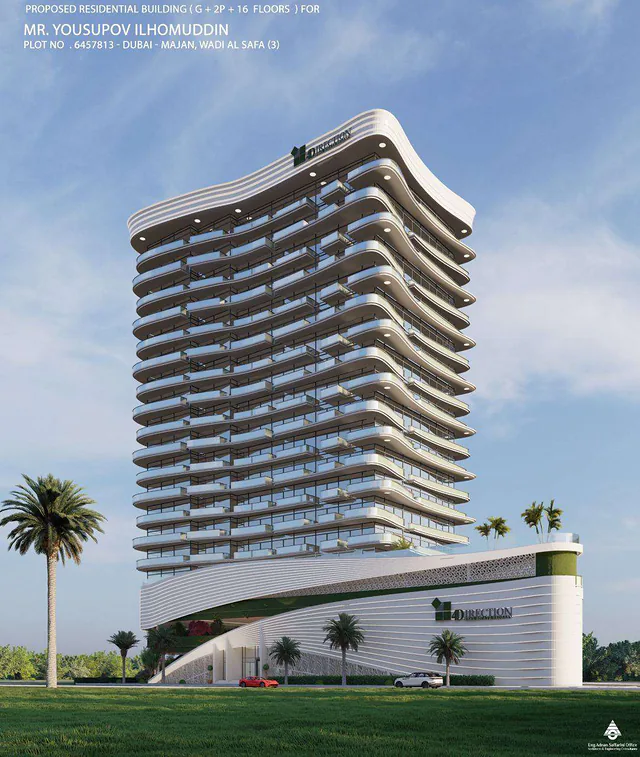
Drainage systems in Dubai: local context
Dubai's building stock runs from the 1970s–90s low- and mid-rise blocks of Deira and Bur Dubai to the master-planned tower districts of Business Bay, Dubai Marina and JLT, with villa communities, logistics parks and free zones filling the corridor towards Jebel Ali and Dubai South. Almost every typology is built here at once: residential towers, hotels, clinics, schools, factories, cold stores and staff accommodation. What sets MEP apart in Dubai is the number of approval channels that sit side by side (Dubai Municipality, Trakhees, free-zone authorities and master developers) and the density of district cooling in the newer districts. Manolia has been headquartered here since 2001, so Dubai is where most of its track record sits.
MEP approvals typically start with the master developer or free-zone NOC where one applies, followed by building permit drawings through Dubai Municipality or the relevant zone authority (Trakhees, DDA, DMCC, DSOA, Dubai South). Fire and life safety drawings go to Dubai Civil Defence for approval and later inspection, while DEWA handles load approval, connection and metering; district cooling connections, where available, are agreed separately with the provider. The exact sequence varies by plot and authority, so it is confirmed per project.
- Fire and life safety work follows the UAE Fire & Life Safety Code under Dubai Civil Defence, with approved-material listings, staged drawing approvals and witnessed testing of sprinklers, fire alarm, smoke management and stair pressurisation before completion certificates.
- New buildings fall under Al Sa'fat green building requirements, which shape envelope assumptions, chiller and AHU efficiency, lighting controls, water-saving fixtures and metering, so energy and water targets have to be built into the MEP design rather than retrofitted.
Building types we serve in Dubai
For villas and townhouses, the work concentrates on ducted split or VRF systems, roof tanks and booster pumps, hot water, pool plant and clean concealed routing that respects architectural finishes.
For schools and university buildings, the work concentrates on high fresh-air rates for dense classrooms, quiet systems, holiday-window works in occupied campuses and robust controls.
Approvals and authorities in Dubai
Drainage systems in Dubai sits within Dubai's regulatory framework. The authorities you will meet are:
- Dubai Electricity & Water Authority (DEWA)
- Dubai Municipality (DM)
- Dubai Civil Defence (DCD)
- Al Sa'fat — Dubai Green Building Evaluation System (Al Sa'fat)
Scope of work
- Soil and waste stacks in towers with offsets, access points and stack venting arranged so traps are not siphoned when many floors discharge together.
- Below-ground drainage with manholes, inspection chambers and connection to the municipal sewer or to a septic or treatment arrangement where no sewer exists.
- Roof and podium rainwater outlets and downpipes sized for short, intense storms that occur during UAE winters.
- Grease interceptors for kitchens and oil interceptors for car parks and workshops before discharge to the public system.
- Water and air testing of all drainage, CCTV survey of buried lines where specified, and municipality inspection.
Systems we install
- Cast iron or acoustic pipes for noise-sensitive stacks in hotels
- Grease and oil interceptors before sewer connection
- Condensate collection and reuse lines
UAE site and climate challenges
- Condensate from large AHUs produces significant volumes of clean water every summer day, so it is collected and, where the design allows, reused for irrigation instead of being discharged to sewer.
- Long periods without use can dry out traps in unoccupied apartments, allowing odours, so trap primers or deep-seal traps are used where appropriate.
Decisions to make early
- uPVC versus cast iron or acoustic pipes, trading cost against noise reduction in hotels and premium residential towers where stacks pass close to bedrooms.
- Gravity drainage versus pumped drainage for basements, where pumping adds energy use and maintenance but allows deeper basements and connection to a shallow municipal sewer.
Relevant Manolia projects
B+G+4 building, Jumeirah
Jumeirah · MEP · Completed
Full MEP package for a low-rise building with basement.
2B+G+11 building, Al Nahda Dubai
Al Nahda (Dubai) · MEP · Completed
Complete MEP works for a residential building with basements and gym.
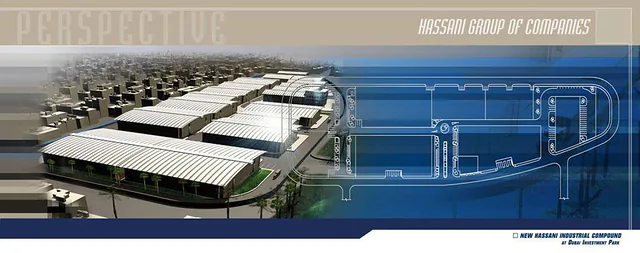
Hassani Group factories & HQ, DIP
Dubai Investments Park (DIP) · MEP · Completed
Factory complex, HQ and staff accommodation, all served from one central cooling station.
2B+G+15 residential tower, IMPZ
Dubai Production City (formerly IMPZ) · MEP · Completed
Full MEP package for a two-basement residential tower with gym.
Frequently asked questions
Which authorities approve drainage systems in Dubai?
Approvals in Dubai typically involve Dubai Electricity & Water Authority, Dubai Municipality, Dubai Civil Defence and Al Sa'fat — Dubai Green Building Evaluation System. Exact routes depend on the plot, the master developer and whether the site sits in a free zone, so we confirm the authority matrix during mobilisation and prepare submissions accordingly.
What buildings need drainage systems in Dubai?
In Dubai, demand mostly comes from villas and townhouses and schools and university buildings. Each type changes system selection, approvals and programme, which is why we review the building use before pricing.
What similar work has Manolia completed near Dubai?
Relevant reference work includes B+G+4 building, Jumeirah (MEP, completed), 2B+G+11 building, Al Nahda Dubai (MEP, completed) and Hassani Group factories & HQ, DIP (MEP, completed). Each reference is listed with its scope and status as recorded in our company profile.
How are basements drained in UAE towers?
Basements below sewer level use sump pits with submersible pumps that lift water to the gravity system. Duty and standby pumps, high-level alarms and non-return valves are standard. Manolia commissions the pumps and alarm signals so failures are detected quickly. Sumps are sized for pump cycling and wash-down volumes.
Do kitchens need grease interceptors?
Generally yes. Commercial kitchens in hotels, restaurants and malls usually require grease interceptors before discharge to the municipal sewer. The municipality inspects them and expects a maintenance regime for emptying. Interceptor size depends on the number of meals served and kitchen equipment.