Drainage systems in Abu Dhabi: local context
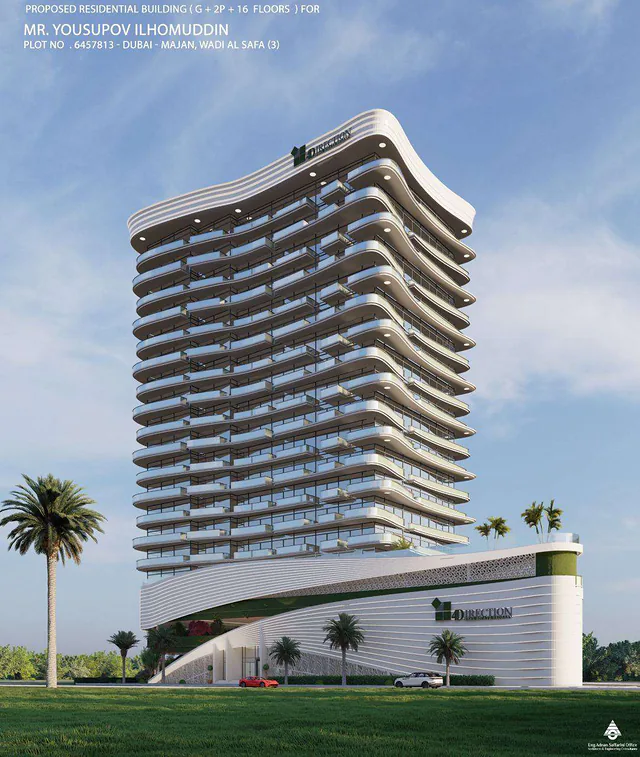
Abu Dhabi's building stock ranges from the 1980s–2000s towers of the downtown grid to the island developments of Al Reem, Saadiyat and Yas, large villa and palace plots in Khalifa City and the suburbs, and heavy industry in Mussafah and KEZAD. Government, education and healthcare buildings make up a larger share of work than in Dubai, alongside private palaces with demanding finish and comfort standards. MEP design here is shaped by Estidama Pearl ratings, ADCDA fire requirements and district cooling on several islands. Manolia has completed palace, school, office tower and industrial work in the emirate and historically ran an Abu Dhabi branch.
Projects typically need a master developer NOC where applicable, then building permit and MEP drawing review through the Department of Municipalities and Transport (DMT) or the relevant municipality, including Estidama Pearl documentation. ADCDA approves fire and life safety drawings and witnesses system tests, while ADDC or AADC approve electrical load and connections. Free zones such as KEZAD run their own permit channel, so the route is confirmed per plot.
- Estidama Pearl ratings apply to new buildings (minimum 1 Pearl, and 2 Pearl for government buildings), which drives chiller efficiency, fresh-air energy recovery, lighting power density, water-efficient fixtures and sub-metering from the concept stage onward.
- Inland sites such as Al Ain and the desert edge see larger day-night temperature swings and heavy dust, so condenser fin spacing, sand-trap louvres and filter maintenance access deserve attention, while island sites face salt and humidity.
Building types we serve in Abu Dhabi
For hotels and serviced apartments, the work concentrates on quiet guestroom fan coils, kitchen and laundry extract, hot-water generation at scale, BMS supervision and phased handover to the operator.
For schools and university buildings, the work concentrates on high fresh-air rates for dense classrooms, quiet systems, holiday-window works in occupied campuses and robust controls.
Approvals and authorities in Abu Dhabi
Drainage systems in Abu Dhabi sits within Abu Dhabi's regulatory framework. The authorities you will meet are:
- Abu Dhabi Distribution Company (ADDC)
- Al Ain Distribution Company (AADC)
- Abu Dhabi Department of Municipalities and Transport (DMT)
- Abu Dhabi Civil Defence Authority (ADCDA)
- Estidama Pearl Rating System (Estidama)
Scope of work
- Soil and waste stacks in towers with offsets, access points and stack venting arranged so traps are not siphoned when many floors discharge together.
- Below-ground drainage with manholes, inspection chambers and connection to the municipal sewer or to a septic or treatment arrangement where no sewer exists.
- Basement sump pits with duty and standby submersible pumps, high-level alarms and non-return valves to handle car park wash-down and ingress water.
- AC condensate drainage collected from AHUs and fan coils, routed with trapped connections and, where specified, reused for irrigation.
- Grease interceptors for kitchens and oil interceptors for car parks and workshops before discharge to the public system.
Systems we install
- Cast iron or acoustic pipes for noise-sensitive stacks in hotels
- Condensate collection and reuse lines
- Manholes, inspection chambers and gully traps
UAE site and climate challenges
- Condensate from large AHUs produces significant volumes of clean water every summer day, so it is collected and, where the design allows, reused for irrigation instead of being discharged to sewer.
- Construction debris, cement slurry and sand easily enter open floor drains and stacks, causing blockages soon after occupation, so drains are capped during works and lines are flushed and inspected before handover.
Decisions to make early
- Condensate reuse, which saves irrigation water every summer day but needs collection pipework, storage, filtration and coordination with landscaping contractors and the irrigation programme.
- Siphonic versus conventional roof drainage for large malls and warehouses, where siphonic reduces pipe sizes and below-ground runs but requires precise design and installation.
Relevant Manolia projects
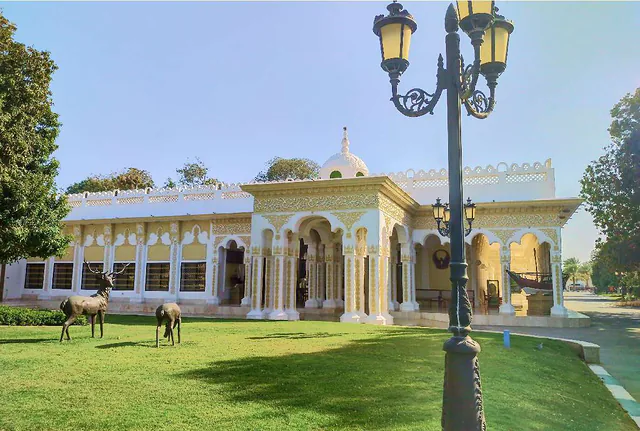
Al Bahar Palace, Abu Dhabi
Abu Dhabi · HVAC · Completed
HVAC design & installation, fresh/extract air, plus swimming-pool works.
Aircraft-maintenance training school, Abu Dhabi
Abu Dhabi · MEP · Completed
MEP package for a technical training facility near Abu Dhabi Airport; separate AMC for A/C and plumbing.
International Clear Packaging factory, Abu Dhabi
KEZAD (Khalifa Economic Zones Abu Dhabi) · HVAC · Completed
HVAC for a factory in a specialised economic zone.
28-storey tower, Abu Dhabi
Abu Dhabi · MEP · Completed
MEP works for a 28-storey tower.
Frequently asked questions
Which authorities approve drainage systems in Abu Dhabi?
Approvals in Abu Dhabi typically involve Abu Dhabi Distribution Company, Al Ain Distribution Company, Abu Dhabi Department of Municipalities and Transport and Abu Dhabi Civil Defence Authority. Exact routes depend on the plot, the master developer and whether the site sits in a free zone, so we confirm the authority matrix during mobilisation and prepare submissions accordingly.
What buildings need drainage systems in Abu Dhabi?
In Abu Dhabi, demand mostly comes from hotels and serviced apartments and schools and university buildings. Each type changes system selection, approvals and programme, which is why we review the building use before pricing.
Does Manolia work in Abu Dhabi?
Yes. Abu Dhabi is in Abu Dhabi, about 1.5 hours by road from Dubai; Manolia has historically run an Abu Dhabi branch. Site teams are mobilised from our Dubai headquarters with supervision, QA/QC and HSE staff assigned to each project.
What similar work has Manolia completed near Abu Dhabi?
Relevant reference work includes Al Bahar Palace, Abu Dhabi (HVAC, completed), Aircraft-maintenance training school, Abu Dhabi (MEP, completed) and International Clear Packaging factory, Abu Dhabi (HVAC, completed). Each reference is listed with its scope and status as recorded in our company profile.
How are basements drained in UAE towers?
Basements below sewer level use sump pits with submersible pumps that lift water to the gravity system. Duty and standby pumps, high-level alarms and non-return valves are standard. Manolia commissions the pumps and alarm signals so failures are detected quickly. Sumps are sized for pump cycling and wash-down volumes.
Do kitchens need grease interceptors?
Generally yes. Commercial kitchens in hotels, restaurants and malls usually require grease interceptors before discharge to the municipal sewer. The municipality inspects them and expects a maintenance regime for emptying. Interceptor size depends on the number of meals served and kitchen equipment.