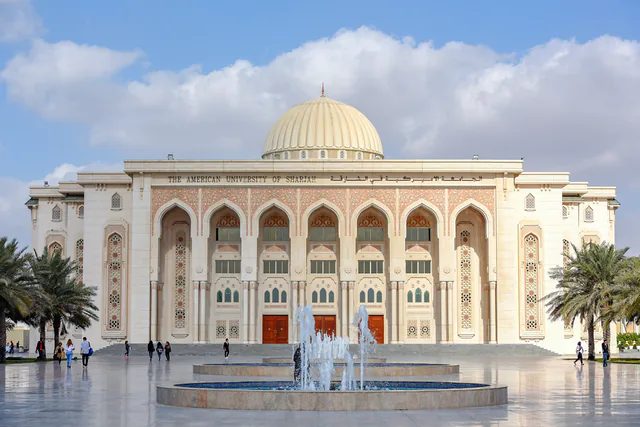
MEP design and build in Jebel Ali: local context
Jebel Ali hosts the port and the Jebel Ali Free Zone (JAFZA), one of the region's largest logistics and industrial hubs, alongside industrial areas and staff housing. Building stock is dominated by warehouses, factories, cold stores and labour accommodation. Manolia completed MEP works for a Technopark warehouse here. Operations here run around the clock, so works inside existing facilities are planned to avoid disrupting logistics.
- Projects typically go through Trakhees for building and fire approvals in its zones, with Dubai Municipality covering other plots; the channel depends on the plot location.
- Proximity to the coast and port means salt in the air, so external equipment, cable trays and supports need corrosion protection.
- Fire protection for high-piled storage involves high-flow sprinkler systems, large tanks and diesel or electric fire pumps sized for warehouse hazard classes.
Building types we serve in Jebel Ali
For warehouses and logistics buildings, the work concentrates on high-bay sprinklers or in-rack protection, smoke venting, dock and office HVAC, and LV for racking, lighting and material handling.
Approvals and authorities in Jebel Ali
MEP design and build in Jebel Ali sits within Dubai's regulatory framework. The authorities you will meet are:
- Trakhees (PCFC) (Trakhees)
- Dubai Municipality (DM)
- Dubai Civil Defence (DCD)
- Dubai Electricity & Water Authority (DEWA)
- Al Sa'fat — Dubai Green Building Evaluation System (Al Sa'fat)
- UAE Fire & Life Safety Code of Practice (UAE FLSC)
- ASHRAE standards (62.1, 90.1) (ASHRAE)
Scope of work
- Cooling and heating load calculations, ventilation rates, electrical load schedules, water demand and drainage fixture-unit calculations for authority and utility submission.
- Selection of the HVAC approach, whether district cooling connection, central chilled water, VRF or packaged units, based on loads, plot constraints and lifecycle cost.
- Development of detailed design into coordinated shop drawings, with clash detection between ducts, pipes, cable trays and structure before procurement.
- Procurement of equipment against the design intent, with submittals that keep selections inside the calculated duties rather than swapping in undersized alternatives.
Systems we install
- Fire sprinklers, hydrants, hose reels and addressable fire alarm systems.
- Building management system, metering and controls integration across all mechanical and electrical plant.
UAE site and climate challenges
- Solar gain through glazing on west and south facades dominates perimeter loads. Our load models use the actual facade specification and orientation, and perimeter zones are separated so a sunlit side does not overcool the shaded interior.
- Water supply in many areas relies on storage tanks that heat up in summer. We design tank locations, insulation and circulation to manage stored-water temperature and Legionella risk, and size cold-water storage to authority requirements.
- Water-cooled versus air-cooled chillers: water-cooled plant is more efficient in UAE heat but needs cooling towers, water treatment and make-up water; air-cooled is simpler and usual for mid-size buildings without water allowances.
Relevant Manolia projects
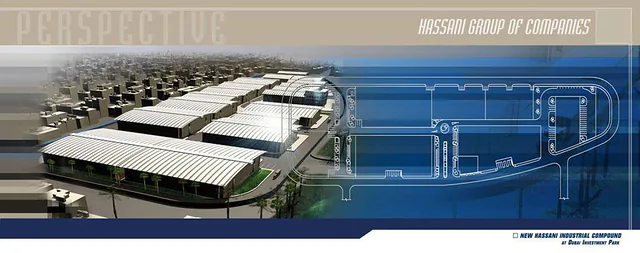
Hassani Group factories & HQ, DIP
Dubai Investments Park (DIP) · MEP · Completed
Factory complex, HQ and staff accommodation, all served from one central cooling station.
2B+G+15 residential tower, IMPZ
Dubai Production City (formerly IMPZ) · MEP · Completed
Full MEP package for a two-basement residential tower with gym.
Frequently asked questions
Which authorities approve MEP design and build in Jebel Ali?
Approvals in Jebel Ali typically involve Trakhees (PCFC), Dubai Municipality, Dubai Civil Defence and Dubai Electricity & Water Authority. Exact routes depend on the plot, the master developer and whether the site sits in a free zone, so we confirm the authority matrix during mobilisation and prepare submissions accordingly.
Does design and build reduce MEP costs?
It often reduces wasted cost from redesign, clashes and variations, because design and installation are aligned. It does not automatically mean cheaper equipment. Clients should review the design basis and equipment schedules to confirm the quality level they expect.