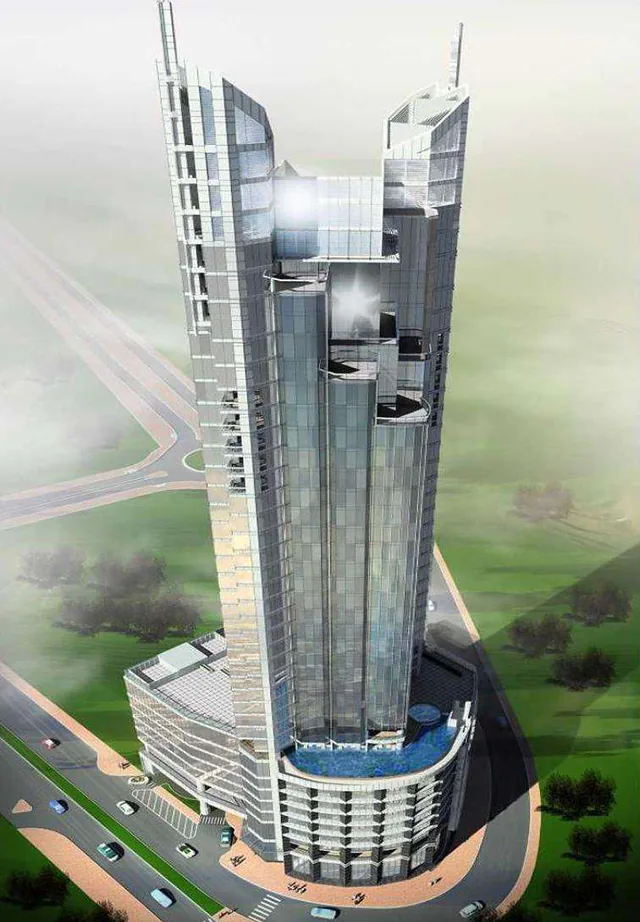
Hotel MEP contracting in Dubai: local context
Dubai's building stock runs from the 1970s–90s low- and mid-rise blocks of Deira and Bur Dubai to the master-planned tower districts of Business Bay, Dubai Marina and JLT, with villa communities, logistics parks and free zones filling the corridor towards Jebel Ali and Dubai South. Almost every typology is built here at once: residential towers, hotels, clinics, schools, factories, cold stores and staff accommodation. What sets MEP apart in Dubai is the number of approval channels that sit side by side (Dubai Municipality, Trakhees, free-zone authorities and master developers) and the density of district cooling in the newer districts. Manolia has been headquartered here since 2001, so Dubai is where most of its track record sits.
MEP approvals typically start with the master developer or free-zone NOC where one applies, followed by building permit drawings through Dubai Municipality or the relevant zone authority (Trakhees, DDA, DMCC, DSOA, Dubai South). Fire and life safety drawings go to Dubai Civil Defence for approval and later inspection, while DEWA handles load approval, connection and metering; district cooling connections, where available, are agreed separately with the provider. The exact sequence varies by plot and authority, so it is confirmed per project.
- Fire and life safety work follows the UAE Fire & Life Safety Code under Dubai Civil Defence, with approved-material listings, staged drawing approvals and witnessed testing of sprinklers, fire alarm, smoke management and stair pressurisation before completion certificates.
- New buildings fall under Al Sa'fat green building requirements, which shape envelope assumptions, chiller and AHU efficiency, lighting controls, water-saving fixtures and metering, so energy and water targets have to be built into the MEP design rather than retrofitted.
Building types we serve in Dubai
For hotels and serviced apartments, the work concentrates on quiet guestroom fan coils, kitchen and laundry extract, hot-water generation at scale, BMS supervision and phased handover to the operator.
District cooling in Dubai is supplied by providers such as Empower and Emicool, so many projects connect through an energy transfer station rather than building a chiller plant.
Approvals and authorities in Dubai
Hotel MEP in Dubai sits within Dubai's regulatory framework. The authorities you will meet are:
- Dubai Municipality (DM)
- Dubai Civil Defence (DCD)
- Dubai Electricity & Water Authority (DEWA)
- Al Sa'fat — Dubai Green Building Evaluation System (Al Sa'fat)
- UAE Fire & Life Safety Code of Practice (UAE FLSC)
Scope of work
- Guest-room HVAC with low-noise fan coil units, dehumidified fresh-air supply and controls linked to key-card or occupancy sensing to set back unoccupied rooms.
- Central chiller plant or district cooling connection with standby chillers and pumps, so a single equipment failure does not affect guest comfort in peak summer.
- Domestic hot water plant with return circulation, insulated distribution and stored temperatures set to control Legionella while thermostatic mixing protects guests at outlets.
- Kitchen extract, make-up air and fire-rated grease ductwork, coordinated with hood suppression systems, fire alarm interfaces and access points for duct cleaning.
- Testing, commissioning and staged handover matched to the operator's pre-opening programme, including mock-up rooms approved before typical floors are installed.
Systems we install
- Four-pipe or two-pipe fan coil systems for guest rooms and corridors.
- Fresh-air handling units with heat recovery wheels or plate exchangers where justified.
- Kitchen hoods, grease extract fans, make-up air units and wet-chemical suppression.
UAE site and climate challenges
- Hotels run cooling year-round, and summer peak demand leaves little margin. We design plant with redundancy so one failed chiller or pump does not affect guest comfort during peak heat.
- Pools and spas add humidity and chlorine-laden air that corrode ducts, fixings and electrical fittings. Pool-hall dehumidification, slightly negative pressure and stainless or coated materials protect the structure, finishes and equipment.
Decisions to make early
- Central plant versus district cooling: district cooling frees roof or basement space and removes chiller maintenance, but the hotel commits to long-term tariffs and depends on the provider's service.
- Heat recovery on fresh air: with the large fresh-air volumes hotels need, recovery devices cut cooling load significantly, but add equipment, filters and maintenance that the operator must budget for.
Relevant Manolia projects
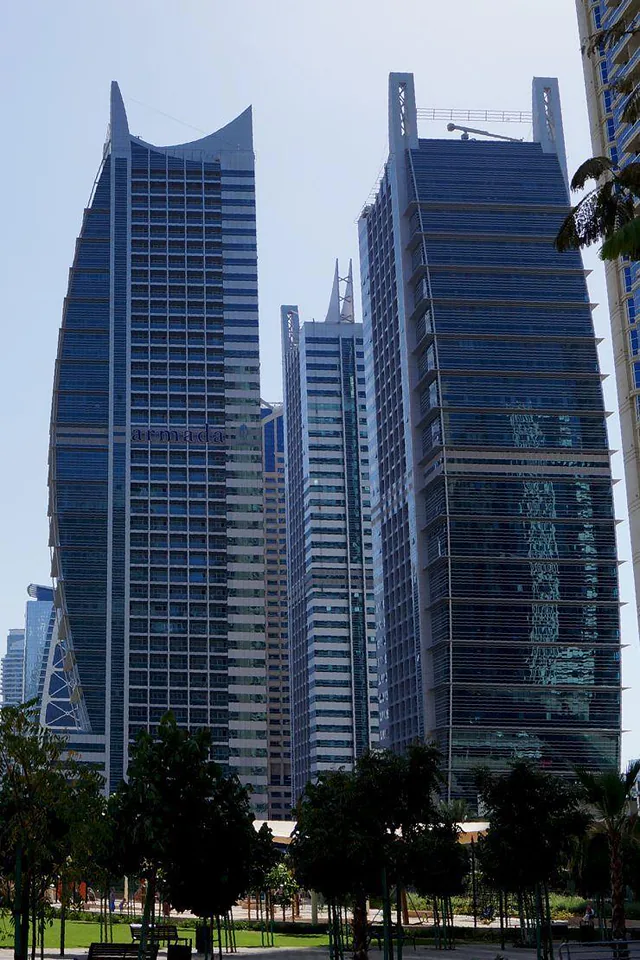
Armada Tower hotel, JLT
Jumeirah Lakes Towers (JLT) · MEP · Completed
MEP for the hotel tower of the three-building Armada Towers cluster.
G+14 hotel, Sharjah
Sharjah · HVAC & Firefighting · Completed
HVAC and fire-fighting package for a 14-storey hotel.
Frequently asked questions
Which authorities approve hotel MEP in Dubai?
Approvals in Dubai typically involve Dubai Municipality, Dubai Civil Defence, Dubai Electricity & Water Authority and Al Sa'fat — Dubai Green Building Evaluation System. Exact routes depend on the plot, the master developer and whether the site sits in a free zone, so we confirm the authority matrix during mobilisation and prepare submissions accordingly.
What buildings need hotel MEP in Dubai?
In Dubai, demand mostly comes from hotels and serviced apartments. Each type changes system selection, approvals and programme, which is why we review the building use before pricing.
Is district cooling available in Dubai?
District cooling is common in Dubai, with Empower and Emicool among the providers. Connection terms, energy-transfer-station design and capacity are agreed per plot with the provider, so the HVAC design should confirm availability before choosing between a connection and a dedicated chiller plant.
What similar work has Manolia completed near Dubai?
Relevant reference work includes Armada Tower hotel, JLT (MEP, completed) and G+14 hotel, Sharjah (HVAC & Firefighting, completed). Each reference is listed with its scope and status as recorded in our company profile.
What makes hotel MEP different from residential MEP?
Hotels run continuously, have hundreds of similar but individually controlled rooms, and include kitchens, laundries, pools and spas. Reliability, noise control, hot water performance and life safety are more demanding, and systems often have to satisfy an international operator's brand standards on top of UAE code requirements.
How is Legionella controlled in hotel water systems?
By storing and circulating hot water at proper temperatures, avoiding dead legs, insulating hot and cold pipes, flushing outlets in unoccupied rooms and maintaining tanks and showerheads. Monitoring and sampling are part of the operator's water management plan, which our O&M documentation supports.