Renovation and retrofit MEP in Ajman: local context
Ajman is the smallest emirate by area, with a compact city of mid- and high-rise residential towers along the corniche and Al Nuaimiya-type districts, plus the Al Jurf industrial zone towards the Emirates Road. Much of its residential stock is value-oriented housing for people commuting to Sharjah and Dubai, with hotels along the beachfront and workshops and warehouses inland. MEP budgets are often tighter than in Dubai, which puts the emphasis on robust, maintainable systems such as packaged and split units, VRF and straightforward chilled-water plants. Manolia has delivered HVAC and design work here.
MEP drawings are typically submitted to Ajman Municipality and Planning as part of the building permit, with Civil Defence (Ministry of Interior) approving fire and life safety drawings and inspecting before occupancy. Etihad WE handles electrical load approval and connections. Requirements vary between plots and zones, so the sequence is confirmed for each project.
- Electricity and water are supplied by Etihad Water & Electricity (formerly FEWA), whose load approval, transformer room and metering requirements differ from DEWA and SEWA and must be checked before the electrical design is frozen.
- Beachfront towers face salt-laden air and high humidity, so outdoor units on balconies and roofs need coated coils and accessible maintenance positions, and drainage of condensate must be planned rather than left to discharge on facades.
Building types we serve in Ajman
For hotels and serviced apartments, the work concentrates on quiet guestroom fan coils, kitchen and laundry extract, hot-water generation at scale, BMS supervision and phased handover to the operator.
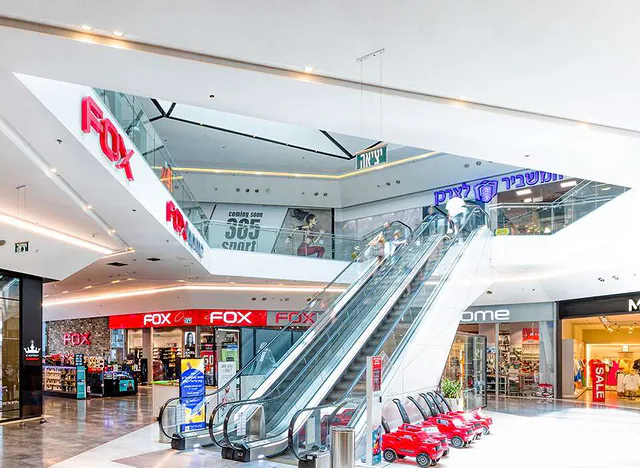
For malls and retail centres, the work concentrates on large-volume air handling, tenant-ready chilled water or refrigerant capacity, smoke extraction for atriums and car parks and food-court exhaust.
Approvals and authorities in Ajman
MEP renovation in Ajman sits within Ajman's regulatory framework. The authorities you will meet are:
- Ajman Municipality & Planning Department (Ajman Municipality)
- UAE Civil Defence (Ministry of Interior) (Civil Defence)
- Etihad Water & Electricity (formerly FEWA) (Etihad WE)
- UAE Fire & Life Safety Code of Practice (UAE FLSC)
Scope of work
- Site survey of existing MEP systems, recording installed equipment, condition, nameplate capacities and every deviation from the old drawings, often with opening-up of ceilings at sample locations.
- Fit-out MEP for offices, shops, restaurants, clinics and apartments within existing buildings, connected to base-building systems according to landlord technical requirements.
- Modification of fire alarm, sprinklers and smoke control to suit new partitions and ceilings, with drawings submitted for Civil Defence approval where layouts change.
- Coordination with building management for permits to work, isolations, noise windows, lift use and protection of common areas during the works.
- Testing, commissioning and as-built documentation of all new and modified systems, including re-balancing of the existing systems affected by the changes.
Systems we install
- Replacement air-cooled or water-cooled chillers and their pumps.
- New AHUs, fresh-air units and fan coil units in existing ceiling voids.
- New main panels, distribution boards and upgraded cabling for added loads.
UAE site and climate challenges
- Older UAE buildings often have undersized or poorly dehumidified fresh-air systems, causing mould, musty smells and sweating grilles. Retrofits add dedicated fresh-air units with proper dehumidification instead of simply enlarging fan coils.
- Dust from demolition inside an occupied building spreads through return-air systems and contaminates coils and filters. We seal work zones, isolate returns and replace filters after dusty works before returning systems to normal operation.
Decisions to make early
- Reusing existing distribution versus full replacement: reusing ducts and pipes saves cost and disruption, but may limit airflow, pressure and future capacity if they were undersized or corroded.
- Keeping the old refrigerant or converting: older systems on phased-out refrigerants become expensive to recharge and repair, so converting to current refrigerants during a renovation often saves money over the remaining building life.
Relevant Manolia projects
G+6 building, Ajman
Ajman · HVAC · Completed
HVAC installation for a mid-rise residential building.
42-building complex, mall & hotel, Ajman (design)
Ajman · MEP Design · Design
MEP design for a mixed-use masterplan including a 5-star hotel.
Frequently asked questions
Which authorities approve MEP renovation in Ajman?
Approvals in Ajman typically involve Ajman Municipality & Planning Department, UAE Civil Defence (Ministry of Interior), Etihad Water & Electricity (formerly FEWA) and UAE Fire & Life Safety Code of Practice. Exact routes depend on the plot, the master developer and whether the site sits in a free zone, so we confirm the authority matrix during mobilisation and prepare submissions accordingly.
What buildings need MEP renovation in Ajman?
In Ajman, demand mostly comes from hotels and serviced apartments and malls and retail centres. Each type changes system selection, approvals and programme, which is why we review the building use before pricing.
Does Manolia work in Ajman?
Yes. Ajman is in Ajman, roughly 30–60 minutes from Dubai via Sharjah. Site teams are mobilised from our Dubai headquarters with supervision, QA/QC and HSE staff assigned to each project.
What similar work has Manolia completed near Ajman?
Relevant reference work includes G+6 building, Ajman (HVAC, completed) and 42-building complex, mall & hotel, Ajman (design) (MEP Design, design). Each reference is listed with its scope and status as recorded in our company profile.
Do fit-outs require Civil Defence approval?
Fit-outs that change fire alarm devices, sprinkler layouts or smoke control usually require approval, and many landlords require it before handing over a unit. Requirements vary by emirate, free zone and building, so we confirm the route with the landlord and consultant before work starts.
Can existing chillers support new loads?
Only if genuine spare capacity exists at peak summer conditions, not just on paper. We review nameplate data, operating logs and measured temperatures, and check pumps and pipework too. If capacity is insufficient, options include plant upgrades, separate units or reducing loads elsewhere.