Plumbing contracting in Jumeirah Lakes Towers (JLT): local context
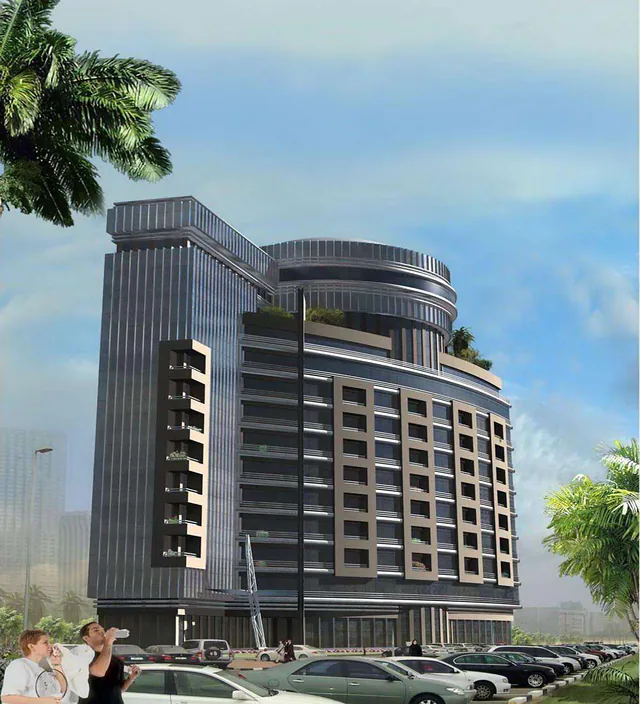
Jumeirah Lakes Towers is a DMCC free-zone district of around 80 towers arranged in clusters around artificial lakes, opposite Dubai Marina along Sheikh Zayed Road. Built mostly in the late 2000s, it mixes office, residential and hotel towers with ground-level retail and clinics. Manolia completed the MEP works for the Armada hotel tower (G+50) and MEP for the Armada surgical centre here.
- Empower supplies district cooling to much of JLT, so tower scopes typically include energy transfer stations, secondary chilled-water pumping, and careful control of return temperature to keep tariffs and plant performance in check.
- Healthcare fit-outs, such as surgical centres, need dedicated fresh-air AHUs, pressure cascades between clean and dirty areas, medical gas coordination and essential power arrangements.
- Clusters share podiums and access roads, so loading bays, hoist time and crane positions are negotiated with neighbouring towers and cluster management.
Building types we serve in Jumeirah Lakes Towers (JLT)
For malls and retail centres, the work concentrates on large-volume air handling, tenant-ready chilled water or refrigerant capacity, smoke extraction for atriums and car parks and food-court exhaust.
Approvals and authorities in Jumeirah Lakes Towers (JLT)
Plumbing contracting in Jumeirah Lakes Towers (JLT) sits within Dubai's regulatory framework. The authorities you will meet are:
- Dubai Electricity & Water Authority (DEWA)
- DMCC Authority (DMCC)
- Dubai Civil Defence (DCD)
- Al Sa'fat — Dubai Green Building Evaluation System (Al Sa'fat)
Scope of work
- Installation of cold-water supply from the utility meter to storage tanks and distribution.
- Pressure reducing valves on lower floors of towers to keep pressures within fixture limits.
- Utility inspections and water connection approvals.
- Backflow prevention at connections to irrigation, cooling tower make-up and other non-potable uses so contaminated water cannot return to drinking supplies.
Systems we install
- Hot water calorifiers, heat pumps and solar systems
- PPR, copper or stainless steel pipework
UAE site and climate challenges
- Roof tanks absorb solar heat and can raise water temperature, increasing Legionella risk, so tanks are insulated, shaded where possible and sized for good turnover.
- Hot water recirculation loops in hotels lose heat slowly in UAE ambient, but long dead legs can still stagnate at warm temperatures, so loops are designed to keep water moving and avoid Legionella-friendly conditions.
- Pressure zoning strategy in towers, using pressure reducing valves on lower floors or separate pump sets per zone, trading installation simplicity against pumping energy and control precision.
Relevant Manolia projects
Deluxe villa, Emirates Hills
Emirates Hills · Electrical · Completed
Electrical and plumbing works for a high-end private villa.
200 villas, Emirates Hills
Emirates Hills · MEP · Completed
MEP works across a 200-villa residential package.
Frequently asked questions
Which authorities approve plumbing contracting in Jumeirah Lakes Towers (JLT)?
Approvals in Jumeirah Lakes Towers (JLT) typically involve Dubai Electricity & Water Authority, DMCC Authority, Dubai Civil Defence and Al Sa'fat — Dubai Green Building Evaluation System. Exact routes depend on the plot, the master developer and whether the site sits in a free zone, so we confirm the authority matrix during mobilisation and prepare submissions accordingly.
What similar work has Manolia completed near Jumeirah Lakes Towers (JLT)?
Relevant reference work includes Deluxe villa, Emirates Hills (Electrical, completed). Each reference is listed with its scope and status as recorded in our company profile.
Why do top floors in some towers have low water pressure?
Low pressure on upper floors usually comes from undersized or poorly set booster pumps, or roof tanks too close to the highest outlets to give useful gravity head. Lower floors often suffer the opposite, with excess pressure damaging mixers. Proper pressure zoning, booster sizing and commissioning of pressure reducing valves give stable pressure throughout the building.