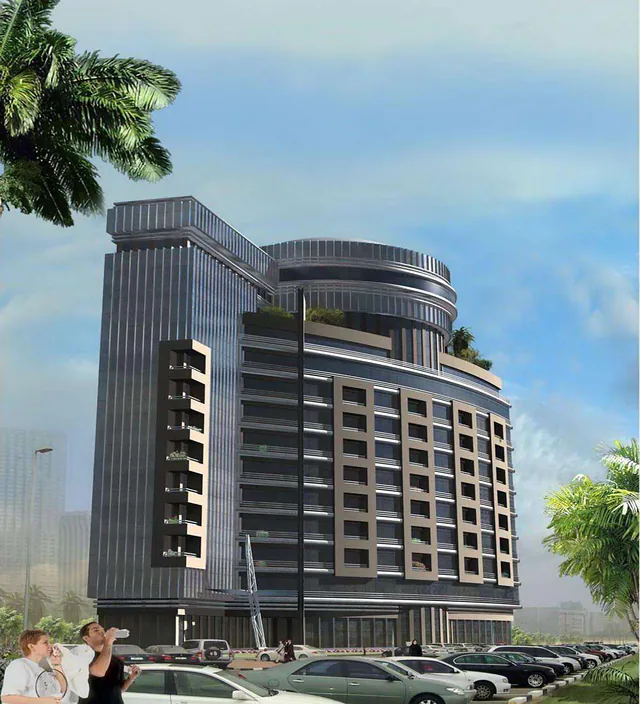
Scope of work
- Water demand and pressure review, including fixture units and pressure zoning for tall buildings.
- Installation of cold-water supply from the utility meter to storage tanks and distribution.
- Hot water generation via central calorifiers, heat pumps or point-of-use heaters.
- Pressure reducing valves on lower floors of towers to keep pressures within fixture limits.
- Installation of sanitary fixtures and fittings, including water-saving devices.
- Pressure testing, flushing and disinfection before handover.
- Utility inspections and water connection approvals.
- Backflow prevention at connections to irrigation, cooling tower make-up and other non-potable uses so contaminated water cannot return to drinking supplies.
Systems we install
- Cold-water storage tanks and transfer pumps
- Booster pump sets with variable speed drives
- Hot water calorifiers, heat pumps and solar systems
- Pressure reducing valve stations
- PPR, copper or stainless steel pipework
- Water-saving sanitary fixtures
- Thermostatic mixing valves to limit hot water temperature at outlets
Codes, standards and approvals
- DEWA, SEWA, ADDC/AADC or Etihad WE requirements for water connections and metering.
- Al Sa'fat and Estidama Pearl water-efficiency requirements for fixtures.
- Municipality plumbing and public health regulations.
- UAE Fire & Life Safety Code where domestic and fire water storage interfaces.
- Trakhees, DDA or master developer water connection procedures for projects within their communities.
- ASHRAE and public health guidance on Legionella control, commonly referenced by consultants for hot water storage temperatures and recirculation design.
UAE site and climate challenges
- Cold-water pipes in roofs and external walls heat up in summer, so insulation and internal routing reduce the familiar problem of hot water coming out of cold taps in the afternoon.
- Roof tanks absorb solar heat and can raise water temperature, increasing Legionella risk, so tanks are insulated, shaded where possible and sized for good turnover.
- Hard water in some supplies causes scale in heaters, mixers and shower heads, so water treatment or softening is considered for hotels and premium residences.
- Hot water recirculation loops in hotels lose heat slowly in UAE ambient, but long dead legs can still stagnate at warm temperatures, so loops are designed to keep water moving and avoid Legionella-friendly conditions.
- High summer water demand from showers, laundry and cooling-related uses coincides with lower utility pressure in some areas, so storage, booster capacity and refilling arrangements are checked against peak days rather than average consumption.
Decisions to make early
- Central versus decentralised hot water: central calorifier systems are efficient and give consistent temperatures in hotels, while individual heaters suit apartments, avoid long recirculation loops and simplify billing.
- Pipe material: PPR is economical and corrosion-resistant, while copper and stainless steel last longer and tolerate higher temperatures and pressures but cost more to buy and install.
- Pressure zoning strategy in towers, using pressure reducing valves on lower floors or separate pump sets per zone, trading installation simplicity against pumping energy and control precision.
- Solar or heat pump hot water versus electric heaters: renewable options lower running costs and support green building credits, but need roof space and higher upfront investment.
- Riser and meter strategy for apartments: individual meters per unit enable direct billing but need accessible meter cabinets on every floor, while bulk metering is simpler but shifts billing to the building management.
What you receive at handover
- Pressure test and disinfection certificates
- Water analysis report
- As-built plumbing drawings
- Pump commissioning records
- O&M manuals and warranty documents
- Hot water temperature and recirculation test record
How we deliver: 8 stages
- 01Appointment & review
- 02Mobilisation & approvals
- 03Planning
- 04Engineering & shop drawings
- 05Procurement & execution
- 06Monitoring & reporting
- 07Quality inspection
- 08Testing, commissioning & handover
Why clients appoint Manolia
Manolia Group has delivered MEP and building contracts in the UAE since 2001: more than 100 projects and over AED 1.1 billion of completed work, including towers above 50 floors. Delivery follows an 8-stage process under a QMS structured to ISO 9001 requirements, with HSE controls and in-house engineering for shop drawings, coordination and commissioning.
Relevant Manolia projects
Deluxe villa, Emirates Hills
Emirates Hills · Electrical · Completed
Electrical and plumbing works for a high-end private villa.
Palace A/C & plumbing maintenance, Abu Dhabi
Abu Dhabi · Maintenance · Completed
Annual A/C and plumbing maintenance for royal palaces.
AUS library floor renovation (3,200 m²)
University City (Sharjah) · MEP · Completed
Electrical, plumbing, A/C and finishes in a live university building.
Frequently asked questions
Why do top floors in some towers have low water pressure?
Low pressure on upper floors usually comes from undersized or poorly set booster pumps, or roof tanks too close to the highest outlets to give useful gravity head. Lower floors often suffer the opposite, with excess pressure damaging mixers. Proper pressure zoning, booster sizing and commissioning of pressure reducing valves give stable pressure throughout the building.
Has Manolia carried out plumbing on hotels and accommodation?
Yes. Manolia's record includes plumbing for a G+2 labour accommodation building and a G+M+5 hotel in Sharjah, plus plumbing within full MEP packages on Sharjah and Dubai towers. Hotels and accommodation have high simultaneous demand at mornings and evenings, so storage, pump capacity and hot water recovery are sized for those peaks rather than daily averages.
How is hot water handled in large buildings?
Options include central calorifiers with recirculation, heat pumps, solar-assisted systems or point-of-use electric heaters. Hotels typically use central systems for consistent temperature at every room, while apartments often use individual heaters. Manolia reviews recovery capacity, recirculation balancing and safe outlet temperatures with thermostatic mixing where scalding risk exists.
What is disinfection of new water systems?
Before handover, tanks and pipework are flushed and chlorinated to remove contamination introduced during construction, such as dust, debris and biofilm. After the specified contact period, the system is flushed again and samples are tested by a laboratory. Results are included in the handover file and are often requested by the municipality.
Do you maintain plumbing systems after handover?
Yes. Manolia offers annual maintenance contracts covering pumps, pressure reducing valves, heaters, tanks and fixtures. Planned visits typically include pump inspections, pressure checks, valve exercising, tank cleaning coordination and leak inspection, and can be combined with HVAC and electrical maintenance under one contract.