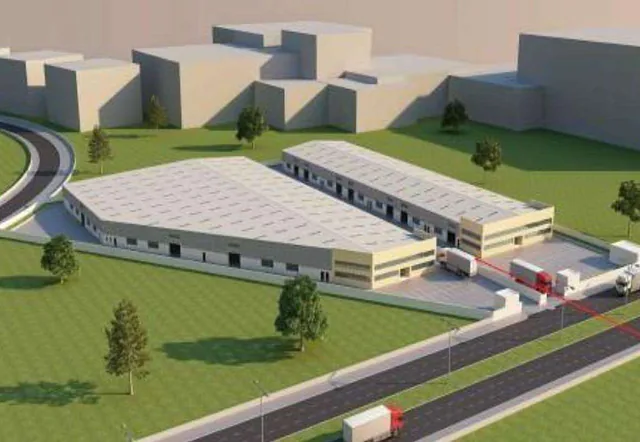
Warehouse and cold store MEP in Al Qusais: local context
Al Qusais combines a long-established industrial area of warehouses, workshops and trading stores with residential mid-rise blocks, staff accommodation and schools, just north of Dubai International Airport and close to the Sharjah border. Much of the building stock dates from the 1980s–2000s and is being steadily refurbished or replaced plot by plot. It is a working district where trucks, buses and residents share the same streets.
- Older warehouses and workshops typically need new main distribution boards, cable upgrades and sometimes additional DEWA capacity before new tenants with heavier machinery or cold rooms can move in.
- Staff accommodation blocks need generously sized domestic water storage, hot-water generation, drainage stacks and kitchen extract designed for high, simultaneous occupancy at shift changes.
- Proximity to the airport flight path can restrict crane and mobile-crane heights, so lifting of rooftop chillers and packaged units may need aviation-related permissions and planning.
Building types we serve in Al Qusais
For warehouses and logistics buildings, the work concentrates on high-bay sprinklers or in-rack protection, smoke venting, dock and office HVAC, and LV for racking, lighting and material handling.
Approvals and authorities in Al Qusais
Warehouse MEP in Al Qusais sits within Dubai's regulatory framework. The authorities you will meet are:
- Dubai Municipality (DM)
- Dubai Civil Defence (DCD)
- Dubai Electricity & Water Authority (DEWA)
- Al Sa'fat — Dubai Green Building Evaluation System (Al Sa'fat)
- UAE Fire & Life Safety Code of Practice (UAE FLSC)
Scope of work
- Assessment of storage type, racking height, commodity class and temperature requirements to define the fire protection and cooling strategy with the consultant.
- Cold room and chiller room provisions coordinated with refrigeration specialists, including power supplies, evaporator drainage, panel penetrations and door heater circuits.
- LV distribution for lighting, dock levellers, roller shutters, forklift charging areas with their own ventilation, and general building services.
- High-bay LED lighting with aisle-by-aisle zoning and occupancy controls set so forklift routes stay safely lit while empty aisles dim.
Systems we install
- Cold room evaporator drainage with heat-traced lines inside freezer areas.
- High-bay LED lighting with occupancy and daylight controls.
UAE site and climate challenges
- Dock doors open frequently, letting hot humid air into cooled or cold zones. Air curtains, dock seals and strip curtains reduce infiltration and condensation near doors.
- Cold stores in humid climates suffer ice build-up and condensation at panel joints and door frames. Heated door frames, vapour-tight sealing and controlled anterooms reduce moisture problems.
- Ceiling-only versus in-rack sprinklers: the choice depends on racking height and commodity class, and in-rack systems add cost, maintenance and the risk of forklift damage to pipework.
Relevant Manolia projects
Cold store (flower plant), DIP
Dubai Investments Park (DIP) · HVAC · Completed
HVAC and refrigeration-environment works for a temperature-controlled facility.
Warehouse, Technopark Dubai
Jebel Ali · MEP · Completed
MEP for a logistics warehouse in the Jebel Ali / Technopark corridor.
Frequently asked questions
Which authorities approve warehouse MEP in Al Qusais?
Approvals in Al Qusais typically involve Dubai Municipality, Dubai Civil Defence, Dubai Electricity & Water Authority and Al Sa'fat — Dubai Green Building Evaluation System. Exact routes depend on the plot, the master developer and whether the site sits in a free zone, so we confirm the authority matrix during mobilisation and prepare submissions accordingly.
What fire protection does a warehouse need?
It depends on storage height, commodity type, packaging and building size. Many warehouses need sprinklers, hydrants and fire alarm systems, and high racking may require in-rack sprinklers. The consultant's fire strategy and Civil Defence approval define the exact requirements, which should be fixed before racking is ordered.