
MEP testing and commissioning in Sharjah: local context
Sharjah combines a dense band of 20–30 storey residential towers along Al Nahda, Al Taawun, Al Khan and Al Majaz with older mid-rise stock, large industrial areas and newer master-planned communities such as Aljada and Tilal City further inland. Much of its housing serves people who work in Dubai, so residential towers with podium car parks dominate the urban core. MEP work here is shaped by SEWA utility requirements, Sharjah Civil Defence review, and a high share of retrofit and replacement work in buildings that are 15–30 years old. Manolia has a long record in Sharjah, from residential towers to the American University of Sharjah campus.
MEP drawings typically go through Sharjah Municipality as part of the building permit, with Sharjah Civil Defence approving fire and life safety designs and inspecting installed systems before occupancy. SEWA handles electrical load, water and gas connection approvals and final inspections. In free zones or master-planned communities, a developer or zone NOC usually comes first; the route is confirmed per plot.
- SEWA supplies electricity, water and in many areas gas, so load applications, water tank arrangements and metering follow SEWA's own standards and inspections rather than Dubai practice; contractors moving from Dubai should not assume the same details carry over.
- Sites are 20–60 minutes from Manolia's Dubai base depending on traffic on the Al Ittihad and Emirates roads, so deliveries and manpower movements are timed around the peak commuting hours.
Building types we serve in Sharjah
For villas and townhouses, the work concentrates on ducted split or VRF systems, roof tanks and booster pumps, hot water, pool plant and clean concealed routing that respects architectural finishes.
For office buildings, the work concentrates on VAV or FCU zoning for flexible floor plates, tenant fit-out interfaces, energy metering and BMS integration.
Approvals and authorities in Sharjah
MEP testing and commissioning in Sharjah sits within Sharjah's regulatory framework. The authorities you will meet are:
- Sharjah Municipality (SM)
- Sharjah Civil Defence (SCD)
- Sharjah Electricity, Water & Gas Authority (SEWA)
- UAE Fire & Life Safety Code of Practice (UAE FLSC)
- ASHRAE standards (62.1, 90.1) (ASHRAE)
Scope of work
- Preparation of a commissioning plan and method statements defining test sequences, acceptance criteria, witnesses and the order of system start-up.
- Air balancing of AHUs, fresh-air units and terminals to design flows, and water balancing of chilled water circuits with flow measurement at each coil.
- Chiller, pump and cooling equipment start-up with manufacturer representatives, recording capacities, temperatures and electrical readings.
- Plumbing tests including pressure tests, disinfection of potable water systems, booster pump set-up and drainage flow tests.
- Integrated life-safety tests with fire alarm, smoke control, stair pressurisation, lifts and BMS acting together under alarm conditions.
Systems we install
- LV panels, MCCs, distribution boards, earthing systems and protection relays.
- Water boosters, hot water systems, drainage pumps and sump controls.
- BMS points, control sequences, alarms and trend logging across all plant.
UAE site and climate challenges
- Commissioning often happens in summer when cooling loads are high but the building is not yet occupied. We plan chiller load tests and record results across different times so performance is proven under real heat, not just at part load.
- Hot weather affects diesel fire pumps, generators and electrical rooms. Witness tests are scheduled with ventilation running and equipment derating checked against plant room temperatures.
Decisions to make early
- Phased versus whole-building commissioning: phased handover lets tenants move in sooner, but requires temporary isolations, repeated integrated tests and careful control of systems shared between occupied and unfinished zones.
- Seasonal commissioning: retesting cooling in milder months verifies part-load behaviour and control stability, but extends the contractor's involvement after handover and must be agreed in the contract scope.
Relevant Manolia projects
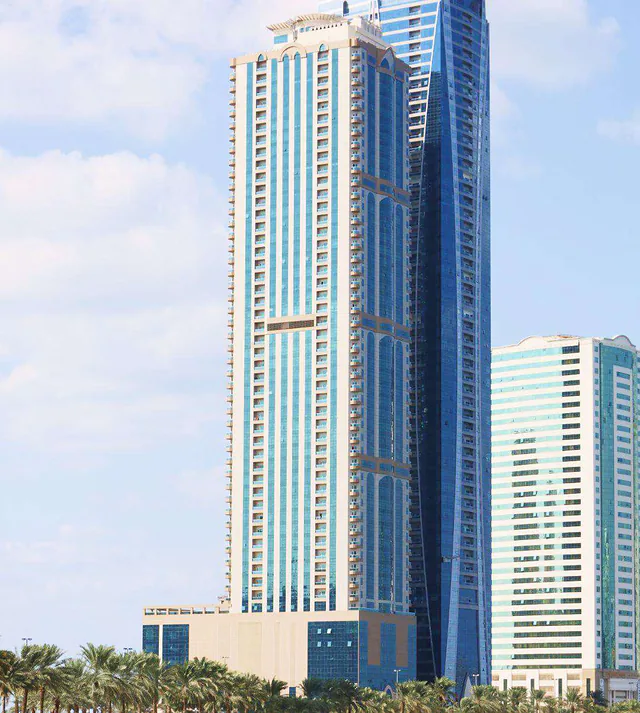
Al Salam Tower, Sharjah
Sharjah · HVAC · Completed
Chiller plant and roof chilled-water network for a 52-typical-floor tower.
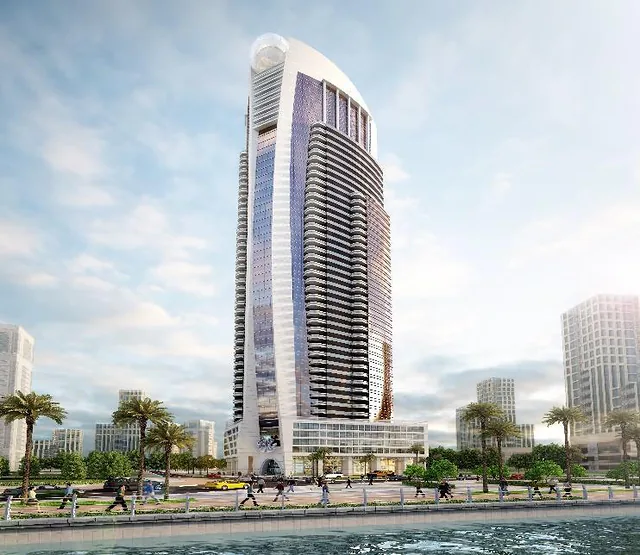
Al Mazroaa Tower, Sharjah
Sharjah · HVAC · Completed
HVAC for a 43-typical-floor tower with health club.
Al Mawared Twin Tower, Sharjah
Sharjah · HVAC · Completed
HVAC for twin 32-typical-floor towers.
G+28 residential tower, Sharjah
Sharjah · MEP · Completed
Full MEP subcontract for a 28-storey tower.
Frequently asked questions
Which authorities approve MEP testing and commissioning in Sharjah?
Approvals in Sharjah typically involve Sharjah Municipality, Sharjah Civil Defence, Sharjah Electricity, Water & Gas Authority and UAE Fire & Life Safety Code of Practice. Exact routes depend on the plot, the master developer and whether the site sits in a free zone, so we confirm the authority matrix during mobilisation and prepare submissions accordingly.
What buildings need MEP testing and commissioning in Sharjah?
In Sharjah, demand mostly comes from villas and townhouses and office buildings. Each type changes system selection, approvals and programme, which is why we review the building use before pricing.
Does Manolia work in Sharjah?
Yes. Sharjah is in Sharjah, roughly 20–60 minutes from central Dubai depending on traffic. Site teams are mobilised from our Dubai headquarters with supervision, QA/QC and HSE staff assigned to each project.
What similar work has Manolia completed near Sharjah?
Relevant reference work includes Al Salam Tower, Sharjah (HVAC, completed), Al Mazroaa Tower, Sharjah (HVAC, completed) and Al Mawared Twin Tower, Sharjah (HVAC, completed). Each reference is listed with its scope and status as recorded in our company profile.
When should commissioning be planned?
Commissioning should be planned during design and installation, not at the end. Test points, flow-measuring stations, balancing valves, access panels and BMS points need to be built in. Late planning usually means missing measurement points, retrofitting valves in finished ceilings and a delayed handover.
What documents does the client receive after commissioning?
Typically commissioning reports, air and water balancing sheets, test certificates, equipment start-up records, O&M manuals, as-built drawings, warranty documents and training records. These are needed for authority completion and form the performance baseline the maintenance contractor uses for years afterwards.