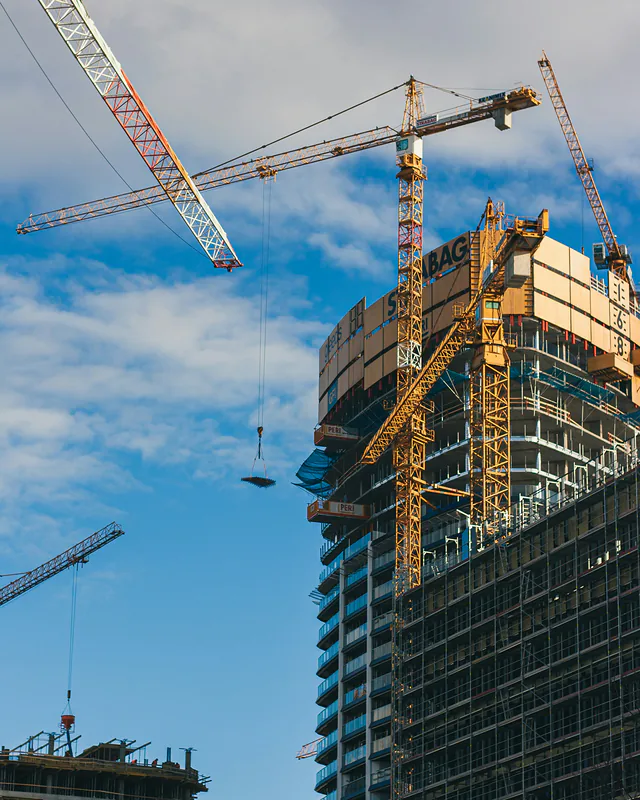
MEP testing and commissioning in Fujairah: local context
Fujairah sits on the east coast on the Gulf of Oman, separated from Dubai by the Hajar mountains, and is known for its port, oil storage and bunkering industry alongside beach hotels and residential districts. Building stock is mainly low- and mid-rise residential, hotels on the coast, and industrial and warehouse facilities linked to the port. MEP work here contends with a different coastal climate, mountain terrain and the longest logistics chain from Dubai of any emirate. Planning, material staging, local support arrangements and realistic scheduling of inspections and witnessed tests matter as much as the design itself.
MEP drawings are typically submitted to Fujairah Municipality as part of the building permit. Civil Defence (Ministry of Interior) approves fire and life safety designs and inspects installations, while Etihad WE approves electrical loads and connections. Port, free-zone and industrial plots can follow their own authority channel, so the route is confirmed per project.
- Etihad Water & Electricity (formerly FEWA) is the utility provider; load approval and connection timing should be confirmed early, particularly for industrial plots near the port and new coastal hotels.
- Civil Defence under the Ministry of Interior approves and inspects fire and life safety systems, and industrial facilities near fuel storage may face additional fire protection requirements set by the operator or zone.
Building types we serve in Fujairah
For mid-rise residential and mixed-use buildings, the work concentrates on compact plant on the roof, car-park ventilation in podiums, metered apartment DBs and tight ceiling voids that make coordination drawings decisive.
For warehouses and logistics buildings, the work concentrates on high-bay sprinklers or in-rack protection, smoke venting, dock and office HVAC, and LV for racking, lighting and material handling.
Approvals and authorities in Fujairah
MEP testing and commissioning in Fujairah sits within Fujairah's regulatory framework. The authorities you will meet are:
- Fujairah Municipality (Fujairah Municipality)
- UAE Civil Defence (Ministry of Interior) (Civil Defence)
- Etihad Water & Electricity (formerly FEWA) (Etihad WE)
- UAE Fire & Life Safety Code of Practice (UAE FLSC)
- ASHRAE standards (62.1, 90.1) (ASHRAE)
Scope of work
- Preparation of a commissioning plan and method statements defining test sequences, acceptance criteria, witnesses and the order of system start-up.
- Pre-commissioning checks including pressure tests, flushing and chemical cleaning of chilled water and condenser circuits, insulation resistance and continuity tests.
- Electrical testing of panels, breakers, earthing and protection settings, followed by load tests and power quality checks before utility energisation and after.
- Plumbing tests including pressure tests, disinfection of potable water systems, booster pump set-up and drainage flow tests.
- Integrated life-safety tests with fire alarm, smoke control, stair pressurisation, lifts and BMS acting together under alarm conditions.
Systems we install
- Chillers, district cooling energy transfer stations and primary and secondary pumps.
- Water boosters, hot water systems, drainage pumps and sump controls.
- BMS points, control sequences, alarms and trend logging across all plant.
UAE site and climate challenges
- Commissioning often happens in summer when cooling loads are high but the building is not yet occupied. We plan chiller load tests and record results across different times so performance is proven under real heat, not just at part load.
- Construction dust contaminates ducts, coils and condenser fins, and running AHUs without filters spreads it. Temporary filters, duct cleanliness checks and coil cleaning are scheduled before balancing so readings reflect clean equipment.
Decisions to make early
- Phased versus whole-building commissioning: phased handover lets tenants move in sooner, but requires temporary isolations, repeated integrated tests and careful control of systems shared between occupied and unfinished zones.
- Seasonal commissioning: retesting cooling in milder months verifies part-load behaviour and control stability, but extends the contractor's involvement after handover and must be agreed in the contract scope.
Relevant Manolia projects
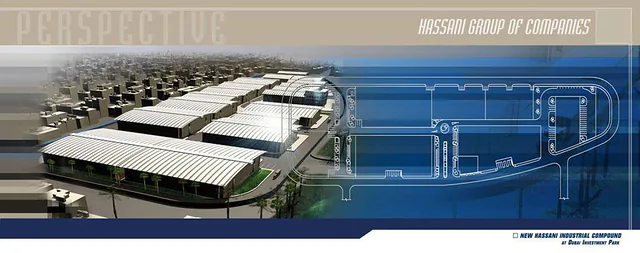
Hassani Group factories & HQ, DIP
Dubai Investments Park (DIP) · MEP · Completed
Factory complex, HQ and staff accommodation, all served from one central cooling station.
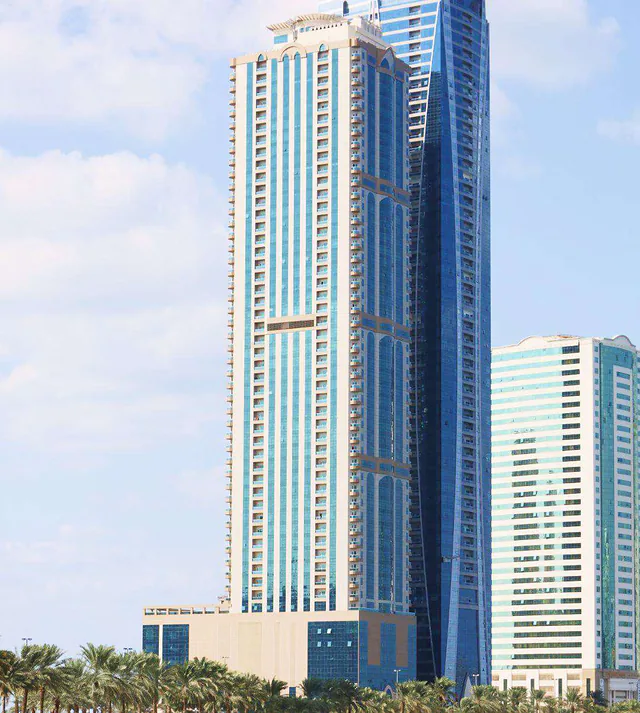
Al Salam Tower, Sharjah
Sharjah · HVAC · Completed
Chiller plant and roof chilled-water network for a 52-typical-floor tower.
Frequently asked questions
Which authorities approve MEP testing and commissioning in Fujairah?
Approvals in Fujairah typically involve Fujairah Municipality, UAE Civil Defence (Ministry of Interior), Etihad Water & Electricity (formerly FEWA) and UAE Fire & Life Safety Code of Practice. Exact routes depend on the plot, the master developer and whether the site sits in a free zone, so we confirm the authority matrix during mobilisation and prepare submissions accordingly.
What buildings need MEP testing and commissioning in Fujairah?
In Fujairah, demand mostly comes from mid-rise residential and mixed-use buildings and warehouses and logistics buildings. Each type changes system selection, approvals and programme, which is why we review the building use before pricing.
Does Manolia work in Fujairah?
Yes. Fujairah is in Fujairah, around 1.5–2 hours from Dubai across the Hajar mountains. Site teams are mobilised from our Dubai headquarters with supervision, QA/QC and HSE staff assigned to each project.
What is the difference between testing and commissioning?
Testing proves individual components and installations meet requirements, such as pipe pressure tests or cable insulation resistance. Commissioning proves whole systems operate together as designed, such as an AHU delivering design airflow at the right supply temperature under BMS control. Both are needed before handover and authority completion.
What is an integrated systems test?
It is a test where a fire alarm event is triggered and the response of every connected system is checked together: AHUs stop, smoke fans and pressurisation start, dampers move, lifts home and access doors release. It is usually witnessed by the consultant and Civil Defence before the building receives completion.