Water tanks & pumps in Sharjah: local context
Sharjah combines a dense band of 20–30 storey residential towers along Al Nahda, Al Taawun, Al Khan and Al Majaz with older mid-rise stock, large industrial areas and newer master-planned communities such as Aljada and Tilal City further inland. Much of its housing serves people who work in Dubai, so residential towers with podium car parks dominate the urban core. MEP work here is shaped by SEWA utility requirements, Sharjah Civil Defence review, and a high share of retrofit and replacement work in buildings that are 15–30 years old. Manolia has a long record in Sharjah, from residential towers to the American University of Sharjah campus.
MEP drawings typically go through Sharjah Municipality as part of the building permit, with Sharjah Civil Defence approving fire and life safety designs and inspecting installed systems before occupancy. SEWA handles electrical load, water and gas connection approvals and final inspections. In free zones or master-planned communities, a developer or zone NOC usually comes first; the route is confirmed per plot.
- SEWA supplies electricity, water and in many areas gas, so load applications, water tank arrangements and metering follow SEWA's own standards and inspections rather than Dubai practice; contractors moving from Dubai should not assume the same details carry over.
- Lagoon-side districts such as Al Khan, Al Majaz and Al Taawun are humid and salt-laden, so condenser coil coatings, galvanised or stainless supports and careful condensate drainage design matter more than on inland plots.
Building types we serve in Sharjah
For mid-rise residential and mixed-use buildings, the work concentrates on compact plant on the roof, car-park ventilation in podiums, metered apartment DBs and tight ceiling voids that make coordination drawings decisive.
For villas and townhouses, the work concentrates on ducted split or VRF systems, roof tanks and booster pumps, hot water, pool plant and clean concealed routing that respects architectural finishes.
Approvals and authorities in Sharjah
Water tanks and pumps in Sharjah sits within Sharjah's regulatory framework. The authorities you will meet are:
- Sharjah Electricity, Water & Gas Authority (SEWA)
- Sharjah Municipality (SM)
- Sharjah Civil Defence (SCD)
Scope of work
- Installation of sectional GRP or similar approved tanks on prepared bases with internal bracing, access ladders and covered vents.
- Booster pump sets with variable speed drives maintaining stable pressure to top floors and villas.
- Pressure vessels, check valves and isolation valves allowing maintenance without full shutdown.
- Tank insulation and shading to reduce solar heat gain in roof tanks.
- Tank cleaning, disinfection and water quality testing before handover.
Systems we install
- Pressure vessels and expansion tanks
- UV or chlorination treatment units where specified
- Ultrasonic level sensors linked to the BMS
UAE site and climate challenges
- Dust and sand can enter tanks through vents, overflows and access hatches during storms, so screened vents, gasketed covers and trapped overflows are fitted to protect potable water quality between cleaning visits.
- Tanks fed by a utility supply that drops at peak hours need refill rates matched to demand, so inlet valve sizes and level settings are commissioned to refill overnight without overflowing or wasting water.
Decisions to make early
- Roof tanks with gravity supply versus booster systems from ground tanks, trading supply continuity during power cuts against roof structural load, space and the ability to control pressure precisely.
- Separate or combined fire and domestic storage, depending on Civil Defence approval, available space and the need to keep domestic water turning over rather than standing as a fire reserve.
Relevant Manolia projects
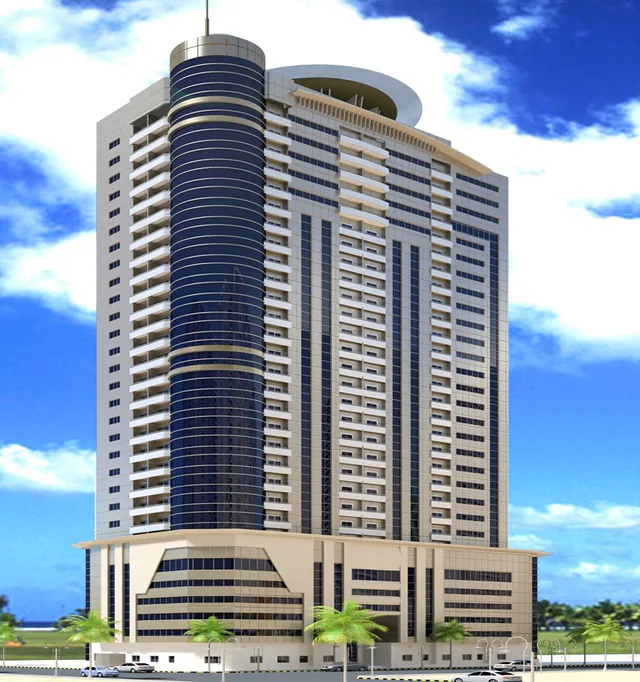
G+28 residential tower, Sharjah
Sharjah · MEP · Completed
Full MEP subcontract for a 28-storey tower.
Two Nahda residential towers, Sharjah
Al Nahda (Sharjah) · MEP · Completed
MEP for two towers of 23 and 24 typical floors over parking podiums.
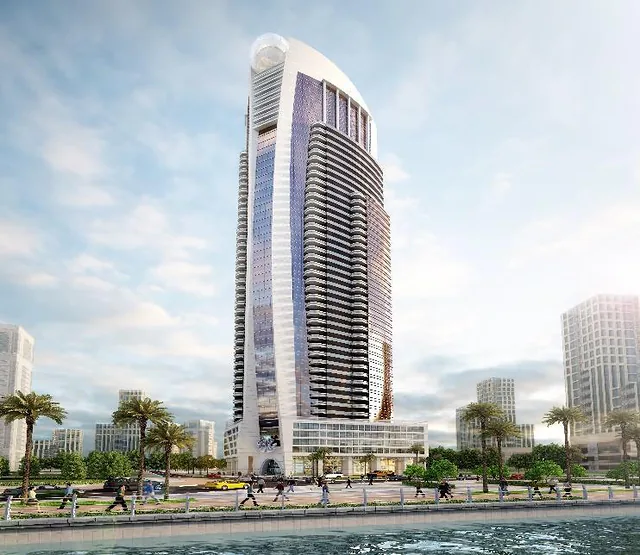
Al Mazroaa Tower, Sharjah
Sharjah · HVAC · Completed
HVAC for a 43-typical-floor tower with health club.
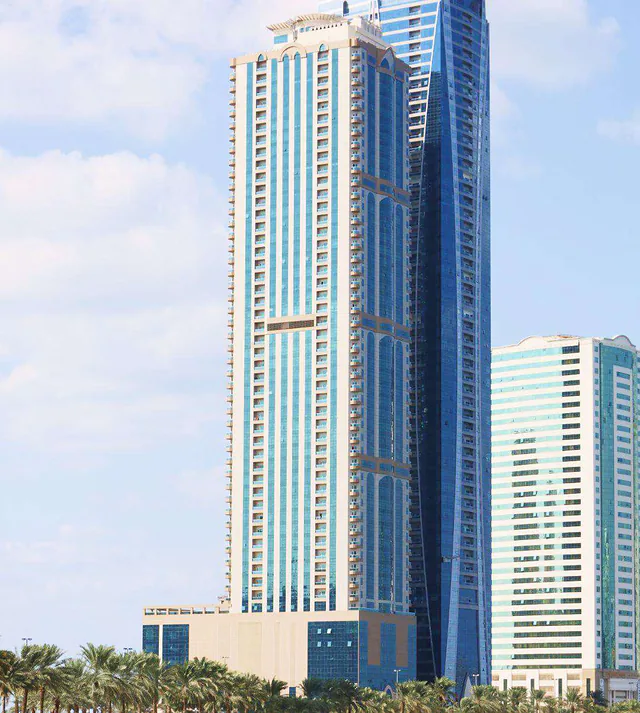
Al Salam Tower, Sharjah
Sharjah · HVAC · Completed
Chiller plant and roof chilled-water network for a 52-typical-floor tower.
Frequently asked questions
Which authorities approve water tanks and pumps in Sharjah?
Approvals in Sharjah typically involve Sharjah Electricity, Water & Gas Authority, Sharjah Municipality and Sharjah Civil Defence. Exact routes depend on the plot, the master developer and whether the site sits in a free zone, so we confirm the authority matrix during mobilisation and prepare submissions accordingly.
What buildings need water tanks and pumps in Sharjah?
In Sharjah, demand mostly comes from mid-rise residential and mixed-use buildings and villas and townhouses. Each type changes system selection, approvals and programme, which is why we review the building use before pricing.
Does Manolia work in Sharjah?
Yes. Sharjah is in Sharjah, roughly 20–60 minutes from central Dubai depending on traffic. Site teams are mobilised from our Dubai headquarters with supervision, QA/QC and HSE staff assigned to each project.
What similar work has Manolia completed near Sharjah?
Relevant reference work includes G+28 residential tower, Sharjah (MEP, completed), Two Nahda residential towers, Sharjah (MEP, completed) and Al Mazroaa Tower, Sharjah (HVAC, completed). Each reference is listed with its scope and status as recorded in our company profile.
How often should water tanks be cleaned?
Cleaning frequency depends on municipality requirements and building type, and is often carried out periodically by licensed tank cleaning companies. Split tanks make cleaning easier without cutting supply. Manolia provides access hatches, ladders and drainage points to support cleaning. Cleaning records are typically retained by the building operator.
Do you install booster pumps for towers?
Yes. Booster pump sets have been part of Manolia's plumbing and MEP packages on Sharjah and Dubai towers, including buildings above 40 floors. Tall buildings need multiple pressure zones, PRVs and carefully commissioned variable speed pumps to keep pressure steady.