Plumbing contracting in Khalifa City: local context
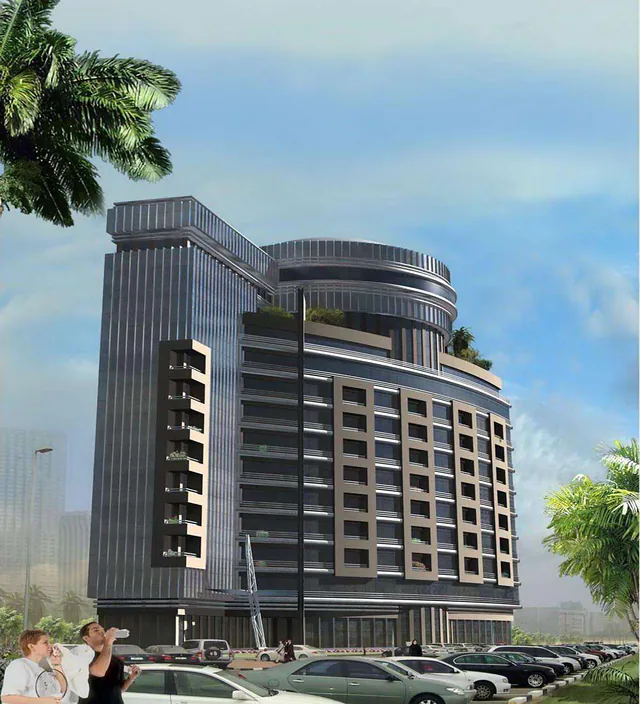
Khalifa City is a suburban district on the mainland between Abu Dhabi airport and Yas Island, made up of large villa plots, private palaces, schools, mosques and neighbourhood retail, with mid-rise apartment buildings in some sectors. It has grown steadily since the 2000s as a family area. Manolia completed the MEP works for a school project here.
- Schools need fresh-air AHUs with energy recovery and dehumidification, CO2-based ventilation control, and fire alarm and public address systems integrated for safe evacuation.
- Inland mainland sites bring dust and high summer temperatures, so plant is derated and air intakes protected with sand-trap louvres and good filtration.
- Estidama Pearl requirements apply to new buildings, with government schools typically targeting a higher rating.
Building types we serve in Khalifa City
For schools and university buildings, the work concentrates on high fresh-air rates for dense classrooms, quiet systems, holiday-window works in occupied campuses and robust controls.
Approvals and authorities in Khalifa City
Plumbing contracting in Khalifa City sits within Abu Dhabi's regulatory framework. The authorities you will meet are:
- Abu Dhabi Distribution Company (ADDC)
- Abu Dhabi Department of Municipalities and Transport (DMT)
- Abu Dhabi Civil Defence Authority (ADCDA)
- Estidama Pearl Rating System (Estidama)
Scope of work
- Pressure reducing valves on lower floors of towers to keep pressures within fixture limits.
- Installation of sanitary fixtures and fittings, including water-saving devices.
- Utility inspections and water connection approvals.
- Backflow prevention at connections to irrigation, cooling tower make-up and other non-potable uses so contaminated water cannot return to drinking supplies.
Systems we install
- Pressure reducing valve stations
- Thermostatic mixing valves to limit hot water temperature at outlets
UAE site and climate challenges
- Cold-water pipes in roofs and external walls heat up in summer, so insulation and internal routing reduce the familiar problem of hot water coming out of cold taps in the afternoon.
- High summer water demand from showers, laundry and cooling-related uses coincides with lower utility pressure in some areas, so storage, booster capacity and refilling arrangements are checked against peak days rather than average consumption.
- Solar or heat pump hot water versus electric heaters: renewable options lower running costs and support green building credits, but need roof space and higher upfront investment.
Relevant Manolia projects
Aircraft-maintenance training school, Abu Dhabi
Abu Dhabi · MEP · Completed
MEP package for a technical training facility near Abu Dhabi Airport; separate AMC for A/C and plumbing.
International Clear Packaging factory, Abu Dhabi
KEZAD (Khalifa Economic Zones Abu Dhabi) · HVAC · Completed
HVAC for a factory in a specialised economic zone.
Frequently asked questions
Which authorities approve plumbing contracting in Khalifa City?
Approvals in Khalifa City typically involve Abu Dhabi Distribution Company, Abu Dhabi Department of Municipalities and Transport, Abu Dhabi Civil Defence Authority and Estidama Pearl Rating System. Exact routes depend on the plot, the master developer and whether the site sits in a free zone, so we confirm the authority matrix during mobilisation and prepare submissions accordingly.
Does Manolia work in Khalifa City?
Yes. Khalifa City is in Abu Dhabi, about 1.5 hours by road from Dubai; Manolia has historically run an Abu Dhabi branch. Site teams are mobilised from our Dubai headquarters with supervision, QA/QC and HSE staff assigned to each project.
How is hot water handled in large buildings?
Options include central calorifiers with recirculation, heat pumps, solar-assisted systems or point-of-use electric heaters. Hotels typically use central systems for consistent temperature at every room, while apartments often use individual heaters. Manolia reviews recovery capacity, recirculation balancing and safe outlet temperatures with thermostatic mixing where scalding risk exists.