Chilled water piping in Al Nahda (Dubai): local context
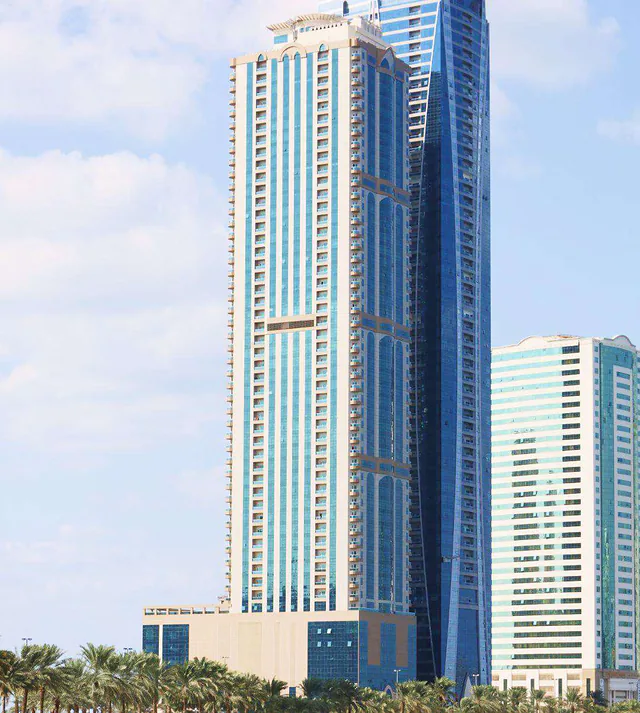
Al Nahda on the Dubai side sits right against the Sharjah border near Al Qusais, a residential district of mid- and high-rise apartment buildings, schools, clinics and neighbourhood retail built mostly since the 2000s. It is popular with families who split work and life between the two emirates, so buildings are dense, fully let and heavily used. Manolia completed the MEP works for a 2B+G+11 residential tower with gym in the area.
- Twin-basement towers on compact plots need car park jet-fan ventilation, CO detection, sump pits with duty/standby pumps and smoke clearance coordinated with sprinkler zoning, all squeezed between deep transfer beams.
- School buildings in the district benefit from fresh-air AHUs with dehumidification and CO2-based demand control, because classroom occupancy swings sharply across the day and the summer humidity load is high.
- Peak-hour traffic around the Dubai–Sharjah crossings is severe, so Manolia schedules concrete-pour-adjacent MEP works, deliveries and inspections outside the morning and evening rush.
Building types we serve in Al Nahda (Dubai)
For malls and retail centres, the work concentrates on large-volume air handling, tenant-ready chilled water or refrigerant capacity, smoke extraction for atriums and car parks and food-court exhaust.
Approvals and authorities in Al Nahda (Dubai)
Chilled water piping in Al Nahda (Dubai) sits within Dubai's regulatory framework. The authorities you will meet are:
- Dubai Municipality (DM)
- Dubai Civil Defence (DCD)
- Dubai Electricity & Water Authority (DEWA)
- Al Sa'fat — Dubai Green Building Evaluation System (Al Sa'fat)
- ASHRAE standards (62.1, 90.1) (ASHRAE)
Scope of work
- Installation of steel or pre-insulated mains, risers and branch pipework with supports, anchors and expansion provisions suited to each route.
- Isolation, balancing and two-way control valves at coils and risers so individual floors or buildings can be maintained without shutting the plant.
- Chemical cleaning and flushing to remove mill scale, debris and welding residue, with water treatment introduced after flushing.
- Strainer and coil bypass arrangements during flushing so debris is collected in temporary screens rather than lodged in new fan coil and AHU coils.
Systems we install
- Energy meters at building or tenant connections
- Y-strainers, flushing bypasses and dirt separators at plant connections
UAE site and climate challenges
- Exposed roof pipework sits in direct sun for most of the day, so it receives thicker insulation and UV-protective aluminium cladding to limit heat gain, stop insulation breakdown and keep supply water temperature close to plant output.
- Large temperature differences between installation in summer heat and cold operating conditions cause expansion and contraction, so anchors, guides and loops are positioned to protect long risers, branch take-offs and equipment connections.
- Riser pressure ratings in tall buildings, where static head at lower floors may require higher-rated valves and coils, a pressure break with plate heat exchangers, or split riser zones to stay within component limits.
Relevant Manolia projects
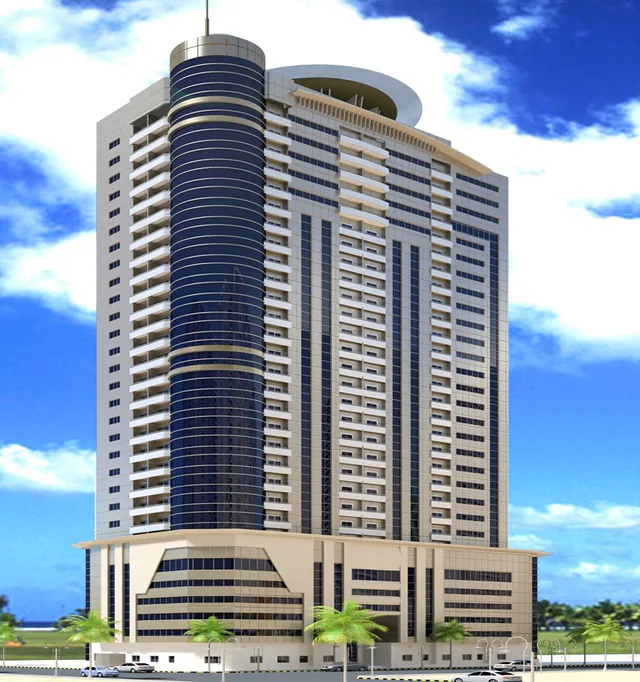
Two Nahda residential towers, Sharjah
Al Nahda (Sharjah) · MEP · Completed
MEP for two towers of 23 and 24 typical floors over parking podiums.
2B+G+15 residential tower, IMPZ
Dubai Production City (formerly IMPZ) · MEP · Completed
Full MEP package for a two-basement residential tower with gym.
Frequently asked questions
Which authorities approve chilled water piping in Al Nahda (Dubai)?
Approvals in Al Nahda (Dubai) typically involve Dubai Municipality, Dubai Civil Defence, Dubai Electricity & Water Authority and Al Sa'fat — Dubai Green Building Evaluation System. Exact routes depend on the plot, the master developer and whether the site sits in a free zone, so we confirm the authority matrix during mobilisation and prepare submissions accordingly.
Why is flushing important before connecting chilled-water pipes?
New pipes contain mill scale, cutting debris and welding residue. If they are not flushed, debris blocks strainers, damages control valves and fouls chiller and coil tubes. Manolia flushes sections, then the whole system, with temporary bypasses around sensitive coils, before treatment chemicals are introduced and the plant is connected.