Residential building construction in Yas Island: local context
Yas Island is Abu Dhabi's leisure island, home to theme parks, the Formula 1 circuit, hotels, a major mall and growing residential communities of villas, townhouses and mid-rise apartments built since the late 2000s. Its building stock is mostly hospitality, leisure and residential. New residential neighbourhoods continue to be added around the leisure core, so construction sites sit beside fully operating hotels and attractions.
- Tabreed district cooling serves parts of the island, so buildings may connect through energy transfer stations instead of standalone chillers, depending on plot.
- Hotels need guestroom fan coil systems, central hot water with Legionella control, kitchen extract and fresh-air dehumidification to manage the humid coastal climate.
- Island exposure to sea air means coated coils, stainless fixings and careful selection of external electrical enclosures.
Building types we serve in Yas Island
For villas and townhouses, the work concentrates on ducted split or VRF systems, roof tanks and booster pumps, hot water, pool plant and clean concealed routing that respects architectural finishes.
Approvals and authorities in Yas Island
Residential construction in Yas Island sits within Abu Dhabi's regulatory framework. The authorities you will meet are:
- Abu Dhabi Department of Municipalities and Transport (DMT)
- Abu Dhabi Civil Defence Authority (ADCDA)
- Abu Dhabi Distribution Company (ADDC)
- Estidama Pearl Rating System (Estidama)
- UAE Fire & Life Safety Code of Practice (UAE FLSC)
Scope of work
- Foundations, basements and podium car parks, with waterproofing and ventilation of car parks coordinated from the start.
- Concrete frame for typical residential floors, planned for repetitive cycles with consistent quality from floor to floor.
- Envelope works including windows, balconies, balustrades, cladding and roof waterproofing, focusing on water tightness and thermal performance.
- Full MEP installation, testing and handover through group companies, including individual utility metering per unit and coordination of utility connections.
Systems we install
- Balcony, roof and wet area waterproofing systems with flood-tested records.
- Water boosters, metering per unit and drainage stacks.
UAE site and climate challenges
- Balcony and roof leaks are a common defect in UAE residential buildings because membranes are damaged by heat and follow-on trades. We inspect and flood-test waterproofing before screeds and tiles, and protect membranes during later works.
- Basement car parks get hot and polluted. Jet fan or ducted ventilation designed with CO detection keeps air quality acceptable and supports smoke clearance in fire mode.
- District cooling versus own cooling plant: district cooling lowers developer plant space and capital cost but adds capacity and consumption charges for residents, while own plant keeps control of running costs.
Relevant Manolia projects
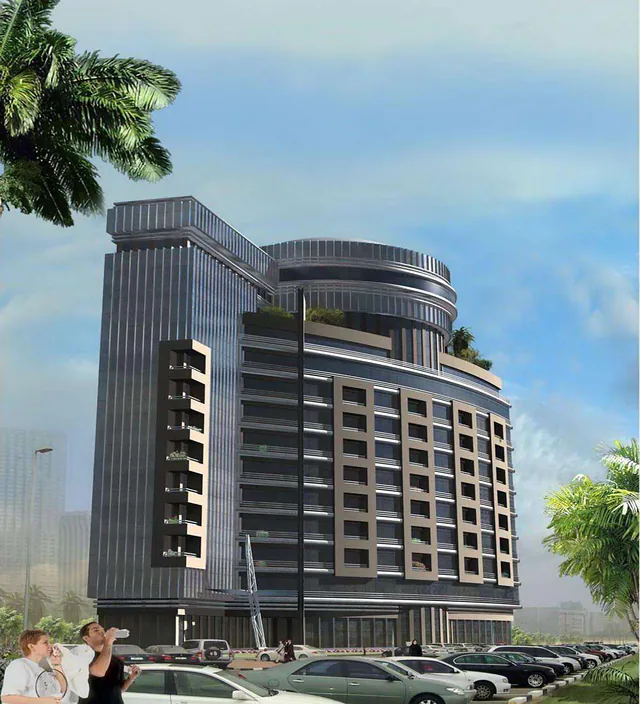
28-storey tower, Abu Dhabi
Abu Dhabi · MEP · Completed
MEP works for a 28-storey tower.
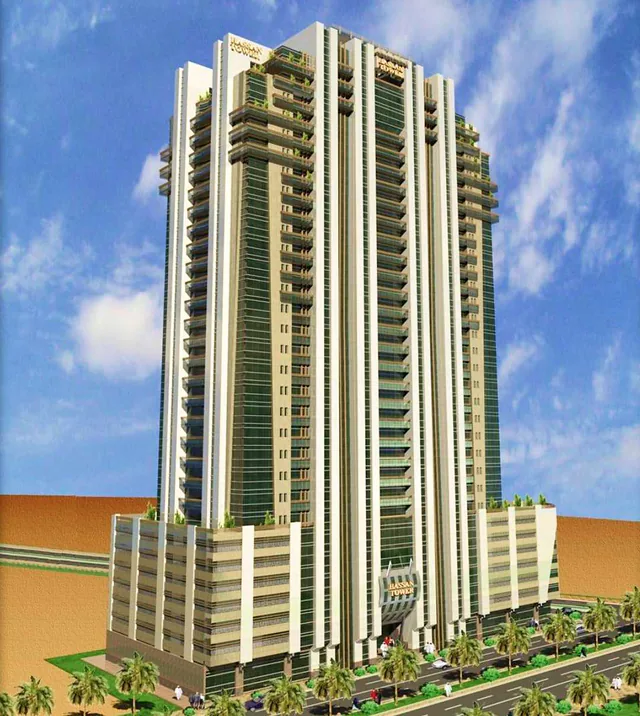
Hassan Tower 1, Sharjah
Sharjah · Building · Completed
25 typical floors above a parking podium.
Frequently asked questions
Which authorities approve residential construction in Yas Island?
Approvals in Yas Island typically involve Abu Dhabi Department of Municipalities and Transport, Abu Dhabi Civil Defence Authority, Abu Dhabi Distribution Company and Estidama Pearl Rating System. Exact routes depend on the plot, the master developer and whether the site sits in a free zone, so we confirm the authority matrix during mobilisation and prepare submissions accordingly.
Does Manolia work in Yas Island?
Yes. Yas Island is in Abu Dhabi, about 1.5 hours by road from Dubai; Manolia has historically run an Abu Dhabi branch. Site teams are mobilised from our Dubai headquarters with supervision, QA/QC and HSE staff assigned to each project.
How are water leaks prevented in apartments?
By inspecting and flood-testing waterproofing in wet areas, balconies and roofs before screeds and tiles, pressure-testing water pipes before walls and ceilings are closed, and coordinating penetrations so membranes are not cut by later trades. Records of these tests form part of the handover documentation.