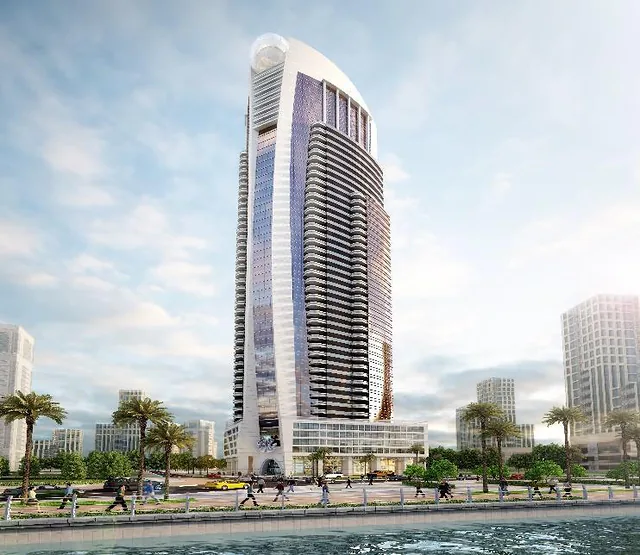
HVAC installation in Umm Al Quwain City: local context
Umm Al Quwain City includes the old town on the peninsula, residential districts of villas and low-rise buildings, and industrial plots along the Emirates Road. Development is gradual and mostly low- to mid-rise. Light industrial and storage facilities along the highway serve the wider northern emirates, while the old town and lagoon-side areas remain quiet and largely residential. Much of the newer residential work is villas and small apartment buildings commissioned by individual owners, with practical, maintainable systems favoured over complex central plants.
- Industrial plots need electrical capacity confirmed early with Etihad WE.
- Sites are about 45–60 minutes from Dubai, so logistics are planned.
- Fire protection for warehouses follows Civil Defence (Ministry of Interior) requirements, with hydrants, sprinklers and alarms matched to storage type.
Building types we serve in Umm Al Quwain City
For factories and industrial plants, the work concentrates on process cooling and ventilation, heavy LV distribution, hazard-appropriate fire protection and plant that tolerates dust and high ambient temperatures.
Approvals and authorities in Umm Al Quwain City
HVAC installation in Umm Al Quwain City sits within Umm Al Quwain's regulatory framework. The authorities you will meet are:
- Umm Al Quwain Municipality (UAQ Municipality)
- UAE Civil Defence (Ministry of Interior) (Civil Defence)
- Etihad Water & Electricity (formerly FEWA) (Etihad WE)
- ASHRAE standards (62.1, 90.1) (ASHRAE)
- UAE Fire & Life Safety Code of Practice (UAE FLSC)
Scope of work
- Heat load verification against the consultant's calculation, checking glazing ratios, occupancy and fresh-air volumes before equipment orders are released.
- Installation of AHUs, fan coil units, VAV boxes and fresh air handling units with vibration isolation, condensate drainage and service access.
- Chilled-water or refrigerant pipework installation with pressure testing, flushing and insulation sealed against condensation in humid ceiling voids.
- Controls wiring of thermostats, sensors and actuators linked to the BMS so zones can be scheduled and monitored centrally.
Systems we install
- Air handling units with heat recovery wheels on fresh air
- Ceiling-concealed and floor-standing fan coil units
UAE site and climate challenges
- Sand-laden air quickly clogs filters on AHUs and fresh-air intakes, so intakes are placed away from roof edges where possible, fitted with sand louvres and given accessible pre-filters.
- Large glazed facades facing west take a heavy late-afternoon solar load, so perimeter zones are separated from interior zones and given their own coils and controls instead of sharing a thermostat with rooms that never see the sun.
- Level of zoning: more zones improve comfort for perimeter rooms and allow tenant-level scheduling and billing, but each zone adds thermostats, valves or VAV boxes, wiring and commissioning effort.
Relevant Manolia projects
Al Mawared Twin Tower, Sharjah
Sharjah · HVAC · Completed
HVAC for twin 32-typical-floor towers.
Al Mazroaa Tower, Sharjah
Sharjah · HVAC · Completed
HVAC for a 43-typical-floor tower with health club.
Frequently asked questions
Which authorities approve HVAC installation in Umm Al Quwain City?
Approvals in Umm Al Quwain City typically involve Umm Al Quwain Municipality, UAE Civil Defence (Ministry of Interior), Etihad Water & Electricity (formerly FEWA) and ASHRAE standards (62.1, 90.1). Exact routes depend on the plot, the master developer and whether the site sits in a free zone, so we confirm the authority matrix during mobilisation and prepare submissions accordingly.
Does Manolia work in Umm Al Quwain City?
Yes. Umm Al Quwain City is in Umm Al Quwain, around 45–60 minutes from Dubai. Site teams are mobilised from our Dubai headquarters with supervision, QA/QC and HSE staff assigned to each project.
What HVAC systems suit villas versus towers?
Villas commonly use ducted split or VRF systems because there is no central plant room and loads are modest. Towers typically use chilled water from a central plant or district cooling, distributed to fan coils and AHUs. Mixed-use and hotel buildings may combine both, with VRF serving retail units that need separate metering.