HVAC installation in Dubai Silicon Oasis (DSO): local context
Dubai Silicon Oasis is a free-zone technology park and residential community on the Dubai–Al Ain Road, mixing offices, residential towers, villas, schools and retail. It has grown steadily since the mid-2000s. Manolia completed MEP for a G+6 residential building with health club here and is currently delivering MEP for a G+3 parking building. Its mix of tenants means MEP packages range from residential and parking to technology offices.
- Approvals run through the Dubai Silicon Oasis Authority (DSOA) building channel, with Civil Defence review of fire and life safety drawings; procedures follow DSOA's requirements.
- Mid-rise residential buildings with health clubs need pool dehumidification, separate ventilation for changing rooms and robust hot-water systems.
- DSO is about 20–30 minutes from central Dubai, giving good access for deliveries and commissioning teams.
Building types we serve in Dubai Silicon Oasis (DSO)
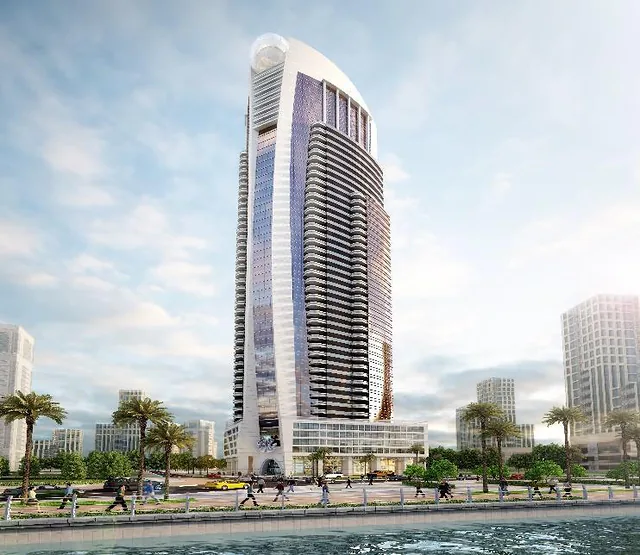
For high-rise towers, the work concentrates on pressure-zoned water and drainage stacks, riser and plant-room coordination, stair pressurisation and a cooling source sized for diversity across dozens of typical floors.
Approvals and authorities in Dubai Silicon Oasis (DSO)
HVAC installation in Dubai Silicon Oasis (DSO) sits within Dubai's regulatory framework. The authorities you will meet are:
- Dubai Silicon Oasis Authority (DSOA)
- Dubai Civil Defence (DCD)
- Dubai Electricity & Water Authority (DEWA)
- Al Sa'fat — Dubai Green Building Evaluation System (Al Sa'fat)
- ASHRAE standards (62.1, 90.1) (ASHRAE)
- UAE Fire & Life Safety Code of Practice (UAE FLSC)
Scope of work
- Fabrication and erection of insulated supply, return and fresh-air ductwork including fire dampers at compartment walls and volume control dampers.
- Toilet extract, car park ventilation and general exhaust systems sized to keep negative pressure where odours and fumes are generated.
- Controls wiring of thermostats, sensors and actuators linked to the BMS so zones can be scheduled and monitored centrally.
- Air and water balancing to design flow rates, with measured readings recorded for every terminal and coil.
Systems we install
- Variable air volume boxes for open-plan offices
- Exhaust and supply fans with variable speed drives
UAE site and climate challenges
- Outdoor air in summer is both very hot and very humid, so fresh air must be pre-treated by dedicated units or heat recovery before it reaches occupied spaces, otherwise rooms feel clammy even when the thermostat reads 23°C.
- Equipment on roofs faces direct sun and high ambient air, so condensing units are selected for high-ambient operation and spaced to avoid recirculating hot discharge air.
- Fan coil units versus VAV systems: FCUs suit hotels and apartments with individual room control, while VAV suits open offices but needs more ceiling depth and careful minimum fresh-air settings.
Relevant Manolia projects
G+14 building, Dubailand
Dubailand · HVAC · Completed
HVAC for a 14-storey residential building.
Multi-storey parking & retail centre, DSO
Dubai Silicon Oasis (DSO) · MEP · In progress
G+3 parking and retail centre — MEP works in progress.
Frequently asked questions
Which authorities approve HVAC installation in Dubai Silicon Oasis (DSO)?
Approvals in Dubai Silicon Oasis (DSO) typically involve Dubai Silicon Oasis Authority, Dubai Civil Defence, Dubai Electricity & Water Authority and Al Sa'fat — Dubai Green Building Evaluation System. Exact routes depend on the plot, the master developer and whether the site sits in a free zone, so we confirm the authority matrix during mobilisation and prepare submissions accordingly.
What similar work has Manolia completed near Dubai Silicon Oasis (DSO)?
Relevant reference work includes G+14 building, Dubailand (HVAC, completed). Each reference is listed with its scope and status as recorded in our company profile.
What HVAC systems suit villas versus towers?
Villas commonly use ducted split or VRF systems because there is no central plant room and loads are modest. Towers typically use chilled water from a central plant or district cooling, distributed to fan coils and AHUs. Mixed-use and hotel buildings may combine both, with VRF serving retail units that need separate metering.