Fire sprinkler systems in Dubai South: local context
Dubai South is a master-planned free zone around Al Maktoum International Airport, covering logistics, aviation, light industry, residential communities and staff accommodation. Development has accelerated since the 2010s, and large plots are still being built out. Logistics warehouses and labour accommodation are among the most common building types. Its scale means MEP packages are often repeated across several similar buildings, rewarding standardised details and well-planned testing sequences.
- Large-span warehouses need roof ventilation, high-bay lighting, fire hydrants and sprinklers designed around racking heights and storage classes.
- Labour accommodation projects need robust domestic water, hot water and drainage designed for high occupancy, plus kitchen extract and fire alarm coverage.
- The location is inland and exposed to dust and high temperatures, so air-cooled equipment must be derated and protected from sand ingress.
Building types we serve in Dubai South
For mid-rise residential and mixed-use buildings, the work concentrates on compact plant on the roof, car-park ventilation in podiums, metered apartment DBs and tight ceiling voids that make coordination drawings decisive.
Approvals and authorities in Dubai South
Fire sprinkler systems in Dubai South sits within Dubai's regulatory framework. The authorities you will meet are:
- Dubai Civil Defence (DCD)
- UAE Fire & Life Safety Code of Practice (UAE FLSC)
- Dubai South authority (Dubai South)
- Dubai Electricity & Water Authority (DEWA)
- Al Sa'fat — Dubai Green Building Evaluation System (Al Sa'fat)
Scope of work
- Review of the consultant's fire strategy and hazard classification for each occupancy, then hydraulic calculations confirming pump duty, pipe sizing and the most remote design area.
- Supply and installation of fire pump sets (electric duty, diesel standby and jockey pump), controllers, suction and delivery headers, test lines and flow-measuring arrangements.
- Installation of grooved and threaded branch pipework with seismic-style restraint and hanger spacing to the approved standard, plus flexible drops where ceiling coordination demands it.
- Interface with the fire alarm system so flow switches, valve monitoring and pump running and fault signals report to the fire alarm panel and, where required, the monitoring link.
Systems we install
- Dry-pipe or pre-action systems for unconditioned car parks, loading docks or areas where water damage is critical.
- In-rack and high-challenge storage sprinklers for warehouse racking where the fire strategy demands them.
UAE site and climate challenges
- Diesel fire pumps lose output in high ambient air and hot plant rooms. We check engine derating against summer room conditions near 46–50°C and size ventilation and radiator airflow so the pump still meets its rated duty when the room is hottest.
- Unconditioned car parks and loading areas see large daily temperature swings and dust. Where the strategy calls for dry or pre-action systems, we protect compressors and valve trims from dust and plan drain points so condensate in the dry pipe is cleared during maintenance.
- Wet versus pre-action in sensitive rooms: wet systems are simpler and cheaper to maintain, while pre-action reduces accidental discharge risk in server or archive rooms but adds detection interlocks and more testing.
Relevant Manolia projects
Shopping mall, DIP
Dubai Investments Park (DIP) · HVAC · Completed
HVAC for a basement + ground + mezzanine retail mall.
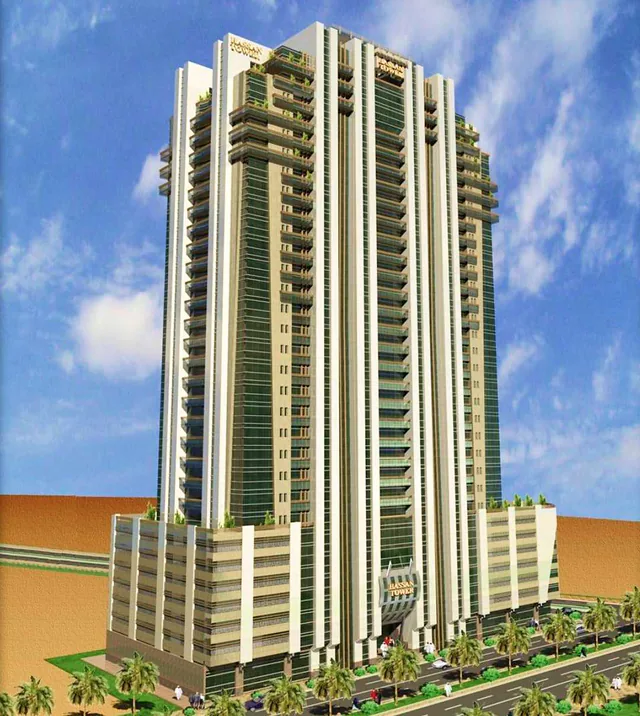
2B+G+15 residential tower, IMPZ
Dubai Production City (formerly IMPZ) · MEP · Completed
Full MEP package for a two-basement residential tower with gym.
Frequently asked questions
Which authorities approve fire sprinkler systems in Dubai South?
Approvals in Dubai South typically involve Dubai Civil Defence, UAE Fire & Life Safety Code of Practice, Dubai South authority and Dubai Electricity & Water Authority. Exact routes depend on the plot, the master developer and whether the site sits in a free zone, so we confirm the authority matrix during mobilisation and prepare submissions accordingly.
Why do sprinkler heads need to be coordinated with the ceiling?
Heads must sit at specific spacings and distances from walls, beams, diffusers and lights to discharge properly. If ceilings or MEP services shift after installation, heads may be obstructed or misaligned with tiles. Coordinated shop drawings and reflected ceiling plan checks avoid rework and inspection failures.