Ventilation & smoke extraction in Fujairah City: local context
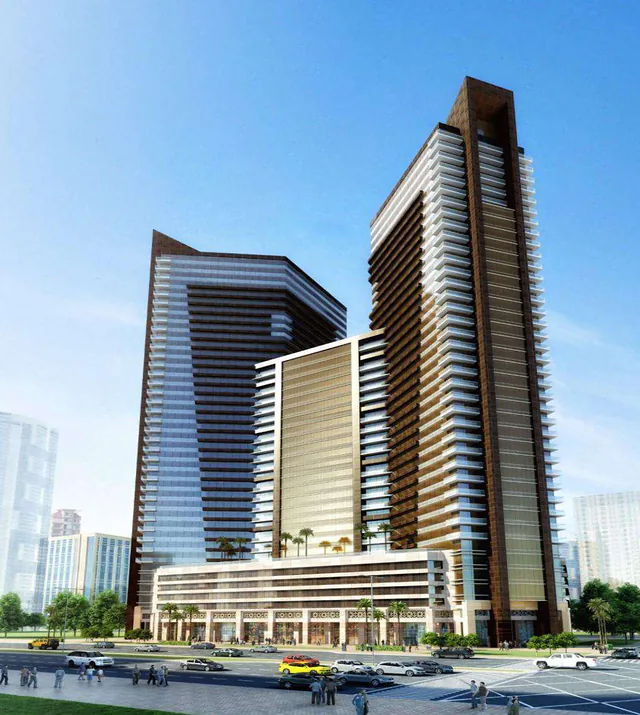
Fujairah City is the east-coast capital on the Gulf of Oman, with residential districts, hotels, government buildings and industrial areas linked to the port. The city's building stock is mostly low- and mid-rise, with apartment buildings, villas, offices and beach hotels, while industrial and storage facilities cluster towards the port and the oil terminals. Mountains rise directly behind the city, giving it a different microclimate and terrain from the west-coast emirates.
- Industrial plots near the port may face additional fire protection requirements.
- At 1.5–2 hours from Dubai across the mountains, projects need a stocked site store and staged deliveries, because a missing fitting cannot be collected from head office the same morning.
- Heavy rain events from the mountains can cause sudden runoff, so drainage and plant-room flood protection deserve attention.
Building types we serve in Fujairah City
For hotels and serviced apartments, the work concentrates on quiet guestroom fan coils, kitchen and laundry extract, hot-water generation at scale, BMS supervision and phased handover to the operator.
Approvals and authorities in Fujairah City
Smoke extraction systems in Fujairah City sits within Fujairah's regulatory framework. The authorities you will meet are:
- UAE Civil Defence (Ministry of Interior) (Civil Defence)
- UAE Fire & Life Safety Code of Practice (UAE FLSC)
- Fujairah Municipality (Fujairah Municipality)
- Etihad Water & Electricity (formerly FEWA) (Etihad WE)
- ASHRAE standards (62.1, 90.1) (ASHRAE)
Scope of work
- Installation of car park ventilation with jet fans, main extract fans and CO or NO2 sensors controlling normal ventilation.
- Smoke exhaust fans, smoke dampers and make-up air paths for atria, malls and corridors as required by the strategy.
- Fire-rated cabling and secondary power arrangements for smoke control fans so they operate during a fire.
- Interface wiring with the fire alarm system for zone-by-zone activation and fan status feedback.
Systems we install
- CO and NO2 gas detection for demand ventilation
- Automatic smoke vents and actuators at roof or high level
UAE site and climate challenges
- Rooftop smoke fans and motors are exposed to extreme heat and direct sun, so motors, enclosures and fire-rated cabling are selected for high ambient conditions as well as smoke temperature.
- Basement car parks in coastal towers can see condensation on cold surfaces when hot humid air is pulled in at high rates, so supply air paths and ramp openings are reviewed to limit wet floors and corrosion of jet fans.
- Integration with BMS for monitoring, which helps maintenance teams identify failed fans, dampers or sensors without taking life safety control away from the fire alarm system.
Relevant Manolia projects
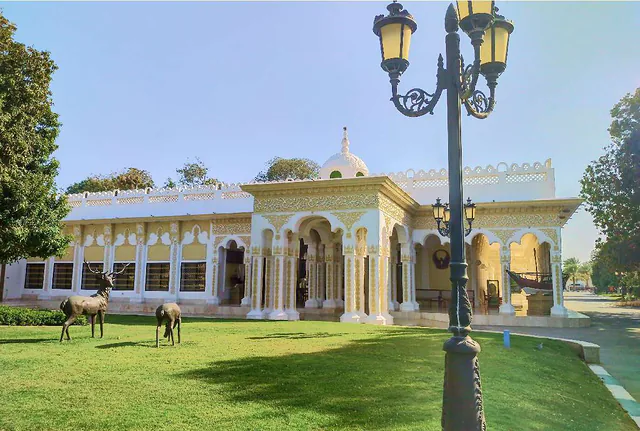
Al Bahar Palace, Abu Dhabi
Abu Dhabi · HVAC · Completed
HVAC design & installation, fresh/extract air, plus swimming-pool works.
2B+G+15 residential tower, IMPZ
Dubai Production City (formerly IMPZ) · MEP · Completed
Full MEP package for a two-basement residential tower with gym.
Frequently asked questions
Which authorities approve smoke extraction systems in Fujairah City?
Approvals in Fujairah City typically involve UAE Civil Defence (Ministry of Interior), UAE Fire & Life Safety Code of Practice, Fujairah Municipality and Etihad Water & Electricity (formerly FEWA). Exact routes depend on the plot, the master developer and whether the site sits in a free zone, so we confirm the authority matrix during mobilisation and prepare submissions accordingly.
Does Manolia work in Fujairah City?
Yes. Fujairah City is in Fujairah, around 1.5–2 hours from Dubai across the Hajar mountains. Site teams are mobilised from our Dubai headquarters with supervision, QA/QC and HSE staff assigned to each project.
How are car park jet fan systems approved?
Jet fan layouts typically require an approved design, often supported by analysis, submitted to Civil Defence with the fire strategy. After installation, Manolia carries out functional tests and cause-and-effect checks with the fire alarm, then attends witnessed tests before approval is granted.